

Portugal tightens its immigration law: what is on the table
The minority government has pushed through stricter immigration rules with support from the right. Here is what changes and why it splits the country.
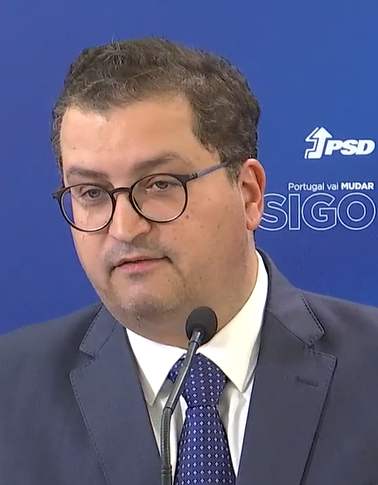
Immigration is back at the centre of Portugal’s political board. The minority government led by Luís Montenegro managed to pass a set of tighter rules for those who want to enter and settle in the country, with decisive support from the parliamentary right.
In broad strokes, the package restricts entry routes that used to be more flexible, toughens requirements for family reunification and tightens residency criteria. The government’s logic is “regulate in order to integrate better”; the critics’ is that the door is being shut on the very people the country, in practice, needs to work.
A debate that touches the real economy
Portugal is ageing, and whole sectors, from farming to hospitality and construction, depend on foreign labour. Hardening the rules without fixing the chronic processing delays could tie a knot: more demands at the door, with the administrative machine still recovering from a huge backlog.
This is where politics and bureaucracy meet. While the new rules are debated, thousands of cases are still waiting for a decision at the migration agency, a problem the government itself admits it is trying to clear.
The left-wing opposition accuses the executive of caving to pressure from Chega; the government replies that it is simply bringing order to a system that grew too fast. Either way, the topic is not leaving the agenda any time soon.
See also: AIMA’s backlog and the 525,000 decisions already made and the million foreign taxpayers in Portugal. The bills can be consulted on the Assembly of the Republic website.
Image: Wikimedia Commons