

Portugal's economy: growing above average, but with bumps along the way
The OECD and the Bank of Portugal sketch a still-robust 2026 for Portugal, despite a year that started slow on storms and pricier energy.
There’s a line that keeps cropping up in reports on Portugal this year: the economy is still growing faster than the euro-area average. True enough — but read the small print, because 2026 got off on the wrong foot.
After years of drifting above the European average, with unemployment falling and public debt easing, the country caught a run of shocks right at the start of the year. Heavy storms in January and February, followed by a sharp rise in energy prices in March and April, all but stalled growth in the first quarter.
The numbers
Even so, GDP grew 2.3% year-on-year in the first quarter, an improvement on the 2025 pace. Forecasts point to real growth around 1.8% this year and 1.7% in 2027 — nothing spectacular, but above what’s expected for the euro area over the same stretch.
There’s more good news on the public accounts. Public debt fell below 90% of GDP in 2025 and should keep falling, even as the budget surplus gives way to a small deficit in 2026, with the state spending more to cushion the slowdown.
What to watch
The tender spot is inflation, which rose again on fuel, and a weaker external trade balance. Goods exports, mind you, still grew more than 10% in the year to March, which keeps the boat steady.
In short: solid growth, no euphoria, with energy and the external backdrop as the main clouds on the horizon.
See also: how Portugal’s cost of living is holding up. The full report is available from the OECD.
By Beatriz Mota
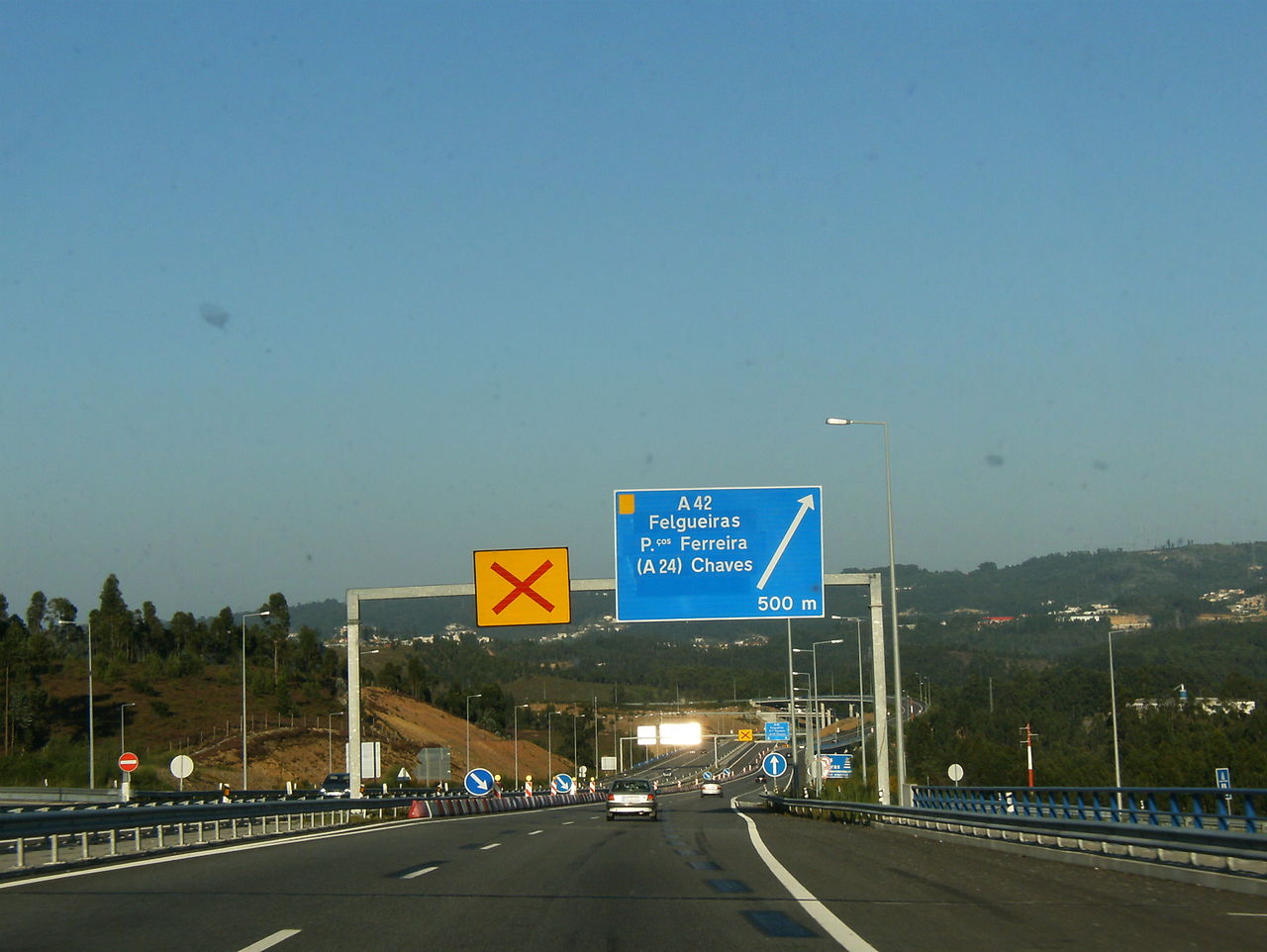
Image: Agência Lusa / Wikimedia Commons (CC BY 3.0)