
112 operators on strike: what changes when you call for help
Portugal's Civil Protection emergency call operators have walked out over the lack of a dedicated career path. Here is what to expect if you need help.
When you dial 112, you expect someone to answer within seconds. This week, that someone is protesting. Civil Protection’s emergency telecommunications operators have begun a week-long strike, demanding something that sounds simple but that they still do not have: a dedicated professional career path, with progression and recognition that matches the job.
They are the ones who pick up when there is a crash, a fire or someone collapsing. Triage, dispatch, a steady voice on the line while guiding a panicking caller. Their case is blunt: they do critical work, often under enormous pressure, without a status that reflects it.
What if I need help during the strike?
Minimum services are set by law precisely so emergencies keep being answered. In other words, 112 does not shut down. What can happen is a little delay at peak moments, with fewer operators on shift.
The practical advice does not change: in an emergency, call 112 and stay on the line. For non-urgent matters, keep the emergency line free and use each service’s own channels.
The government says it is open to talks. Unions reply that they have heard promises before. In the middle sits a reminder that applies to the whole country: the rescue machine runs on people, and those people are asking for conditions.
This walkout lands ahead of a summer that already looks demanding for civil protection, with the heat pushing risk up on the ground.
See also: Wildfire risk rises with this summer’s heat. Official updates at Proteção Civil.
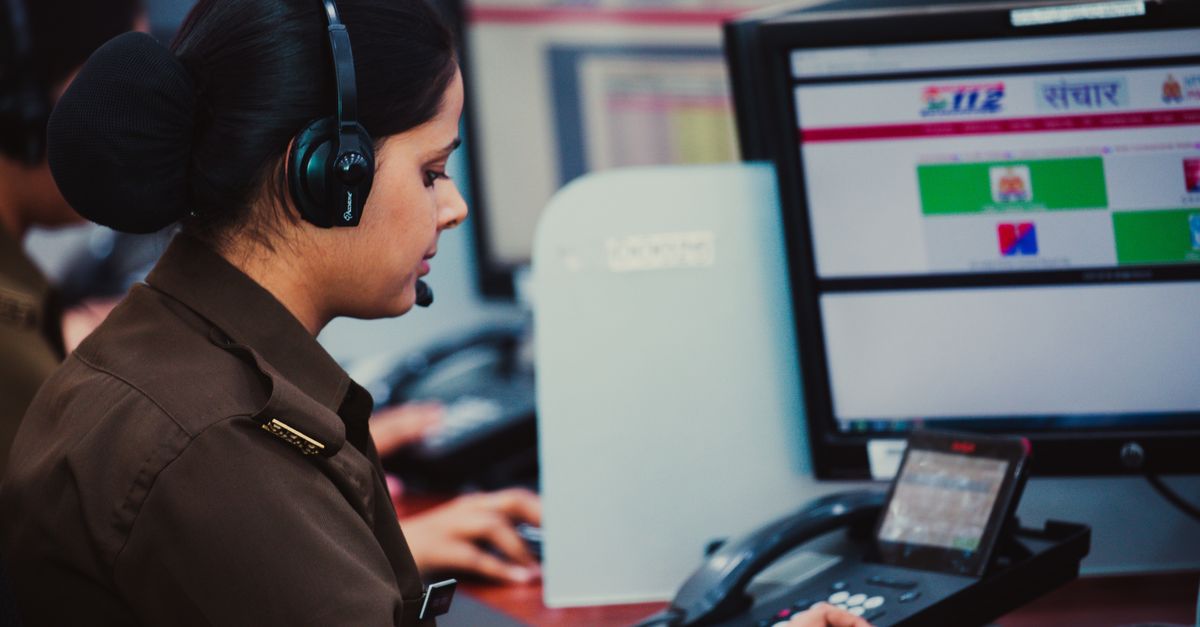
Illustrative · Photo: 112 Uttar Pradesh / Pexels