
Fuel and groceries push prices up: Portugal's cost of living in 2026
Inflation picked up again in 2026, driven by fuel and a supermarket bill that stubbornly refuses to fall. What's rising and why.
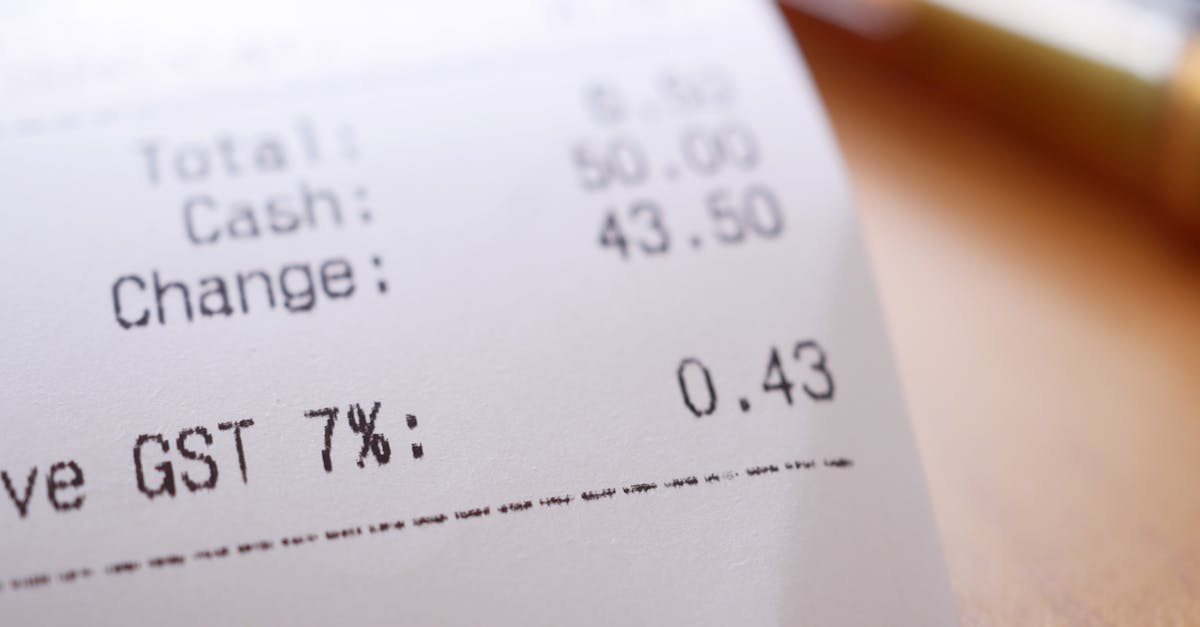
If you’ve been squinting at your supermarket receipt lately, you’re not imagining it. After a few calmer months, inflation in Portugal picked up speed again in 2026, and the sting lands exactly where it hurts most: the fuel tank and the shopping trolley.
The numbers tell the story. Year-on-year prices rose by around 3.3% in the spring, well above where they sat late last year. The main culprit was fuel, which jumped between March and April after a winter of storms and pricier energy. Food, meanwhile, never quite cooled off.
What’s driving it
Petrol and diesel are the visible engine of the rise, but there’s a more stubborn undercurrent. Core inflation, which strips out volatile items like energy and fresh food, was running near 2.1% — a sign the pressure isn’t just a passing spike at the pump.
The better news is that economists don’t expect this to settle in. Forecasts point to average inflation around 3% this year, easing past 2.3% in 2027 as energy stabilises. Jobs remain strong and unemployment near 6%, which helps households absorb the hit.
What to do about it
For anyone running a tight budget, the advice is familiar but still holds: compare prices, fill up on the cheaper days, and keep an eye on the promotions that have come roaring back. Not glamorous, but it adds up by month’s end.
See also: the outlook for Portugal’s economy in 2026. The latest official data is at the Banco de Portugal.
Illustrative · Photo: Pexels