
Oil on alert: the strait that moves the price of petrol
Tension around the Strait of Hormuz is pressuring crude again and threatening what you pay to fill the tank.
There is a narrow stretch of sea with the power to push up what you pay at the pump. It is the Strait of Hormuz, the passage through which a huge slice of the world’s oil flows. With Middle East tension heating up, fears of disruption on that route are back, and crude has reacted by rising. When the barrel climbs, the rest of the chain follows.
From the barrel to the tank
Portugal does not produce oil, it imports almost all of it. So what happens thousands of kilometres away reaches the fuel sold here fast. Pricier crude pushes petrol and diesel up, and the effect does not stop at the car: freight, farming and industry feel it too, and part of that ends up reflected in consumer prices.
Why the ECB is watching
It is no coincidence that the European Central Bank cited energy when it raised rates. Expensive fuel feeds inflation, and inflation is exactly what central banks try to tame. It is a cycle: geopolitical tension, costlier energy, rising prices, rates reacting.
For now, it is worth following developments week by week, without panic. Straits like Hormuz have spooked markets many times without the worst materialising, but the market prefers to hedge.
See also: the ECB raising rates and US inflation rattling markets.
Context on energy’s impact on monetary policy at the European Central Bank.
By Beatriz Mota
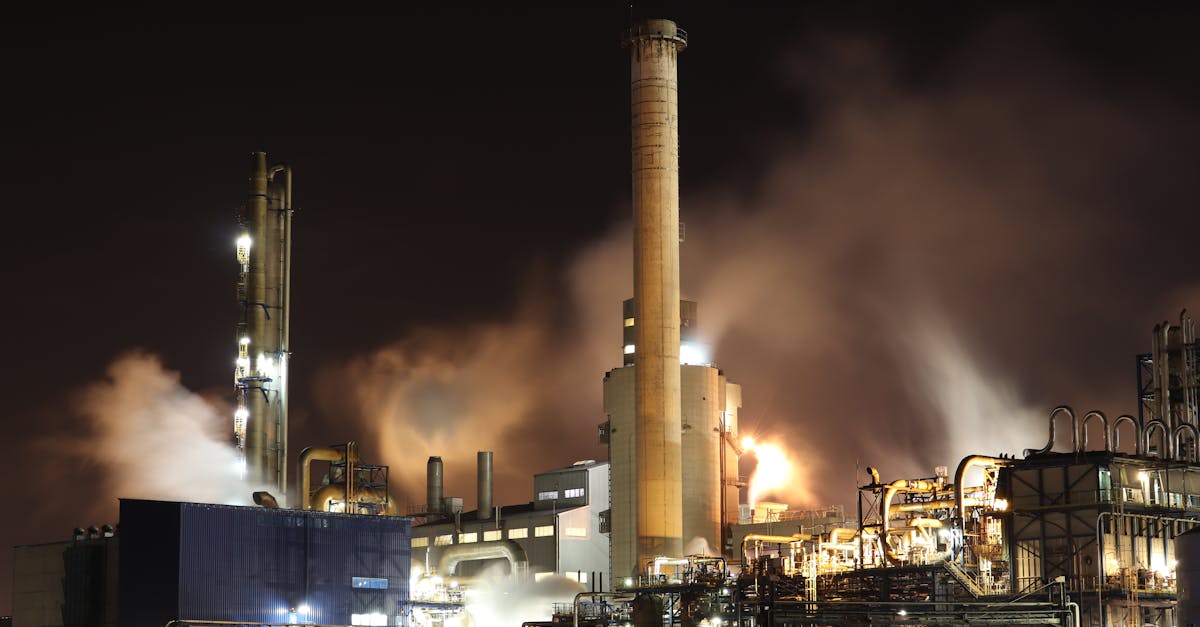
Illustrative · Photo: Loïc Manegarium / Pexels