Portugal elected to the UN Security Council: what it means
For the fourth time, Portugal will take a seat at the UN's top table. It was the most-voted country, ahead of Germany and Austria, for the 2027-2028 term.
Amid so much other news, there’s a Portuguese diplomatic win worth underlining: Portugal has been elected a non-permanent member of the UN Security Council for the 2027-2028 term. And it wasn’t a squeaker — it was the most-voted country in its race.
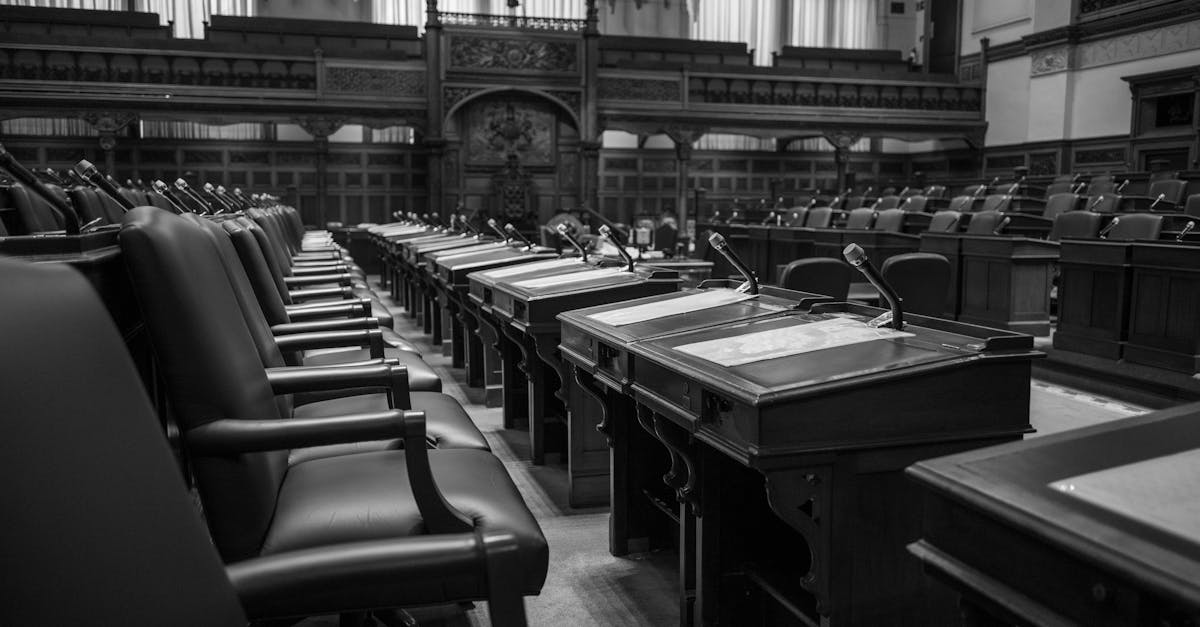
A quick recap for anyone who missed it. The Security Council is the most powerful body in the UN, the one that decides on peace, sanctions and peacekeeping operations around the world. It has five permanent members with veto power (the United States, China, Russia, the United Kingdom and France) and ten rotating seats, elected for two-year terms. It’s one of those ten seats that Portugal has won.
The vote took place on June 3 in New York, at the 80th General Assembly. Portugal was contesting two Western European slots with Germany and Austria, and came out on top: it gathered 134 votes, against Vienna’s 131 and Berlin’s mere 104. Being the most-voted of a trio that included Germany is no small thing, and says something about how the country is seen on the international stage.
It’s not a first. Portugal had already held one of these seats in 1979-1980, 1997-1998 and 2011-2012, making this the fourth time. The bid rested on the motto “Prevention, Partnership, Protection”, a way of signalling the kind of role the country says it wants to play: bridge-builder and champion of dialogue, rather than a power player.
In practice, the term only begins on January 1, 2027 and runs for two years. What changes? During that period, Portugal will have a voice and a vote in the big decisions on international security, at a time when the world is hardly at peace. It’s an added responsibility, but also a showcase: a chance for a small country to be heard where big things are decided. And in a moment this globally tense, that’s a seat worth occupying with steady hands.
Image: Wikimedia Commons