Iran strikes US bases in the Gulf and the ceasefire hangs by a thread
Tehran launched missiles and drones at American facilities in Kuwait and Bahrain in response to US strikes. The region is holding its breath.
Sunday’s early hours brought the Persian Gulf the scenario everyone had been dreading. Hours after the United States struck five coastal sites in Iran, Tehran answered with ballistic missiles and drones aimed at two of the largest American military footprints in the region.
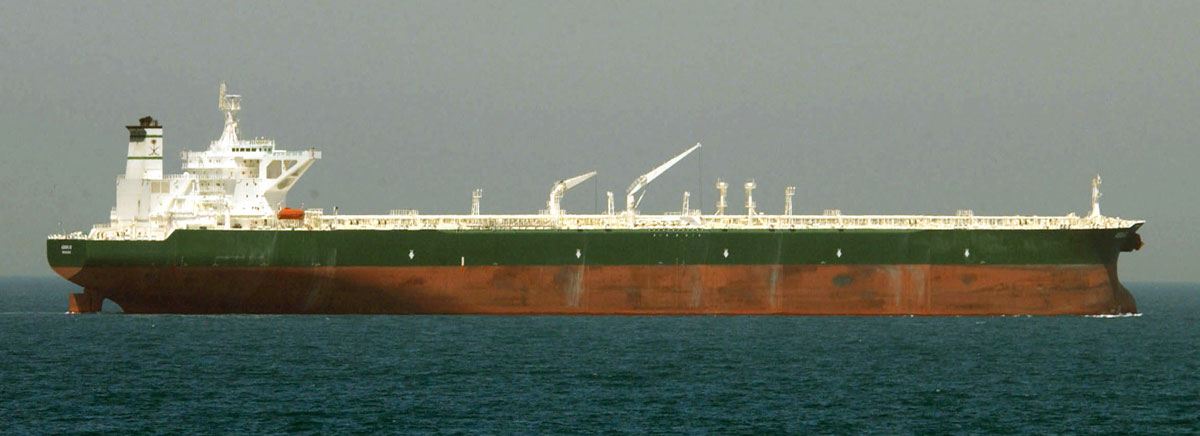
The targets were the Ali Al Salem air base in Kuwait and the headquarters of the US Fifth Fleet in Bahrain. Iran’s Revolutionary Guard claims it destroyed several pieces of infrastructure; Washington frames the earlier strikes as retaliation for an alleged attack on a ship in the Strait of Hormuz.
A ceasefire coming apart
There is a ceasefire memorandum between the two sides, but right now it looks more like paper than reality. Each blames the other for breaking it first, and trust has evaporated. Caught in the middle are the neighbours: the UAE firmly condemned the strikes on Bahrain and Kuwait as a clear violation of the sovereignty of two Gulf states.
Diplomacy has not given up. Egypt and Qatar again stressed the importance of keeping talks alive between Washington and Tehran, with contacts between their foreign ministers.
For Portugal, the impact is felt mostly in the wallet. The Strait of Hormuz is one of the arteries through which much of the world’s oil flows, and any spark there moves the fuel prices we pay at the weekend. The barrel has already been on a rollercoaster over recent weeks because of this crisis.
For now, the usual caution applies: check before you panic. The picture changes by the hour, and not everything circulating on social media survives a second read.
See also: Ship hit in the Strait of Hormuz. Follow international coverage via UN News.
Imagem: Wikimedia Commons