US and Iran: the ceasefire nobody can guarantee
With strikes on both sides, diplomacy is trying to hold a fragile ceasefire. Egypt and Qatar push for talks; Gulf states condemn the escalation.
Some ceasefires exist more on paper than on the ground, and the understanding between the United States and Iran looks like one of them. After a night of crossfire in the Gulf, the big political question is simple: is there still a deal to save?
There is a memorandum, with fourteen points, that was meant to end the hostilities. But Washington accuses Tehran of repeatedly violating it, and Iran’s Revolutionary Guard returns the charge, saying it was the Americans who broke the terms. When both sides say the other started it, the understanding hangs by a thread.
The neighbours in the middle
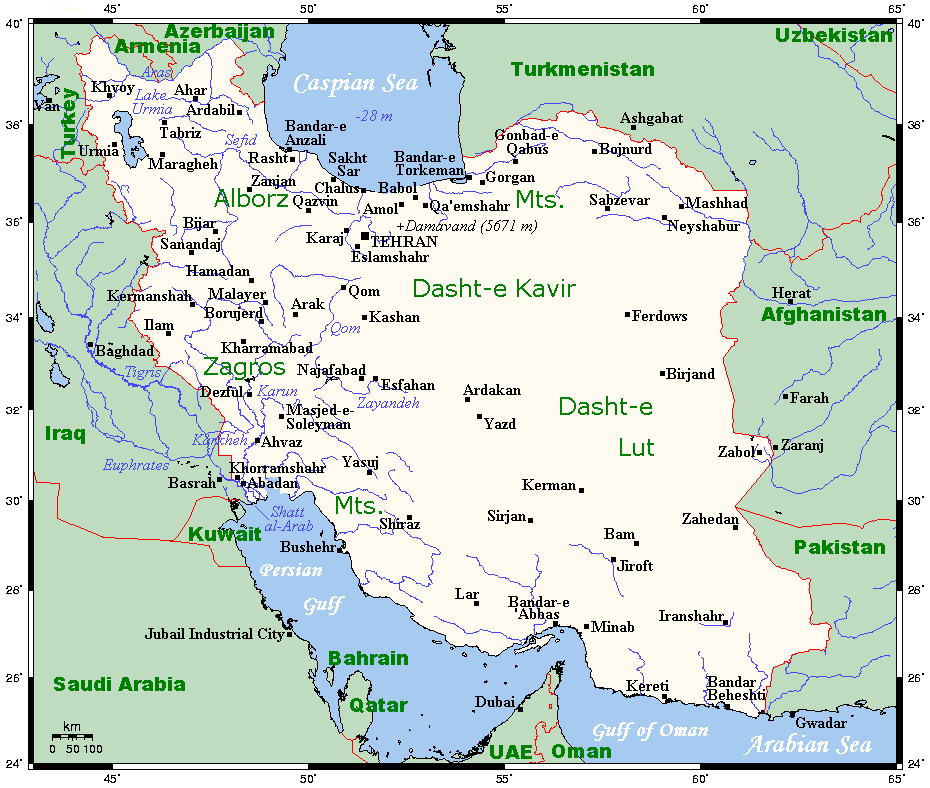
The escalation rattles the Gulf states, who did not ask to be part of this. The United Arab Emirates firmly condemned the Iranian strikes on Bahrain and Kuwait, seeing them as a threat to the security of the whole region. Egypt and Qatar, for their part, prefer dialogue and again urged that talks between Washington and Tehran not die.
For Europe, and for Portugal, the issue is followed closely for one very concrete reason: stability in the Gulf moves energy and prices. A drawn-out crisis there is felt at the fuel pumps here.
For now, diplomacy is racing the clock, with the region hoping reason speaks louder than missiles.
See also: Iran strikes US bases in the Gulf. Follow it via UN News.
Imagem: Wikimedia Commons