
Portugal has widened who can receive cultural patronage. Solo artists are now on the list
Decree-Law 167/2026 came into force on Tuesday. Cultural donations now count at 140% against corporate tax, two new cultural titles are created, and every application will eventually run through a national platform that has not been built yet.
The rewrite of Portugal’s cultural patronage regime took effect on Tuesday, and the change that matters most to people working in culture is not the tax rate. It is the door. Decree-Law 167/2026 creates a cultural initiative title that an individual can apply for, not only an institution. A theatre director, a photographer or a video game author registered with the tax authority, keeping organised accounts and trading under the listed artistic activity codes can now apply, and then take corporate donations the way a municipal theatre does.
Two titles, not one
The cultural body title runs for five years and is aimed at theatres, museums, libraries, historical archives, cultural cooperatives and heritage foundations. The cultural initiative title attaches to a specific project, lasts for whatever period the recognising order sets, and is the one that opens up to individuals. Either way, recognition depends on an order from the culture minister after an opinion from the culture ministry’s strategy and evaluation office.
One shortcut is worth knowing. Anyone who has received public funding from a culture ministry body in the last three years, or has had at least one application accepted for that funding, skips the order entirely.
What changes for the company writing the cheque
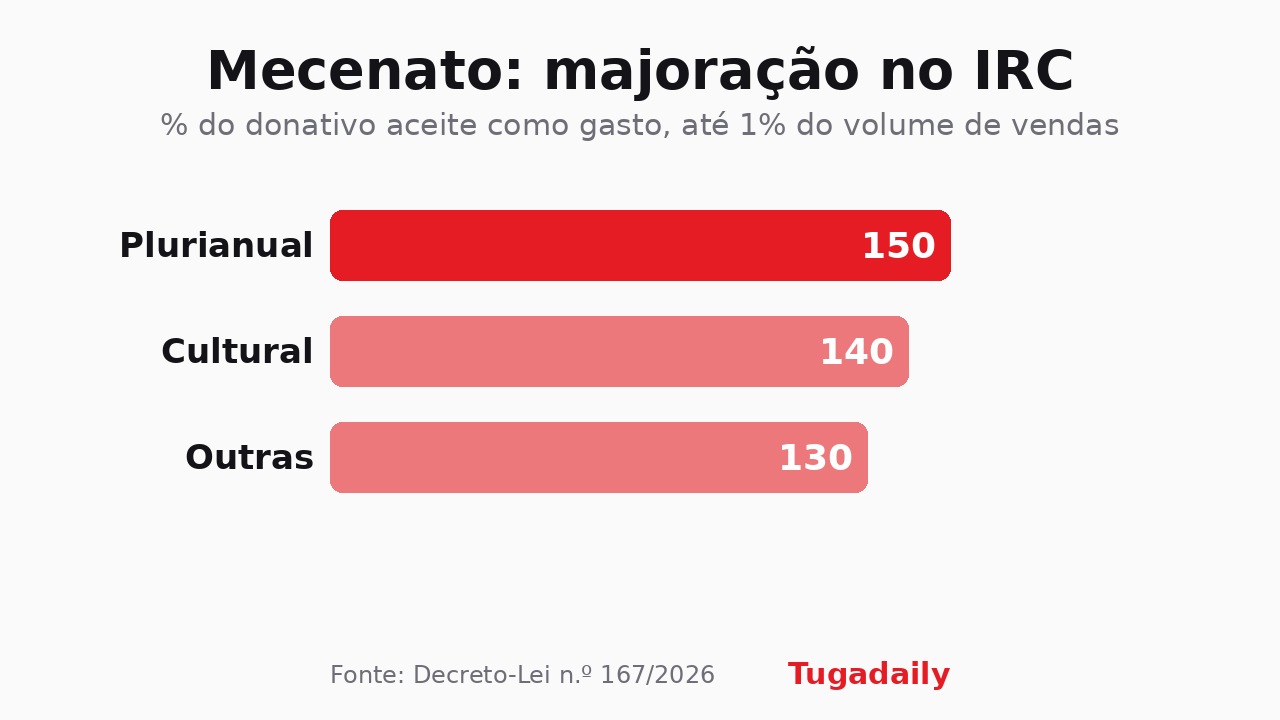
The numbers went up. A cultural donation now counts as a cost at 140% of its value against corporate tax or category B personal income tax, and rises to 150% when it is made under a multi-year contract that sets targets for the recipient. The ceiling is now single and global: everything a company gives, cultural or otherwise, cannot exceed 1% of its sales or services turnover for the year.
The decree also tightens what a donor may get back, so that a donation stays a donation. Benefits in kind cannot be worth more than 5% of what was given that year, and the donor’s name may be attached to the initiative, but with no reference to brands, products or services, and always in a secondary position.
The eligible list is broader than you would guess
Alongside the obvious, it covers fashion and design, folklore and craft, digital and multimedia art, and video game publishing. A project that fits none of the listed areas can still be admitted by a reasoned joint order from the finance and culture ministers where there is a relevant public interest.
The central piece is still missing. The National Patronage Platform, where applications will be filed and where every beneficiary must be registered, does not exist yet: until it does, applications go to the same office, and the technical specification is left to a future ministerial order. The public list of beneficiaries will be published on the tax portal by 31 December each year. It lands in a week when other laws took effect with immediate consequences for company accounts.
Chart: Tugadaily · data from Decree-Law 167/2026