

Property took 46% of Portugal's foreign investment, and it has never weighed this much
Almost half the foreign direct investment that entered Portugal in 2025 went into real estate — the highest share in roughly 17 years, led by hotels, offices and data centres.
Forty-six per cent. That is the slice of foreign direct investment entering Portugal in 2025 that ended up in real estate deals — almost half of everything, and the heaviest weight in at least 17 years.
How much foreign investment went into Portuguese property?
Total FDI in 2025 came to 8.5 billion euros, well down on the 13.1 billion of the year before. Within investment into the equity of Portuguese entities, which totalled 11.9 billion, 3.9 billion went to property. So: less money arrived from abroad than in 2024, but the portion of it that chose bricks has never been so dominant.
Both halves of that are worth holding. A record share for property is a good sign for anyone building and selling, and a mixed one for the rest of the economy — it means foreign capital is picking assets with a guaranteed yield over factories, labs or software.
What kind of property is the foreign money buying?
Fewer apartments than you would guess. The bulk goes into income-producing assets: hotels, office buildings, shopping centres, industrial parks and, increasingly, data centres — a category that went from footnote to headline act in a handful of years, pushed by Europe’s hunger for computing capacity.
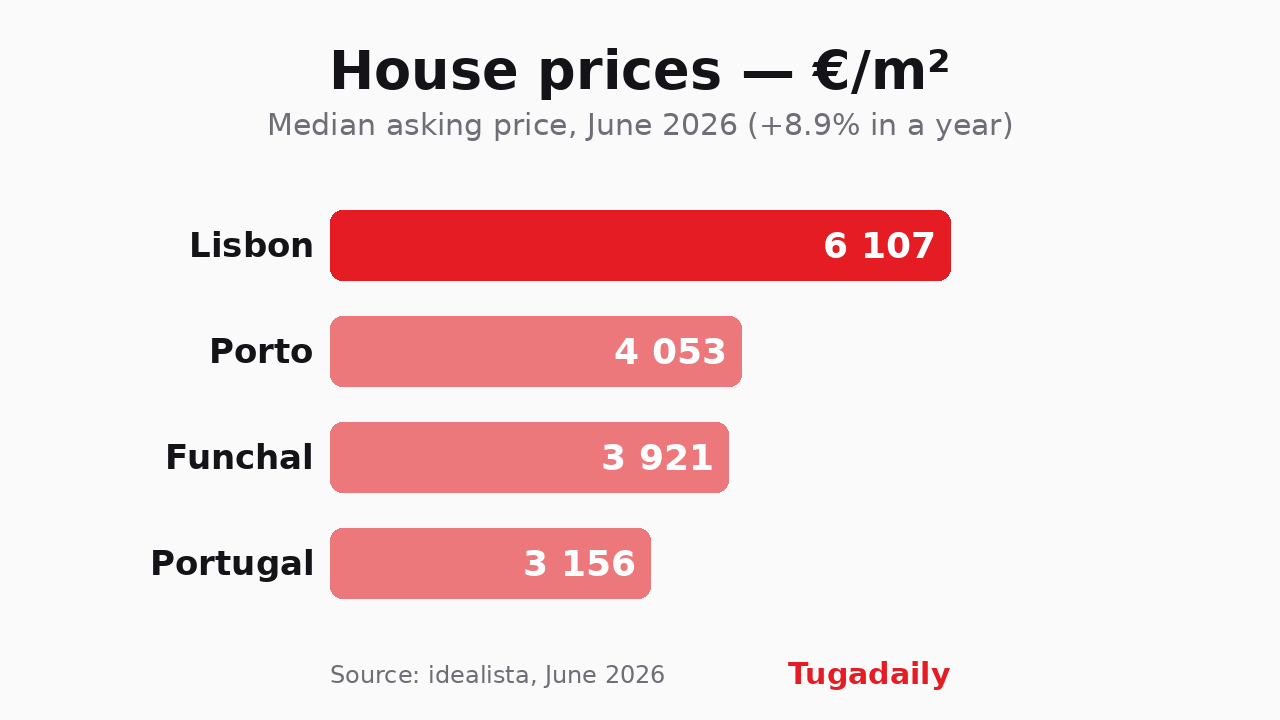
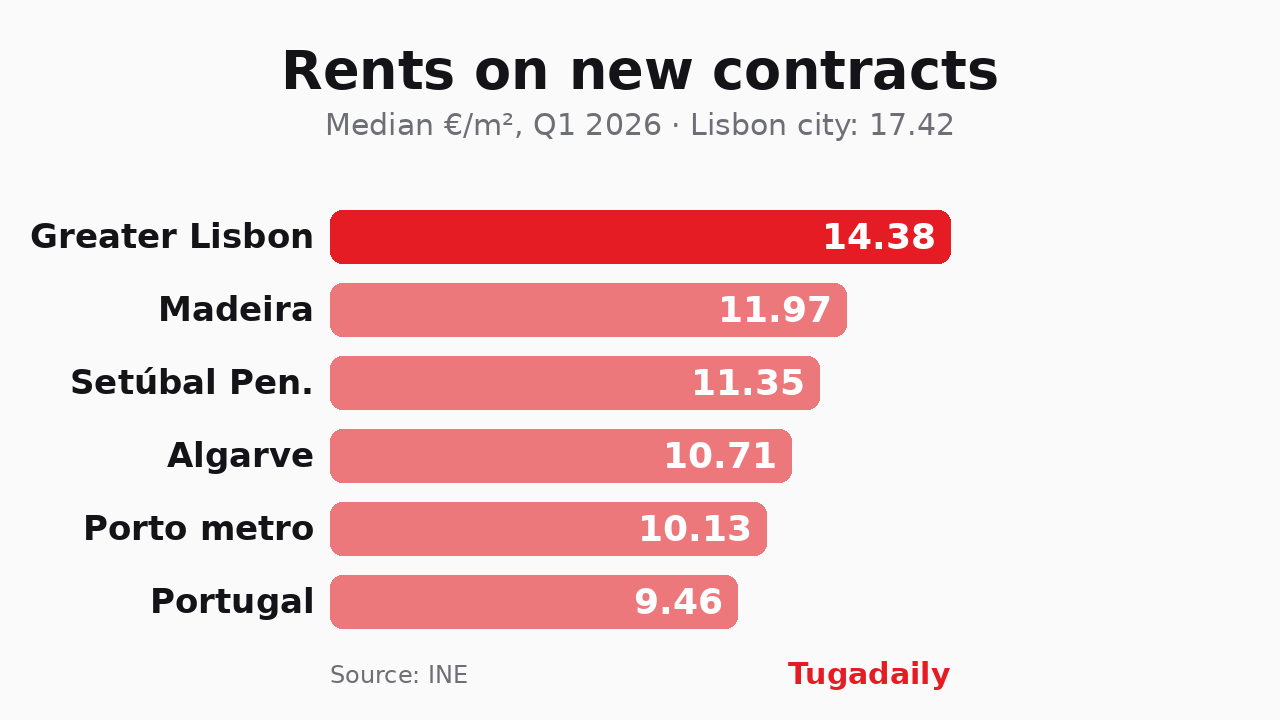
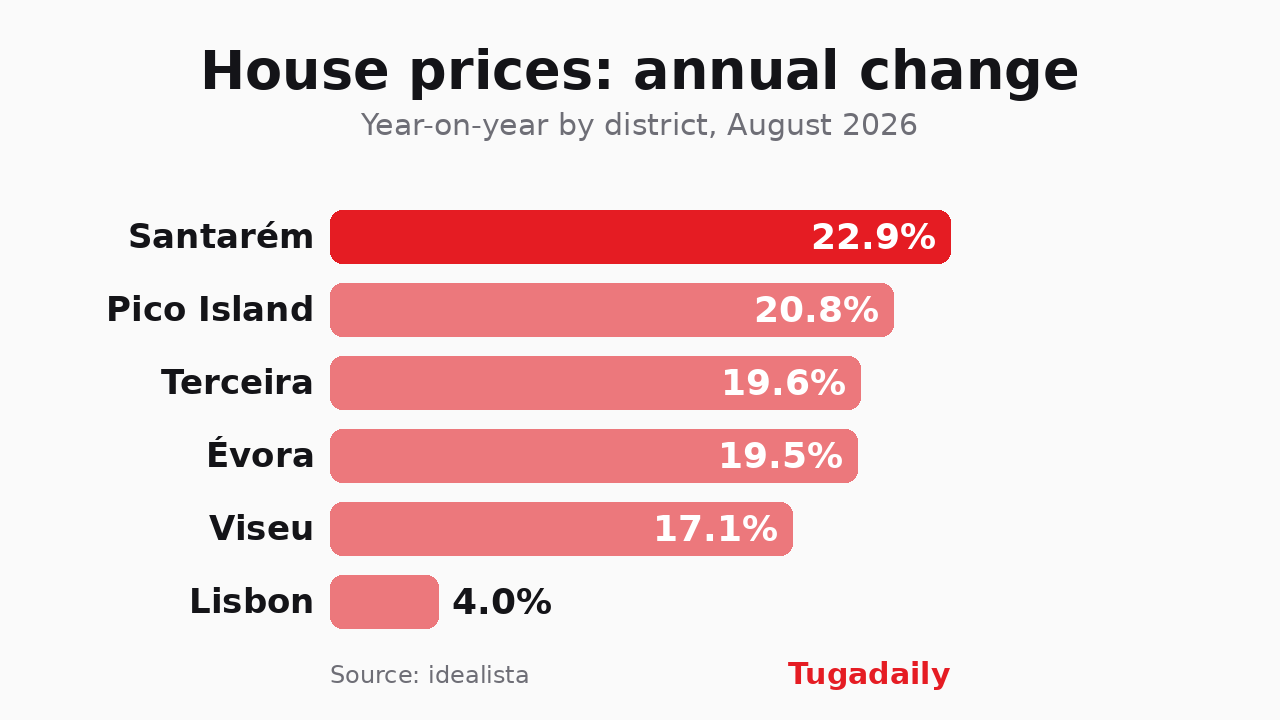
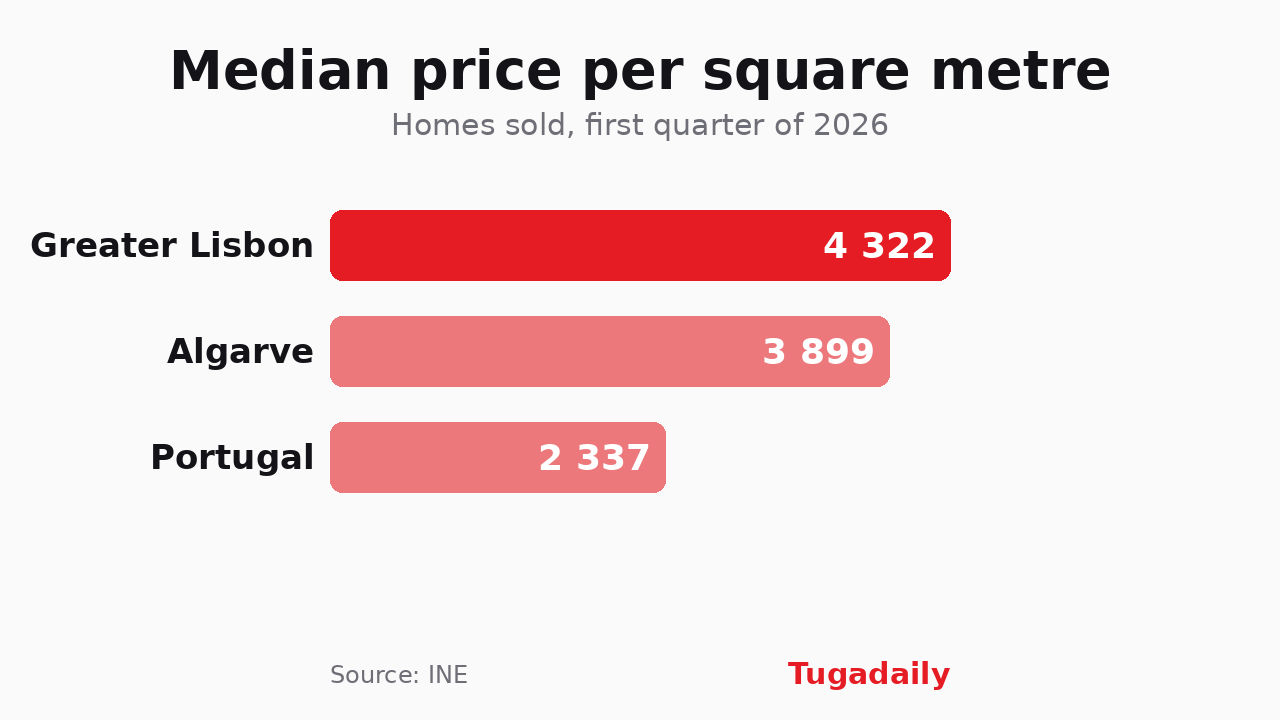
Which is why this figure and the Portugal’s push to host new data centres tell complementary stories: one counts the sites the country is preparing, the other counts where the money actually landed. For anyone house-hunting, the effect is indirect but real — foreign capital concentrated in urban assets helps keep pressure on prices and rents, which is the conversation our house-price tracker has month by month. Direct investment statistics are published by the Bank of Portugal.
Image: DiogoBaptista / Wikimedia Commons (CC BY-SA 4.0)