AI changes its tune: from "spend at all costs" to showing results
After months of burning cash, companies are demanding returns. OpenAI and Anthropic head for the markets in a much tougher mood.
For a good two years, the rule in the world of artificial intelligence was simple: spend without looking at the bill. More models, more chips, more data centres, on the belief that whoever got biggest would get there first. That mood has started to turn.
Last week’s news all points the same way. Corporate customers have stopped signing blank cheques and started asking the boring old question: does this pay off? The shift has a name — instead of “tokenmaxxing”, spending with abandon, the talk now is of efficiency, of doing more with less.
Markets at the door
The timing isn’t innocent. Both OpenAI and Anthropic have filed confidentially to go public, and a debut like that demands numbers that convince investors, not just promises. Anthropic is reported to have hit an annualised revenue run rate of around $47 billion, a huge jump on last year — but the market wants to see profit on the horizon, not only growth.
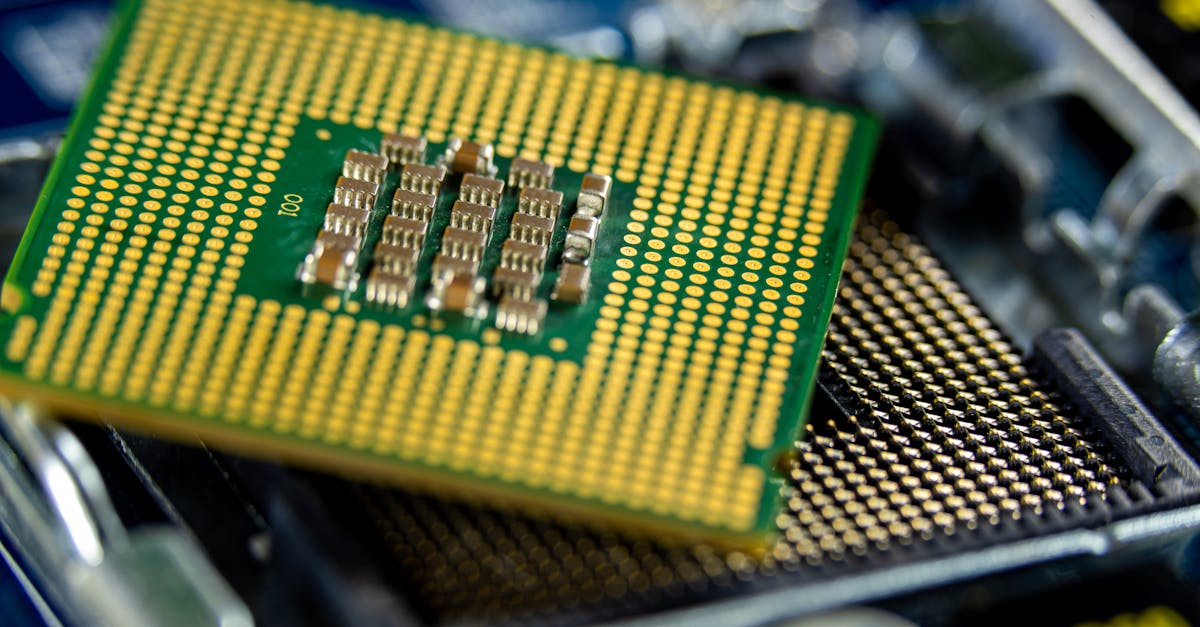
Meanwhile, the chip war rolls on. OpenAI teamed up with Broadcom to design its own processor, and almost everyone — Google, Meta, Apple — is racing for custom silicon to escape Nvidia’s steep bill.
Why does this matter from Portugal? Because it sets the price and speed of the tools we already use at work and at school. A race more focused on efficiency usually means cheaper, better-built products for the end user.
See also: the race to Anthropic’s IPO and Siri with outside models. More detail on Anthropic’s official blog.
Imagem: Wikimedia Commons