Why your gadgets suddenly got more expensive
Laptops, consoles, phones: blame a component nobody ever sees. Here's the memory crunch explained, no drama and no jargon.
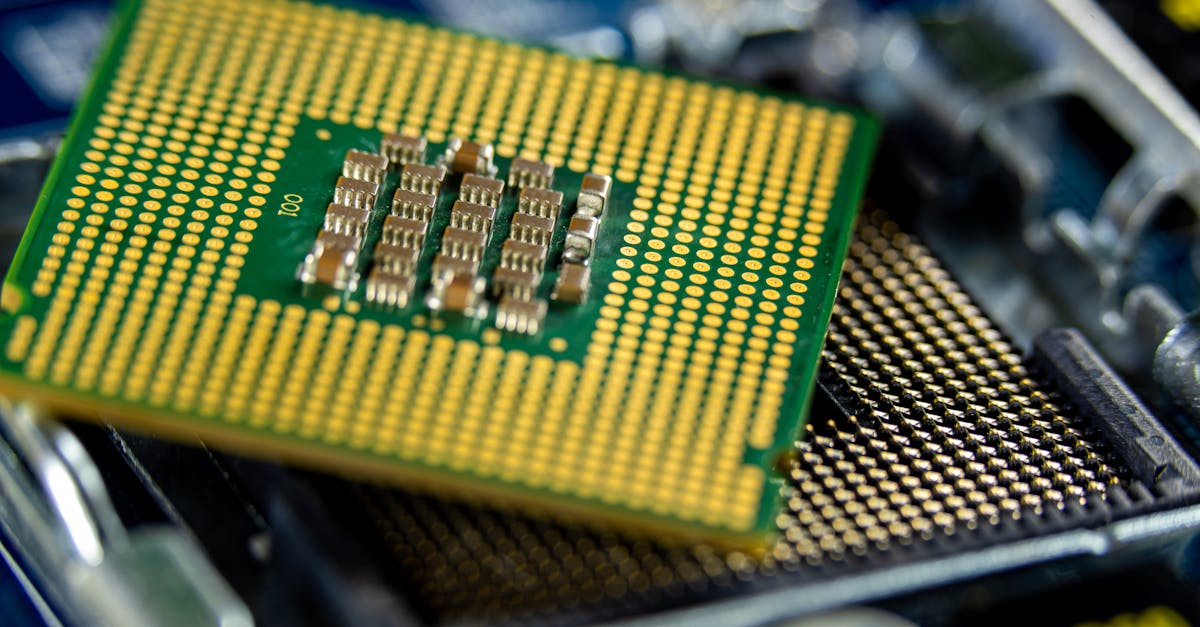
If you’ve been eyeing a new laptop and it seems to have quietly gained a few euros overnight, it’s not your imagination. A silent crunch is pushing prices up, and the culprit is a fingernail-sized part living inside the device: memory.
Memory, in two words
Every gadget needs memory. There’s DRAM, the “workbench” where the device juggles things while it’s switched on, and NAND, the “drawer” where your photos and apps are stored. More memory means a faster, roomier device — and a more expensive one to build.
The trouble is that the price of these chips has quadrupled since 2025. The factories that make them have pivoted to a special, far more profitable type — HBM, the memory that feeds AI data centres. The result: little is left over for everyday laptops, consoles and phones, and what’s left has gone pricey.
Where you’ll already feel it
Apple raised several models, some by as much as $300 — a top MacBook Pro now costs $1,999 instead of $1,699. Microsoft warned Xbox consoles will be $100 to $150 dearer from August. And this is just the start: anyone who builds practically anything with a chip inside is feeling the same squeeze.
Worth waiting?
Honestly, nobody has a crystal ball. But the logic says that as long as AI stays hungry for memory, the pressure holds. If your current device still copes, stretching it a few more months might pay off. And if you’re definitely buying, compare the configurations carefully — sometimes paying a little less for a little less storage is the difference between last year’s price and this year’s.
Illustrative · Photo: Akaaljotsingh Anandpuria / Pexels