

Who signs off Portugal's 13.7% REN stake? The Court of Auditors, and it rarely gets asked
Pontegadea and state holding company Parpública have signed for 91,723,676 REN shares, but the deal only takes effect once the Court of Auditors grants prior approval — a step seldom used for share purchases by state entities. The market filing carried no price; the figure since put on it is about €380 million, a premium of roughly 17%.
There is a contract, and the deal has not actually happened yet. Pontegadea Inversiones, the investment vehicle of Zara’s founder, has agreed to transfer 91,723,676 REN shares — about 13.7% of the company — to the state holding company Parpública, according to the filing REN sent to the market on 14 August. Everything waits on the Court of Auditors granting prior approval, and it is the filing itself that says so.
At the €3.54 closing price on the Friday before the announcement, the stake was worth roughly €325 million. The filing carried no price for the deal, but a figure has since been put on it this Wednesday: around €380 million, or about €4.14 a share — a premium of roughly 17% over the market. This is the company’s second largest holding, and blocks that size rarely change hands at the screen price.
Why an auditing court is involved at all
Prior approval, or visto prévio, is the mechanism by which Portugal’s Court of Auditors checks, before public money leaves the building, that an act creating public expenditure is lawful and properly budgeted. Without the visto, the contract has no financial effect.
The detail worth holding onto is that the request is unusual. State-owned entities buying shares have rarely put the transaction through prior approval, which makes this one worth following for the route it chose as much as for what it costs. The court has already opened the file.
Back into a company the state sold
REN operates Portugal’s electricity and natural gas transmission networks and carries responsibility for security of supply and for planning grid investment. The state left its capital in 2014, at the end of the privatisation run by the PSD/CDS-PP government of Pedro Passos Coelho. It returns twelve years later, on the argument that a public presence in a regulated monopoly helps hold energy prices down.
That argument is not universally accepted. In parliament, Iniciativa Liberal wants the finance minister to appear and explain the deal, while the PCP — no friend of privatisation — says a great deal remains unexplained and that a minority stake guarantees no public control. The prime minister has promised scrutiny and transparency over the whole process.
We covered the transaction on the day Zara’s founder agreed to sell, and the wider idea behind it — a sovereign fund holding stakes in regulated companies — was floated by Montenegro back in June.
By Beatriz Mota
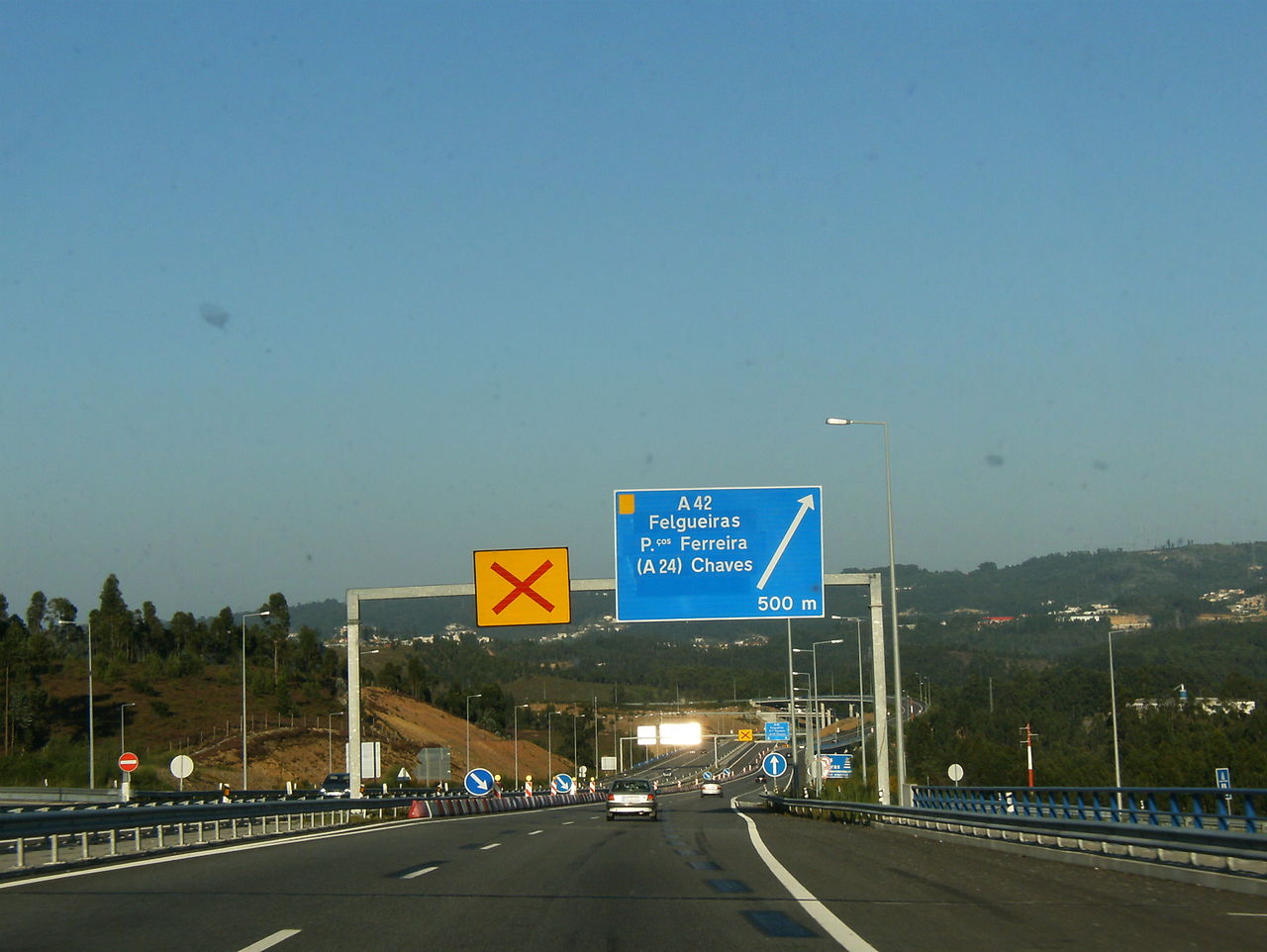
Photo: Fernando Moital / Wikimedia Commons (CC BY 2.0)