

Zara's owner sold out of Portugal's power grid. The state stepped in
Pontegadea, Amancio Ortega's holding company, has agreed to sell 91,723,676 REN shares to Parpública, or 13.7% of the capital. The deal needs Court of Auditors clearance and no price was disclosed.
Twelve years after selling out of REN, the Portuguese state is back in. Pontegadea Inversiones, Amancio Ortega’s holding company, has signed a contract with state holding company Parpública to sell 91,723,676 REN shares, equal to 13.7% of the capital. The deal was announced to the market on 14 August and is conditional on clearance from the Court of Auditors. Neither side disclosed a price.
Pontegadea was the second-largest shareholder in the operator of Portugal’s electricity and gas transmission networks, behind China’s State Grid. It exits entirely.
The government’s case
Luís Montenegro justified the purchase as protecting the national interest in critical infrastructure, and moved quickly to shut down the more ambitious reading: “We are not doing this to renationalise.” The stated aim is a seat at the table on investment and strategic decisions, in a sector where the price of energy is a permanent political subject.
He also presented it as an investment with a return. REN has paid shareholders dividends of around 4.5% a year, above the rate at which the state borrows — a spread that, on paper, funds the deal. And he placed the purchase inside the sovereign fund his government is preparing, designed to take stakes in companies deemed strategic.
What has not been explained
The price, to start with. Without a disclosed figure there is no way to judge whether the state bought well, and the share price on the day of the agreement is the only reference point available. The Socialist opposition has already asked how the government went about acquiring the stake.
Nor is it clear how this sits alongside State Grid’s holding, or how much weight Parpública will carry over investment decisions at a regulated company where the return is set by the regulator rather than the shareholder. REN publishes its filings on its CMVM announcements page.
The deal lands at a moment when the Portuguese grid has been generating better headlines: in July, solar was the country’s largest source of electricity for the first time, on REN’s own numbers. It also joins another file where the state is shaping a large company’s shareholder structure, the TAP privatisation and the binding bids from Air France-KLM and Lufthansa.
By Beatriz Mota
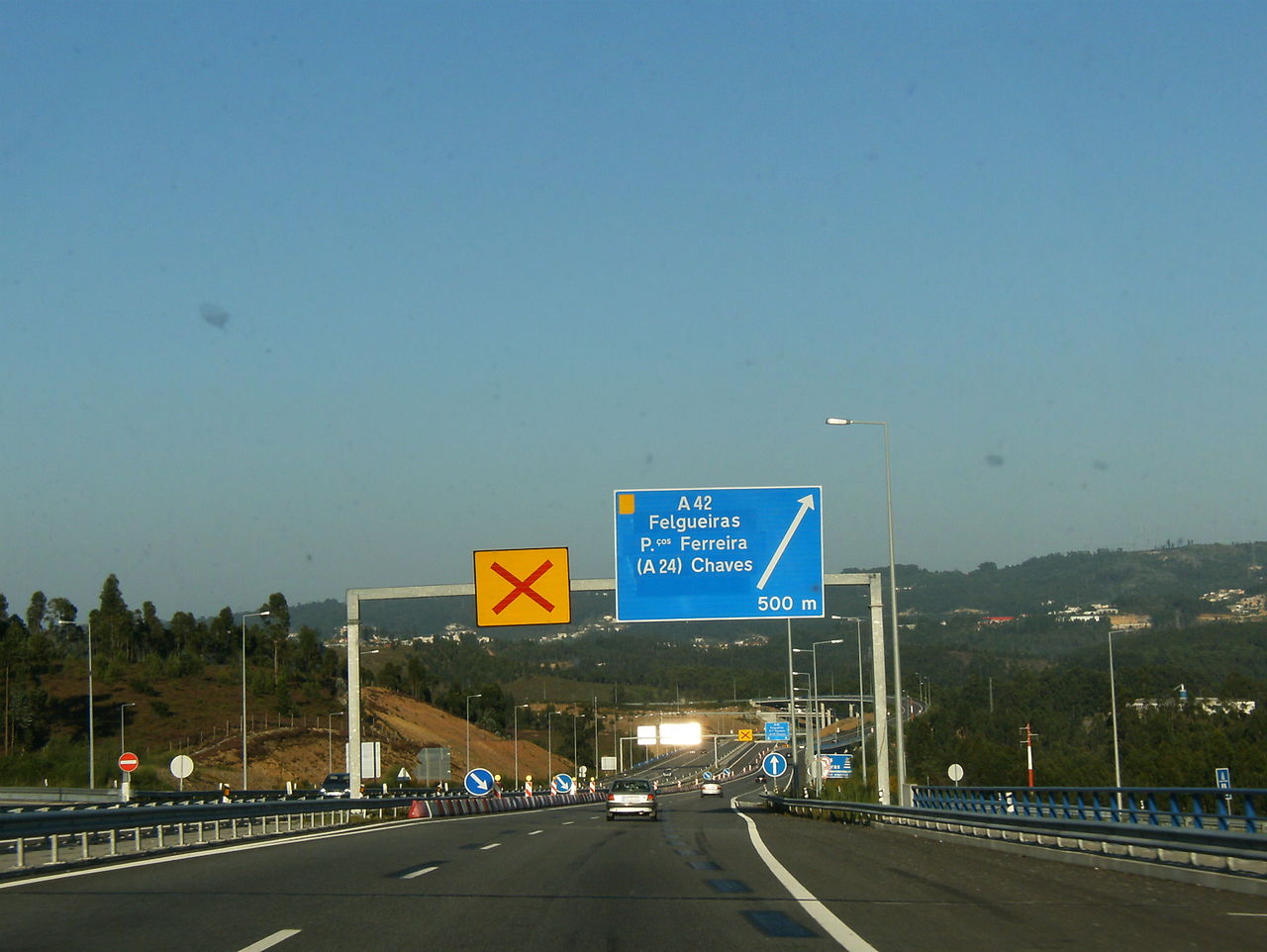
Image: Fernando Moital / Wikimedia Commons (CC BY 2.0)