Tugadaily
PT
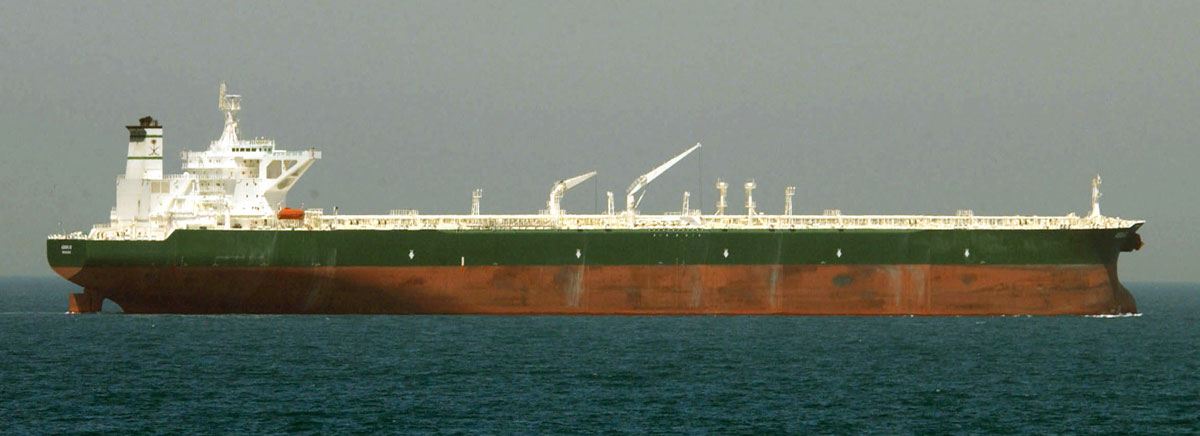
An oil tanker sailing in open water
News 29 June 2026

The Strait of Hormuz breathes again: tankers return and the ceasefire holds

Despite weekend strikes, ships are crossing Hormuz once more and Gulf exports are recovering. Crude fell to its lowest price of the year.

After a weekend of nerves, with missiles falling on Kuwait and Bahrain, the news that matters most to your wallet is the quieter one: tankers are crossing the Strait of Hormuz again. And in numbers.

The chokepoint that carries much of the world’s oil is working once more. Gulf exports have climbed back to roughly three quarters of pre-war levels, Saudi Arabia is loading tankers again at Ras Tanura, and the US Navy’s maritime information centre even widened the navigable route off Oman to let more traffic through in both directions.

Crude eases

Markets read all of this as a sign of calm and answered instantly. Brent slipped to around $72 a barrel, its lowest since February, and US crude fell sharply too. In plain terms: the panic of recent weeks has started to drain away.

That doesn’t mean it’s all settled. The ceasefire memorandum is still fragile paper, with each side accusing the other of breaking it, and Donald Trump warning he’ll respond if Iran strikes American interests again. But the technical talks to put the deal into practice are still standing, and for now that’s enough to calm the ships.

For Portugal, the translation is simple: if Hormuz stays open, what we pay at the pump on the weekend tends to drop rather than spike. It was the fear of a cut that kept pushing fuel prices up.

The usual caution applies: the situation changes by the hour, and not everything circulating on social media survives a second read.

See also: Iran strikes US bases in the Gulf and the impact on fuel prices. Follow the international coverage via UN News.

Imagem: Wikimedia Commons

Flag of Venezuela
News 29 June 2026

Venezuela earthquakes: Portugal's community in mourning and waiting for news

The Venezuela tremors left thousands dead and hit the largest Portuguese community outside Europe hard. Portugal has sent aid.

Some stories you read with a lump in your throat, and this is one of them. The earthquakes that struck Venezuela have left more than 1,400 confirmed dead and a trail of destruction still being tallied. Why does it hit so close to home here? Because Venezuela is home to one of the largest Portuguese communities anywhere in the world — Madeirans, above all, who emigrated over decades and built a second home there.

Among the victims are dozens of Portuguese and Portuguese-descended citizens, and many families still don’t know where their loved ones are. That’s the cruellest limbo of all: the call that never comes, the name that doesn’t appear on any list, the wait that drags on hour by hour.

Portugal didn’t sit on its hands

The Portuguese state has activated a support mission, with dozens of personnel and several tonnes of humanitarian aid heading to La Guaira, one of the worst-hit areas. It’s the kind of response you’d expect when so many family ties are at stake — and the Madeiran diaspora, no stranger to rallying round, is already organising collections and contacts.

For anyone with relatives in the region, the official advice is the usual but worth repeating: register and stay in touch through consular channels, which centralise information and help locate people. You can find guidance for Portuguese citizens abroad on the official Government of Portugal portal.

We’ll keep following this closely. For now, our thoughts are with them — and our hope that many of the missing turn up safe.

See also: the Strait of Hormuz reopening and the rejected labour law.

Image: Wikimedia Commons

Praça do Giraldo in Évora on a sunny day
News 28 June 2026

Heat tightens and fire risk climbs: several districts under warning

Portugal's weather service forecasts hot, dry days ahead, with Évora nearing 37C and rural fire risk rising from north to south.

If you were already dodging the sun, brace yourself, because next week promises to sweat. Portugal’s weather institute is pointing to hot, dry days ahead, and with them comes what always comes at this time of year: greater rural fire risk.

Yellow warnings cover inland districts such as Bragança, Vila Real, Guarda, Castelo Branco, Portalegre, Évora and Beja. In Évora, highs could brush 37C, and the Alentejo is once again the oven we know.

What the authorities are asking

The recipe for avoiding trouble is old but still holds: no burning of brush or stubble, care with farm machinery that throws sparks, and zero fireworks. With the scrub as dry as it is, one stray spark in the wrong place can turn a quiet afternoon into a night of firefighters at the door.

It is worth keeping the emergency number handy, drinking water regularly, and not leaving the elderly or children exposed to the heat for long. If you work outdoors, aim for the cooler hours of the day.

The warning lands in a symbolic week for those who fight fires. This extra vigilance is no exaggeration: the mix of heat, drought and wind is exactly the one that tends to go wrong.

See also: Lousada’s firefighters and the support promised by the government. Check the daily risk at IPMA and public alerts from Civil Protection.

Imagem: Wikimedia Commons

Satellite view of the Persian Gulf
News 28 June 2026

Iran strikes US bases in the Gulf and the ceasefire hangs by a thread

Tehran launched missiles and drones at American facilities in Kuwait and Bahrain in response to US strikes. The region is holding its breath.

Sunday’s early hours brought the Persian Gulf the scenario everyone had been dreading. Hours after the United States struck five coastal sites in Iran, Tehran answered with ballistic missiles and drones aimed at two of the largest American military footprints in the region.

The targets were the Ali Al Salem air base in Kuwait and the headquarters of the US Fifth Fleet in Bahrain. Iran’s Revolutionary Guard claims it destroyed several pieces of infrastructure; Washington frames the earlier strikes as retaliation for an alleged attack on a ship in the Strait of Hormuz.

A ceasefire coming apart

There is a ceasefire memorandum between the two sides, but right now it looks more like paper than reality. Each blames the other for breaking it first, and trust has evaporated. Caught in the middle are the neighbours: the UAE firmly condemned the strikes on Bahrain and Kuwait as a clear violation of the sovereignty of two Gulf states.

Diplomacy has not given up. Egypt and Qatar again stressed the importance of keeping talks alive between Washington and Tehran, with contacts between their foreign ministers.

For Portugal, the impact is felt mostly in the wallet. The Strait of Hormuz is one of the arteries through which much of the world’s oil flows, and any spark there moves the fuel prices we pay at the weekend. The barrel has already been on a rollercoaster over recent weeks because of this crisis.

For now, the usual caution applies: check before you panic. The picture changes by the hour, and not everything circulating on social media survives a second read.

See also: Ship hit in the Strait of Hormuz. Follow international coverage via UN News.

Imagem: Wikimedia Commons

Portuguese volunteer firefighters' wildfire response vehicle
News 28 June 2026

Lousada firefighters turn 100 as government pledges more support

At the centenary of the Lousada volunteer firefighters, the government floated extraordinary measures to bolster crews through wildfire season.

Some celebrations are worth telling. The Lousada volunteer firefighters marked a hundred years of service, and the date brought more than cake and speeches: it brought a government promise to put more money where it’s usually short.

With the country heading into wildfire season in earnest, a government official said it was ready to consider extraordinary measures to support firefighters, with reinforced resources over the summer. In plain words: if things heat up, there’s room to loosen the purse strings.

Why it hits close to home

In Lousada and so many towns across the country, volunteer firefighters are the first line when smoke appears on the horizon. They run on donations, membership fees and plenty of goodwill, and every summer tests their vehicles, crews and nerves. A century of service isn’t built without sacrifice, and the community knows it.

The government’s promise is welcome, but what counts is what reaches the ground: fuel, vehicle upkeep, protective gear and training. The corps want fewer speeches and more guaranteed resources before the heat peaks, not midway through a blaze.

For now, a round of applause for those who’ve given the land a hundred years of legwork. And the usual warning: at this time of year, one poorly doused spark can pile work onto the very people who collected medals today.

See also: Tanker strike in the Strait of Hormuz halts Gulf evacuation.

Imagem: Wikimedia Commons

Satellite map of the Strait of Hormuz
News 28 June 2026

Ship hit in the Strait of Hormuz halts Gulf evacuation

A projectile struck a Singapore-flagged ship in the Strait of Hormuz. The evacuation of sailors and cargo vessels was paused.

The Strait of Hormuz is once again the tensest spot on the map. A projectile struck a Singapore-flagged ship in that narrow channel through which a huge share of the world’s oil flows, and the incident was enough to halt a delicate operation.

The International Maritime Organization paused the evacuation of thousands of sailors and hundreds of cargo ships stranded in the Persian Gulf. U.S. officials say the shot came from Iran; Tehran hasn’t confirmed it. Whatever the origin, the message to the industry is clear: sailing there is still a gamble.

Why it matters here

It may feel far away, but it reaches our wallets fast. When Hormuz tightens, oil prices rise, and Portugal’s energy bill has already been heavy for months. It was energy, in fact, that pushed inflation up in spring.

For now, the best gauge is the crude market and the warnings issued to shipping lines. If tensions ease, the evacuation resumes; if not, brace for more swings at the pump.

See also: energy’s grip on inflation and the latest on Iran. Official shipping updates come from the International Maritime Organization.

Image: Wikimedia Commons

Flag of Venezuela
News 28 June 2026

Venezuela: death toll rises to 589 as the search goes on

The toll from Venezuela's twin earthquakes climbs to 589. International teams, Portugal's among them, keep digging round the clock.

The ground shook twice, and Venezuela is still counting the cost. The official death toll from the earthquakes has risen to 589, and authorities warn it will likely keep climbing while people remain trapped under the rubble.

The search hasn’t stopped. Rescue teams from Mexico, Brazil, Cuba and the United States have joined local crews, working in shifts to reach anyone still pinned down. A state of emergency has been declared in a country that was already fragile, politically and economically, before the earth split open.

Portugal’s hand

Portugal didn’t just watch. It deployed 64 rescuers and around 23 tonnes of humanitarian aid to the La Guaira area, one of the hardest hit. In moments like this, that kind of gesture counts as much for the concrete help as for the message: you are not alone.

For anyone with family or friends in the region, the advice from teams on the ground is the usual but essential one: follow local authorities and stay out of damaged buildings, because aftershocks remain a real danger.

We’ll keep tracking the toll as the search continues.

See also: Portugal sends rescuers and aid and the humanitarian picture. For emergency appeals and data, the United Nations humanitarian office is tracking the response.

Image: Wikimedia Commons

A wildfire
News 27 June 2026

Heat builds, fire risk maxes out: what the IPMA warning means this weekend

Portugal's weather service forecasts over 40 degrees inland and puts dozens of municipalities at maximum fire danger. Here's what it means for you.

If the air felt heavier this weekend, it wasn’t your imagination. The heat is back across the country, and with it comes the less fun side of a Portuguese summer: fire risk spiking into the red.

The national weather service, IPMA, has placed several districts under a yellow warning for high temperatures, with Lisbon hovering around 37 degrees and the interior pushing past 40, especially in the Alentejo. At the same time, dozens of municipalities — in areas such as Bragança, Castelo Branco, Santarém and Portalegre — have been flagged at maximum rural fire danger. It’s the classic, dangerous mix: heat, dry ground, and a single spark able to do real damage.

No drama, but stay careful

A rumour went around online that Portugal was about to hit 50 degrees. IPMA has firmly pushed back on that: the forecast values, while high, are well short of the mainland records of around 46 to 47 degrees. So it’ll be very hot, but it’s not the apocalypse — as long as everyone does their part.

In practice that means avoiding any burning or spark-throwing work during the hottest hours, not leaving glass bottles or rubbish in the bush, and taking extra care on countryside walks. At home, the usual: drink plenty of water, shut the blinds at midday, and check in on elderly neighbours.

It’s worth checking the IPMA fire-risk map before any outdoor plans — it updates daily and is the most reliable place to see how your area stands.

This hot spell isn’t a one-off either, which is exactly why the government has just reworked its climate strategy for the coming decade.

See also: Portugal approves a new climate strategy through 2030

Image: Wikimedia Commons

Satellite image of the Strait of Hormuz and the Musandam Peninsula.
News 27 June 2026

Tension in the Strait of Hormuz: US strikes Iran and reignites oil fears

An attack on a ship along the world's main oil route led the United States to respond forcefully. Fear of escalation is driving up uncertainty — and prices.

The Strait of Hormuz is back at the centre of world attention — and it’s never good news when that happens. The United States struck Iran in response to a drone attack on a cargo ship in the area, in what is the most serious test yet of the fragile understanding the two powers reached about a week ago.

To grasp the seriousness, you have to look at the map. The Strait of Hormuz is a narrow band of sea between Iran and the Arabian Peninsula through which a huge share of the world’s oil passes. Any spark in this region has a way of sending uncertainty soaring across energy markets within hours. Little wonder, then, that each new episode is followed closely by governments and investors around the world.

And this is where the story stops being distant and starts touching all of us, in Portugal too. Rising tension and the fear of escalation push oil prices up, and that has direct effects on what we pay — from fuel to energy bills, with knock-on effects on the inflation that the Bank of Portugal has already built into its projections. When people talk about conflict in the Gulf, they are, in effect, also talking about the cost of living here at home.

For now, the picture is one of caution and many unanswered questions. It isn’t clear how far each side’s response will go, nor whether the understanding reached days ago can survive this fresh jolt. The coming hours and days will be decisive in telling whether this stays a one-off episode or opens the door to something bigger.

What can be said with confidence is that it’s worth following calmly and without alarmism. In geopolitics, the first reports are often incomplete and the outcomes surprise. We’ll keep watching and return to the subject as the picture becomes clearer.

Image: Wikimedia Commons (NASA/MODIS)

Seal of the United States Department of the Treasury
News 27 June 2026

US opens the door to Iranian oil: dollars flowing for the first time in 40 years

Washington issued a 60-day licence letting Iran sell oil in dollars. A decision that could ease what you pay at the pump.

Some decisions look technical and far away, yet they end up reaching the fuel pump. This is one of them. The US Treasury has issued a licence that, for 60 days, lets Iran produce and sell oil, petrochemicals and refined products — and, for the first time in more than four decades, do so in dollars.

The licence, known as General License X, was issued on 22 June and runs until 21 August. It is not a permanent lifting of sanctions: it’s a temporary window, tied to a memorandum of understanding signed on 17 June between Washington and Tehran that aims to halt military hostilities and fully reopen the Strait of Hormuz.

Why this matters for your wallet

The eye-catching figure is the millions of barrels of Iranian crude that had effectively been stuck in the Gulf with no buyer. With this opening, an estimated 67 million barrels could return to the market — relief that helps explain why Brent fell more than 3.5% to around 78 dollars right after the announcement.

For anyone filling up a car in Portugal, more oil sloshing around the world usually means less pressure on prices. It’s no guarantee — geopolitics can change mood fast — but it’s a step in the right direction after weeks of jitters.

The details of the licence are published by the US Treasury, which coordinates these sanctions through OFAC.

See also: Oil eases and gives wallets a breather and the tension in the Strait of Hormuz.

Imagem: Wikimedia Commons

Advanced robotic technology in a clinical setting
News 27 June 2026

Portimão Hospital hits 100 robotic surgeries

Portimão Hospital marked its 100th robot-assisted operation, a milestone for healthcare in the Algarve.

Some milestones slip by quietly yet say a lot about how a country changes. Portimão Hospital this week reached its 100th robot-assisted surgery — a number that, only a few years ago, was unthinkable outside the big Lisbon and Porto centres.

Robotic surgery isn’t a robot operating on its own, as the name sometimes suggests. The surgeon drives the mechanical arms from a console, with a precision and a magnified view the human hand alone can’t match. The payoff is usually smaller incisions, less pain and faster discharges.

Why it matters

For the Algarve, having this technology close to home is half the battle. It means many patients no longer have to travel hundreds of kilometres for procedures now done just down the road. In a region whose population swells in summer and ages in winter, that counts.

Reaching 100 operations is also a vote of confidence: the team has climbed the learning curve, the machine is part of the routine, and the programme is here to stay.

It’s the kind of story that doesn’t grab loud headlines but genuinely improves real people’s lives — and those are often the best ones.

Illustrative · Photo: Kindel Media / Pexels

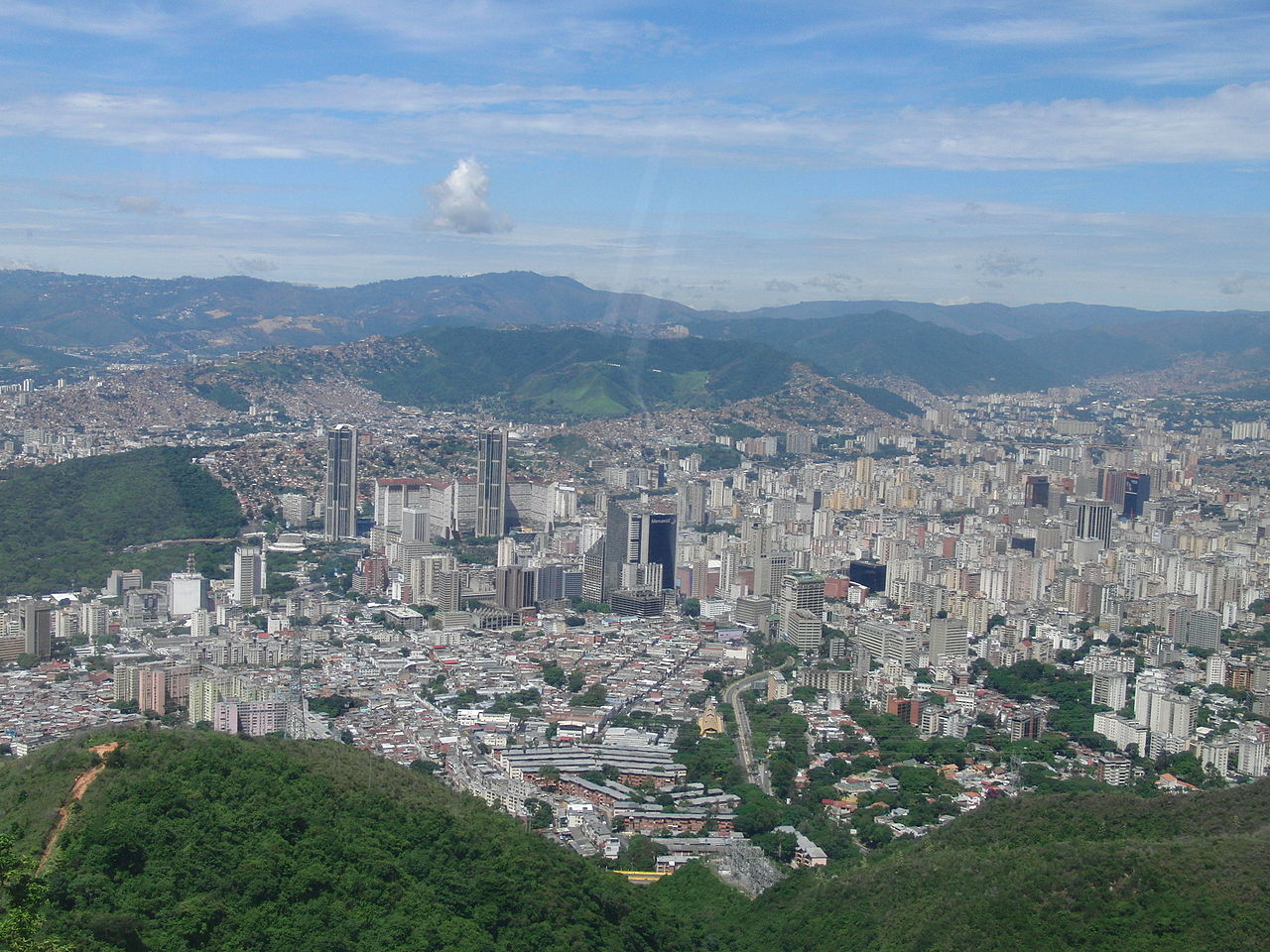
Caracas, Venezuela
News 27 June 2026

Venezuela earthquakes: Portuguese among the dead, thousands still unaccounted for

The series of quakes that hit Venezuela has left at least nine Portuguese nationals dead and tens of thousands of people still unreached.

It landed hard this week: at least nine Portuguese nationals are among the confirmed dead after the run of earthquakes that shook Venezuela, with roughly 50,000 people authorities have so far been unable to reach.

For Portugal, this isn’t a faraway tragedy. The Portuguese community in Venezuela is one of the largest and oldest anywhere — people who emigrated over decades, many from Madeira and the north, with family still here. When the ground moves in Caracas or Valencia, phones ring in Câmara de Lobos, in Porto, and everywhere in between.

What we know

The “unaccounted for” figure does not, thankfully, mean all those people are in danger. In disasters this size, communications collapse, networks go down, and displaced families can take days to check in. Even so, the toll is expected to rise as rescuers reach the worst-hit areas.

Portuguese authorities have activated consular support and are asking anyone with relatives in the region to use official channels to report contact rather than overload emergency lines.

What you can do

If you have family there, the advice is simple: register the situation with the consulate and keep documents and addresses handy. Social media helps locate people, but always confirm before treating anything as certain — moments like this are full of bad information.

We’ll keep following this and update as verified figures come in. For now, our thoughts are with everyone still waiting on a call.

Image: Wikimedia Commons

A detailed shot of firefighter gear inside a fire truck, emphasizing emergency readiness.
News 26 June 2026

Portugal ready to send emergency aid to Venezuela

The government says it's monitoring closely and has put a 50-strong civil protection team on standby, within the EU mechanism.

The crisis in Venezuela is back on Portugal’s agenda. Prime Minister Luís Montenegro said the government is following the situation “closely” and that Portugal is “ready to send emergency and humanitarian aid.”

Specifically, Portugal has made available a 50-member civil protection team, already accepted by Venezuelan authorities. The aid will be channelled in coordination with the European Union, through the European Civil Protection Mechanism.

Why it matters here

There’s a very human reason for Portugal to pay attention: roughly 7.9 million Venezuelans live abroad, and the Portuguese and Portuguese-descended community in Venezuela is large and long-established. Montenegro said the embassy in Caracas and the consular network are mobilised to support anyone who needs it.

For now, it’s the gesture and the logistics standing ready. The rest depends on how a still deeply unstable situation unfolds.

Illustrative · Photo: Craig Adderley / Pexels

Peaceful coastal scene of Sines Marina and beach at sunrise in Portugal.
News 26 June 2026

Sines could get passenger trains back, 36 years on

Infraestruturas de Portugal is studying a new mixed-traffic line that would bring Sines closer to Lisbon. The town hasn't seen passenger trains since 1990.

Anyone from Sines knows the story by heart: the station is still there, the tracks too, but nobody’s caught a passenger train since 1990. That’s 36 years. Now there’s a study that could change it — slowly, and with plenty of “ifs” along the way.

What’s on the table

Infraestruturas de Portugal is looking at a new rail link designed mainly to shorten the distance between Sines and Lisbon. The detail that matters to locals: the study allows for mixed traffic, meaning the door is open to passenger trains, not just the freight that serves the port.

Best not to pop the champagne yet. The government has no plans to revive passenger service on the current Sines Line. The possibility lives in this new route under study — an early stage, with no firm dates and no guarantees.

The context that helps

Sines isn’t just any dot on the rail map: its port is a key piece of the economy, and the region has been gaining weight. In parallel, the municipality has launched a tender for a new Mobility Station, a 3.5-million-euro investment next to the old railway station — a sign the transport push isn’t just talk.

There’s movement on the southern network too: the link between Évora and Spain is expected to start carrying trains in early 2027, with testing and certification under way.

Why it matters

For people who live and work in the area, a passenger train would be more than comfort — it’d mean fewer cars on the road and a better connection to the rest of the country. For now it’s the promise of a study. But sometimes that’s exactly how these things start.

Illustrative · Photo: Magda Ehlers / Pexels

Flag of Venezuela
News 26 June 2026

Venezuela: death toll passes 580 as the world rushes to help

Two back-to-back quakes left a trail of destruction west of Caracas. Rescue teams are racing the clock while tens of thousands remain unaccounted for.

The count keeps climbing, which is the cruellest part of a disaster like this. The two earthquakes that hit Venezuela on Wednesday — one magnitude 7.2 and one 7.5, about 160 kilometres west of Caracas — have already left nearly 600 people confirmed dead and close to three thousand injured. And the most frightening figure isn’t even that one: a platform set up to log missing people held more than 49,000 names still waiting for news this Friday.

Two big tremors, almost one after the other, is a brutal combination. The first weakens the buildings, the second brings them down — often with people already out in the street or trying to work out what’s happening. That’s why these first 72 hours matter so much: it’s the window when survivors can still be pulled alive from the rubble.

Portugal is counting its own

For us, this isn’t a distant headline. Portugal’s community in Venezuela is large and long-established, and the Foreign Ministry has confirmed nine Portuguese dead and 56 unaccounted for. Behind each of those numbers are families here — across the country — glued to a phone, waiting for a call.

The world opens its doors

The international response was fast and, in places, surprising. The United States eased part of its sanctions to let through aid that would otherwise be blocked, and pledged rescue teams and military assets. Several European countries, Portugal among them, put civil-protection teams on standby through the EU mechanism.

For now the priority is simple and hard: get people out from under the concrete before time runs out. Everything else — rebuilding, accounting, understanding why so many buildings failed — comes later.

Image: Wikimedia Commons