The US–Iran ceasefire is holding (and the Strait of Hormuz can breathe again)
More than 100 days into the war, the truce is holding, Washington is easing sanctions and oil is calming down. Here's what it means for your wallet.
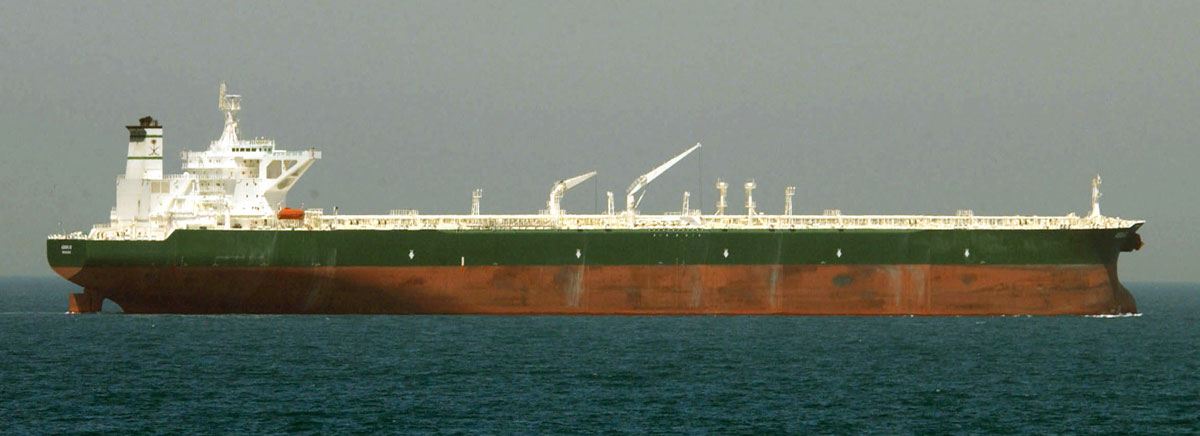
A hundred and sixteen days. That’s how long this war has been running since it kicked off in spring — and for weeks it had everyone squinting at the map of the Middle East, especially a narrow strip of water called the Strait of Hormuz, where a huge slice of the world’s oil passes through.
This week’s good news is refreshingly simple: the ceasefire is holding. Washington has started easing some sanctions and handed Iran a 60-day licence to sell oil on international markets again. In plain English for those who don’t take geopolitics with their morning coffee: more barrels on the way, less market panic.
Why this reaches Portugal
When Hormuz gets tense, energy prices spike — and you feel that at the petrol pump and on your electricity bill. The war pushed Portugal’s energy costs up more than 13% in a year. With the truce holding and oil cooling off, there’s finally room for prices to breathe.
None of this is guaranteed — truces are fragile things, and we’ve watched plenty fall apart. But for now the trend is toward relief. After the spring we’ve had, that’s no small thing.
Image: Wikimedia Commons