Tension in the Strait of Hormuz: US strikes Iran and reignites oil fears
An attack on a ship along the world's main oil route led the United States to respond forcefully. Fear of escalation is driving up uncertainty — and prices.
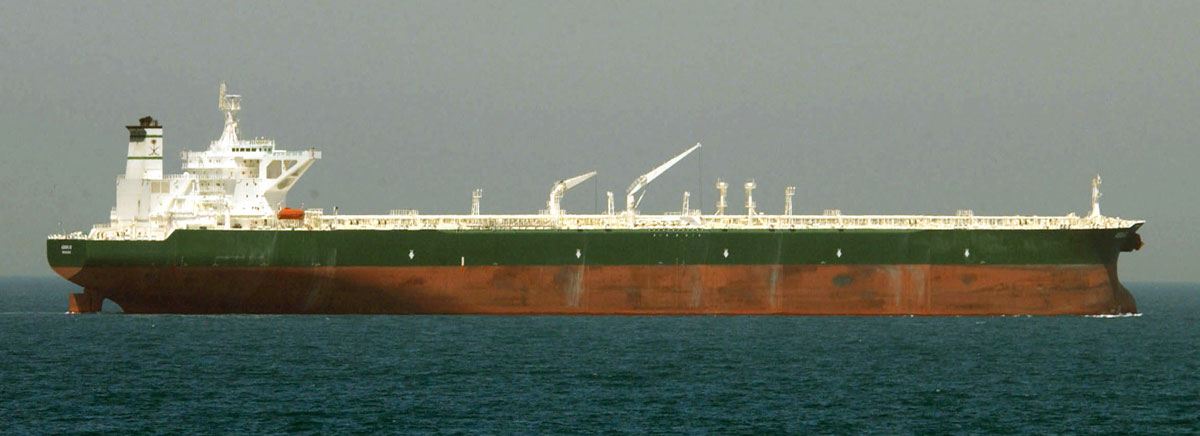
The Strait of Hormuz is back at the centre of world attention — and it’s never good news when that happens. The United States struck Iran in response to a drone attack on a cargo ship in the area, in what is the most serious test yet of the fragile understanding the two powers reached about a week ago.
To grasp the seriousness, you have to look at the map. The Strait of Hormuz is a narrow band of sea between Iran and the Arabian Peninsula through which a huge share of the world’s oil passes. Any spark in this region has a way of sending uncertainty soaring across energy markets within hours. Little wonder, then, that each new episode is followed closely by governments and investors around the world.
And this is where the story stops being distant and starts touching all of us, in Portugal too. Rising tension and the fear of escalation push oil prices up, and that has direct effects on what we pay — from fuel to energy bills, with knock-on effects on the inflation that the Bank of Portugal has already built into its projections. When people talk about conflict in the Gulf, they are, in effect, also talking about the cost of living here at home.
For now, the picture is one of caution and many unanswered questions. It isn’t clear how far each side’s response will go, nor whether the understanding reached days ago can survive this fresh jolt. The coming hours and days will be decisive in telling whether this stays a one-off episode or opens the door to something bigger.
What can be said with confidence is that it’s worth following calmly and without alarmism. In geopolitics, the first reports are often incomplete and the outcomes surprise. We’ll keep watching and return to the subject as the picture becomes clearer.
Image: Wikimedia Commons (NASA/MODIS)