

Beaches shut across San Sebastián after 120 stings in one day. The animal is named after Portugal
Red flags went up at La Concha, Ondarreta and Zurriola as Portuguese man-o'-war colonies crowded the Basque coast, and the city council now reassesses conditions every two hours at most.
The Portuguese man-o’-war is not a jellyfish. It is a floating colony trailing a tentacle that can run for metres, and this month enough of them reached the Gipuzkoa coast for lifeguards to raise the red flag in the middle of the swimming season.
The peak came on 4 August. San Sebastián’s beaches logged roughly 120 sting cases needing assistance in a single day, the overwhelming majority of them minor, according to the city council. Earlier in the week the incidents were more serious: a swimmer hospitalised at Getaria after multiple stings, a woman treated by ambulance at Zarautz. Emergency crews also worked at Zurriola, Mutriku and Zumaia, mostly treating people where they stood.
Swimming was temporarily banned at La Concha, Ondarreta and Zurriola, the three beaches any visitor to San Sebastián could name.
Why now
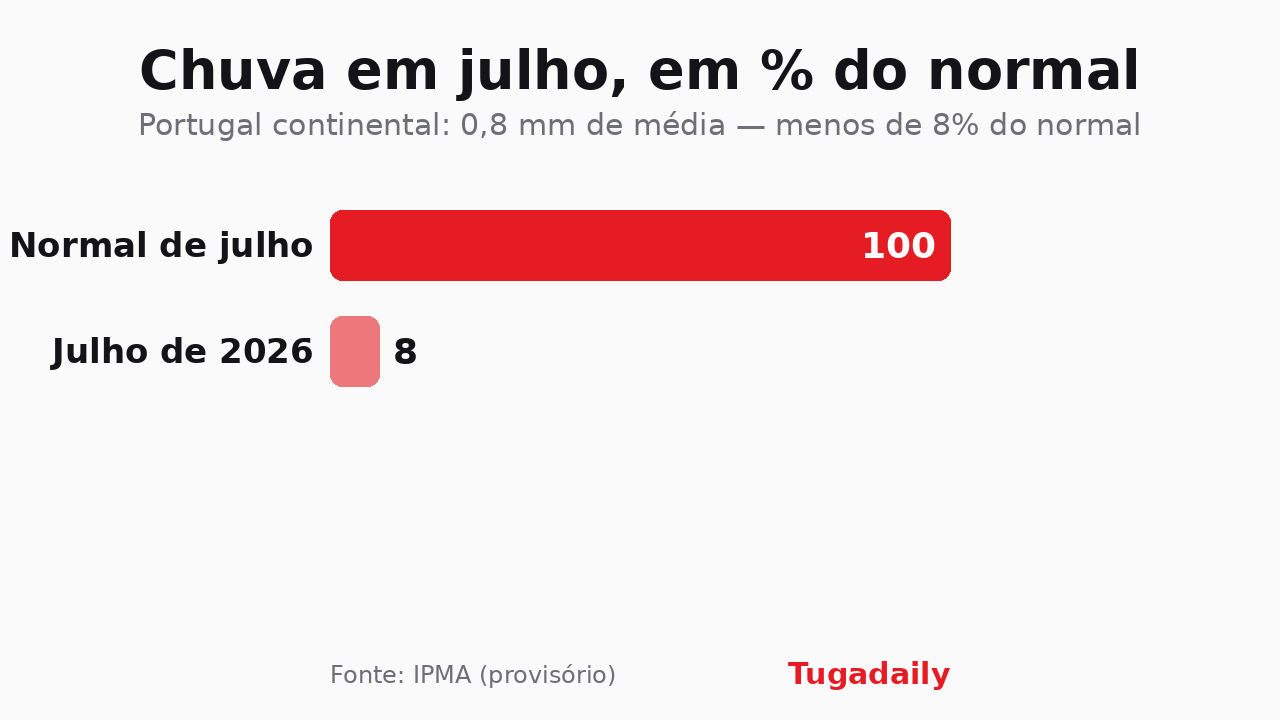
Specialists put it down to two things arriving together. Persistent northeasterly winds push the colonies inshore, and sea temperatures are unusually high for the region, hovering near 24.8C. The Bay of Biscay is not having an ordinary summer, and neither is the peninsula behind it, as Portugal’s driest and seventh-warmest July of the century showed.
The alert level rose again in recent days because larger specimens started washing in, with longer tentacles and more capacity to deliver toxins.
If you meet one
The least intuitive rule first: a stranded man-o’-war that looks thoroughly dead still carries active venom. Do not touch it, not with a foot, and not to put it back in the water.
If you are stung, health authorities advise rinsing the area with seawater only, never fresh water, and going straight to a lifeguard post.
The council’s protocol, updated last year, scales the response to the risk actually detected. A yellow flag flown with the jellyfish flag allows swimming with care; the red flag is held back for higher-risk conditions. Conditions are reviewed every two hours at most, and the protocol is published on the Donostia city website. Which is why, the morning after the worst day, the beaches were open again.
Photo: Santamarcanda / Wikimedia Commons (CC BY-SA 4.0)