Peace on the horizon: US and Iran strike a deal, Hormuz set to reopen
After months of tension in the Gulf, there's a deal on the table. Oil tumbled and markets exhaled — here's what it means for your wallet.
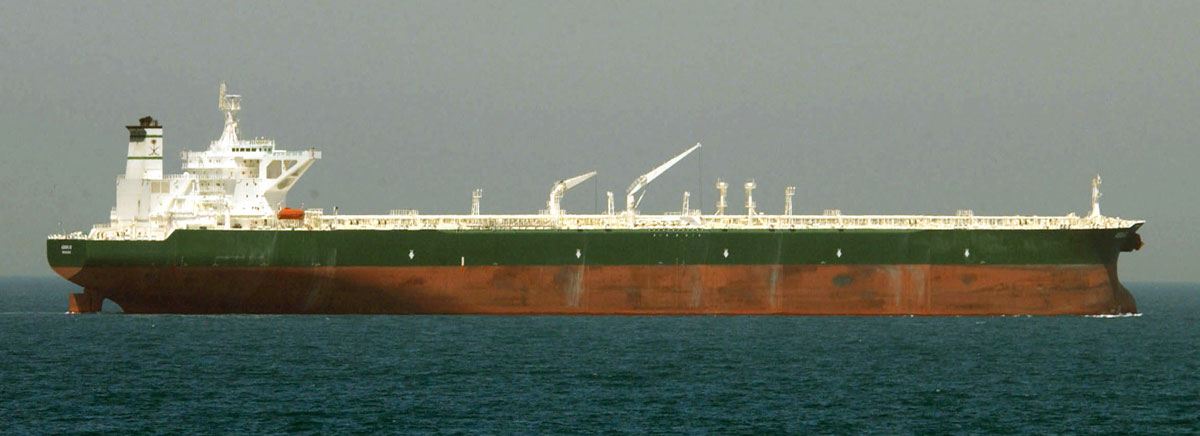
For months, the Strait of Hormuz has been at the heart of every conversation about petrol prices. Roughly a fifth of the world’s oil squeezes through that narrow stretch of water, so when tanker traffic there nearly froze earlier this year, prices shot up. Now it looks like the worst may be behind us.
The United States and Iran have announced a deal to end hostilities and reopen the strait. The formal signing is set for Friday in Switzerland, with the US agreeing to lift its naval blockade. Markets reacted instantly: US crude dropped below $80 a barrel for the first time since March, a fall of more than 5% in a single day.
Why it matters back home
Cheaper energy abroad usually feeds through, a few weeks later, into less pressure at the till — from the car’s fuel tank to the electricity bill. For Portugal, which imports nearly all the oil it burns, that’s welcome relief in a year when inflation has crept back up.
There’s fine print, of course. Iran says Hormuz will only be toll-free for 60 days, after which management is shared with Oman, and the two sides still read the agreement differently. So: good sign, but keep one eyebrow raised. Worth celebrating — just don’t pop all the champagne at once.
Illustrative · Photo: Rashed Paykary / Pexels