

Brazil has started the legal process that could put counter-tariffs on US goods
It is the first use of the 2025 Economic Reciprocity Law. Opening the process imposes nothing: it obliges Brazil's foreign ministry to notify Washington and request consultations, and the law only allows a response proportionate to the harm.
Brazil’s government announced on 13 August that it has opened a formal analysis of the measures the United States applied to Brazilian exports under Section 301 of American trade law. It is the first time Brasília has reached for the Economic Reciprocity Law since that law came into existence.
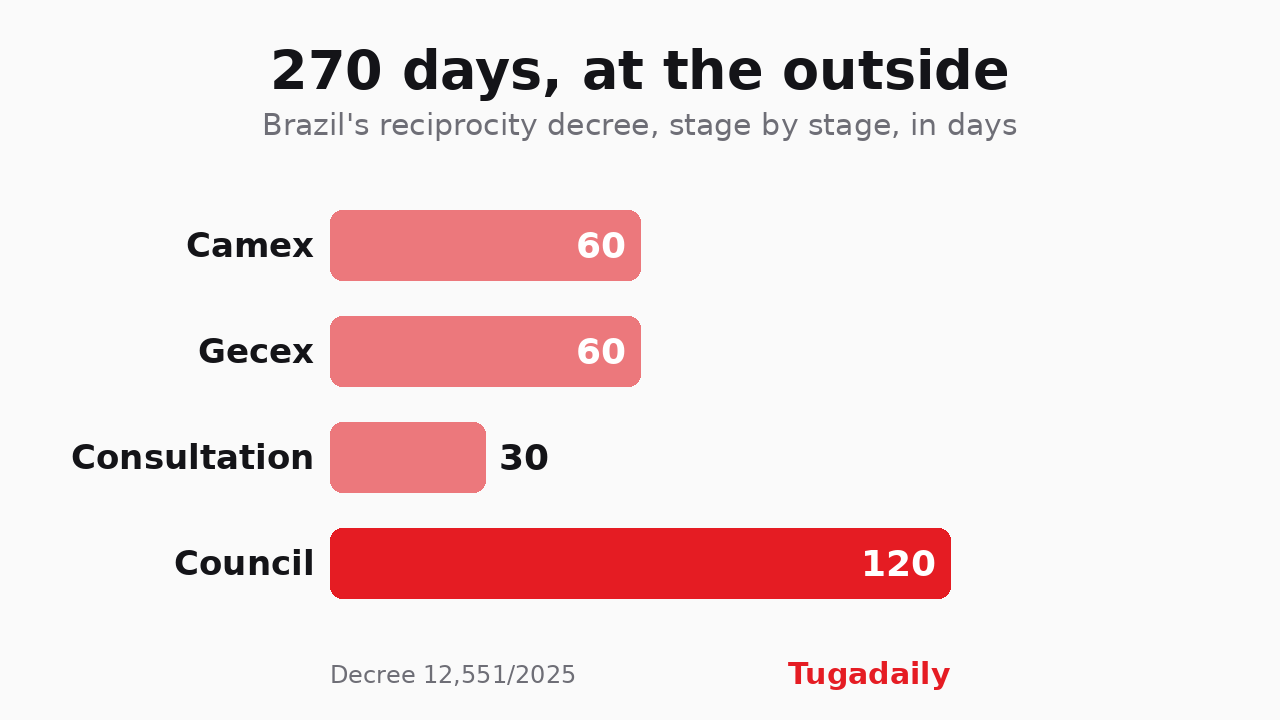
Two things worth keeping apart, because headlines tend to fuse them. Opening the process is not retaliation. It starts a procedure with defined stages, and the first stage is diplomatic: under the decree that implements the law, the foreign ministry notifies the US government and requests consultations. Only after that does anyone assess whether countermeasures are warranted.
What the law actually allows
The text repays reading, more than the press note does. Law 15.122 of 2025 sets the criteria for suspending trade concessions, investments and obligations relating to intellectual property rights in response to unilateral action by a country or bloc that damages Brazilian competitiveness. That is three instruments, not one. And the sharpest detail is not any of them on its own: it is the proportionality rule, which directs that a response be applied, as far as possible, in the same measure as the harm caused.
Intellectual property is the limb that tends to get overlooked and the one with the most teeth. Suspending obligations there reaches patents and licensing, which touches industries a tariff on goods never gets near.
So Brazil is now playing two boards at once. It negotiates with Washington while legally preparing the ground to answer if the talks produce nothing. The ambiguity is the point, and it is the same posture visible in other economic standoffs this year, from the gold and rates picture we keep tracking to the stalemate over reopening the Strait of Hormuz.
For readers in Portugal the interest is indirect, but it is not small. Brazil is the largest Lusophone partner in Portuguese foreign trade, and a tariff escalation between Brasília and Washington moves supply chains, the real’s exchange rate and, eventually, prices here. For now there are no countermeasures. There is a clock running.
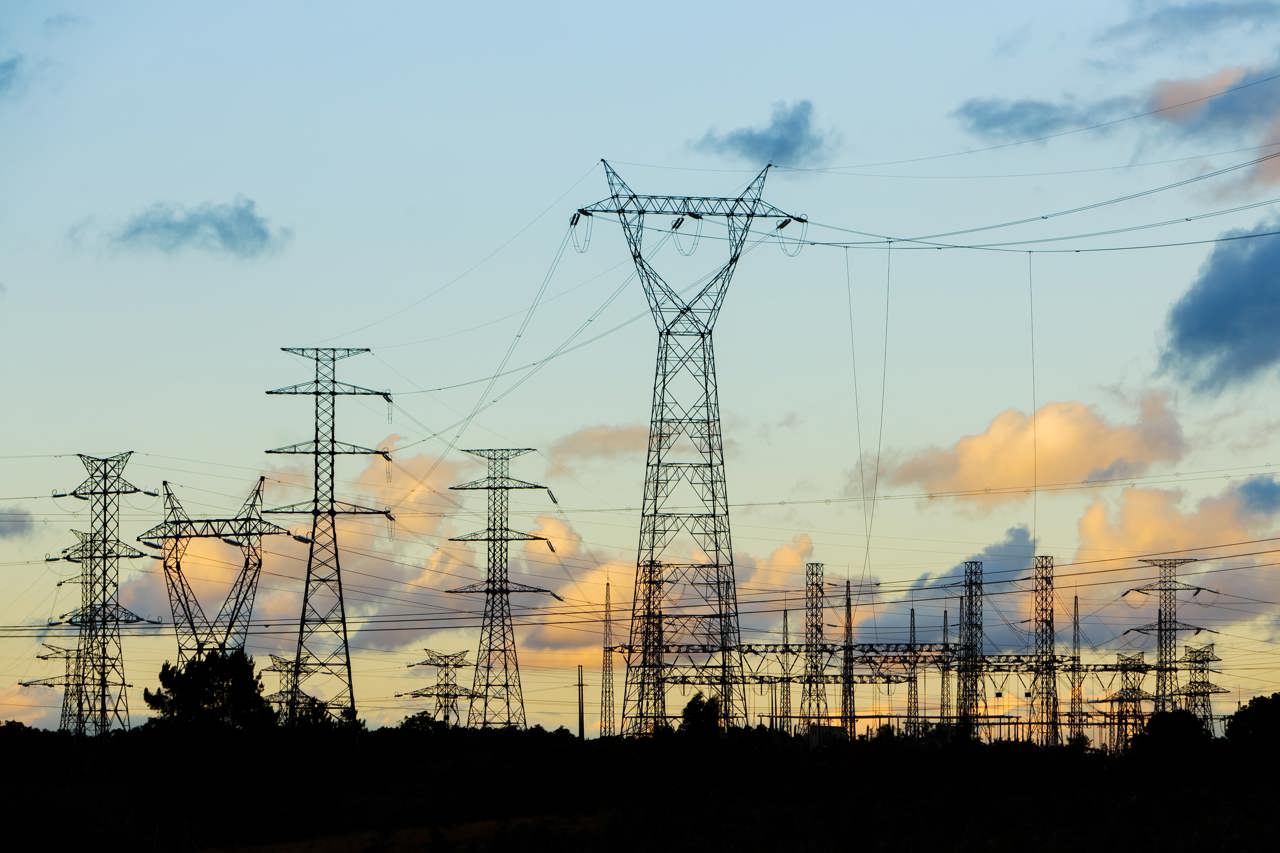
Image: Diego Baravelli / Wikimedia Commons (CC BY-SA 4.0)