

Immigration and Portugal's economy: business chief says the door was opened "without looking at qualifications"
Immigration debate at the AD party conference: CIP president Armindo Monteiro questions its impact on GDP, while banker Paulo Macedo warns the next decade decides if Portugal converges or stalls.
Immigration is back at the centre of Portugal’s political and economic debate — this time in the employers’ voice. At the governing AD coalition’s parliamentary conference, the president of business confederation CIP, Armindo Monteiro, criticised how the country has managed the arrival of foreign workers: the door was opened, he argued, without weighing what the economy needs and without looking at qualifications.
What did the CIP president say about immigration?
Monteiro boiled his argument down to a provocative sum: if Portugal gained an extra million residents and GDP barely moved, then that million is, in his words, “doing the same” — adding hands, but little value. For CIP, the problem is not immigration itself, which companies keep asking for, but the mismatch between who arrives and what the economy actually needs, above all in skills.
What was Paulo Macedo’s warning?
In the same debate, the chief executive of state bank Caixa Geral de Depósitos pulled the lens back: the next decade, he warned, will decide whether Portugal converges with Europe or stagnates. It’s an elegant way of saying the current model — growing on more people and low wages — has an expiry date, and that the bet will have to shift to productivity and talent.
The backdrop is familiar: the government has been tightening entry rules while entire sectors say they are short of workers, a balancing act we unpacked in our guide to the new job-seeker visa rules. And one recent data point complicates the “million doing the same” line: Portuguese wages are rising unevenly across sectors — a sign the economy is changing, just slowly and not for everyone.
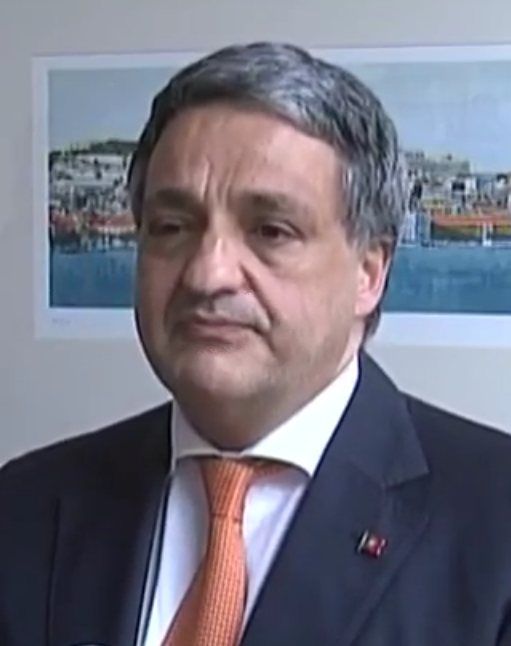
Image: Agencia LUSA / Wikimedia Commons (CC BY 3.0)


