

Sell a home, buy one to rent out, and Portugal may waive the capital-gains tax
The 2026 housing tax package lets sellers roll their gain into property destined for residential letting, cuts income tax on rents up to 2,300 euros until 2029, and extends 6% VAT to works on homes worth up to 660,982 euros.
For years the rule was tight and easy to state. Sell a property at a profit and, to avoid capital-gains tax, that profit had to go into another main home. Anyone who wanted to put it into rental property paid the tax and moved on.
Portugal’s 2026 housing tax package redraws that. It is now possible to sell at a gain and avoid capital-gains tax if the money is reinvested in property destined for residential letting. That is the single furthest-reaching change in the package, because it rewrites the arithmetic for anyone sitting on a second property they were not sure what to do with.
Where the money actually shows up
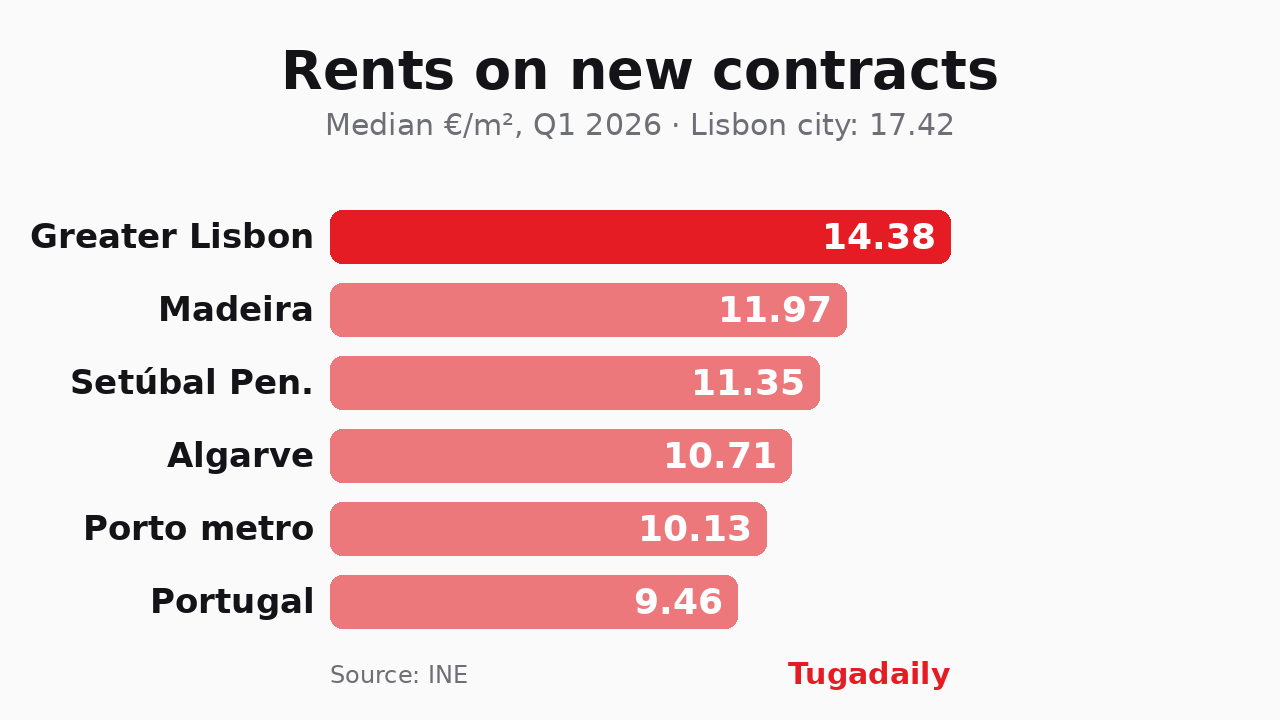
Not only in the gain. Personal and corporate income tax rates on residential rental income have been cut for rents up to 2,300 euros, with the regime running to the end of 2029. For a landlord with a long lease, that reduction is worth more year after year than any one-off exemption.
The package also created Investment Contracts for Letting, known by their Portuguese initials CIA, granting tax benefits for up to 25 years on investment in construction, refurbishment or acquisition of property for residential letting. That instrument is aimed at institutional investors, not at someone with a two-bedroom flat.
The 6% VAT rate, and the ceilings that decide it
The reduced 6% VAT rate now applies to construction or refurbishment works on property intended as a main permanent home or for residential letting. Two ceilings apply in 2026: the property must be worth no more than 660,982 euros, or the rent must not exceed 2,300 euros.
On a 50,000-euro refurbishment, the gap between 23% and 6% VAT is roughly 8,500 euros. That is enough to decide whether a job goes ahead or stays on a spreadsheet, and it is probably where the package will show its effects first.
The rest of the package
The same set of measures restricts new short-term rental licences, adjusts the rent-updating coefficient, creates income and property tax exemptions for refurbishment aimed at affordable letting, and introduces a public recovery regime for vacant housing.
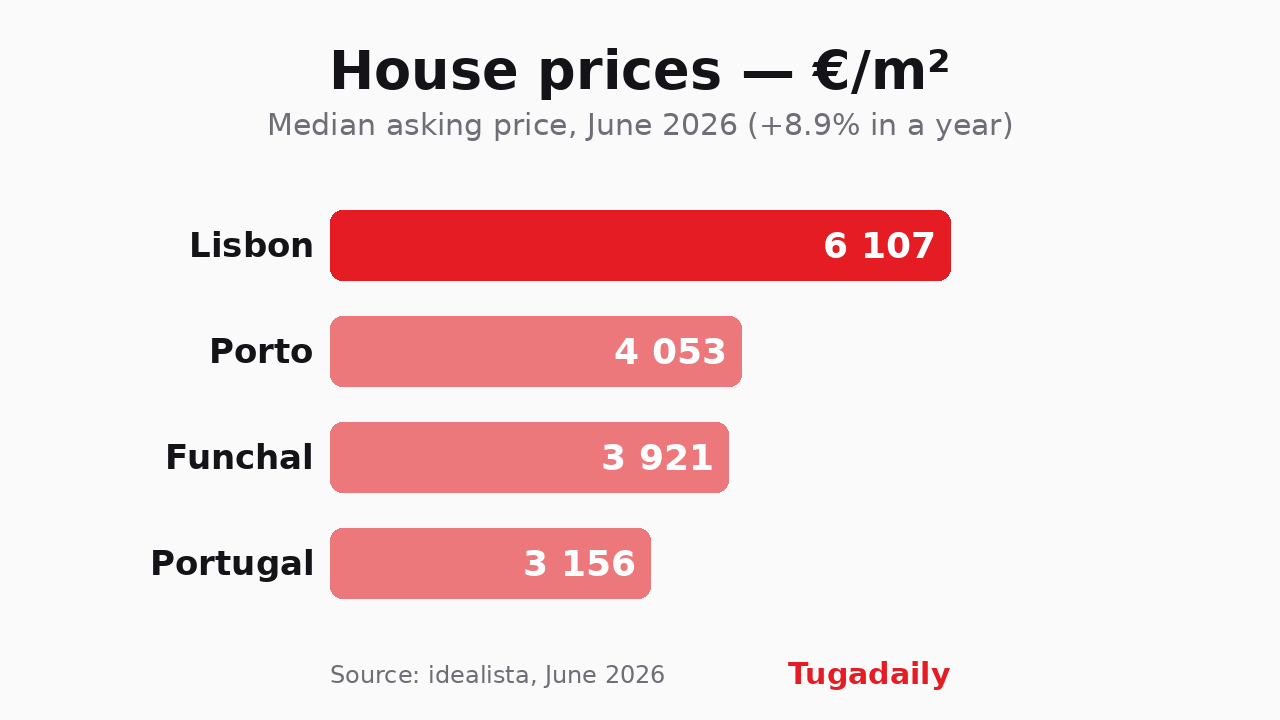
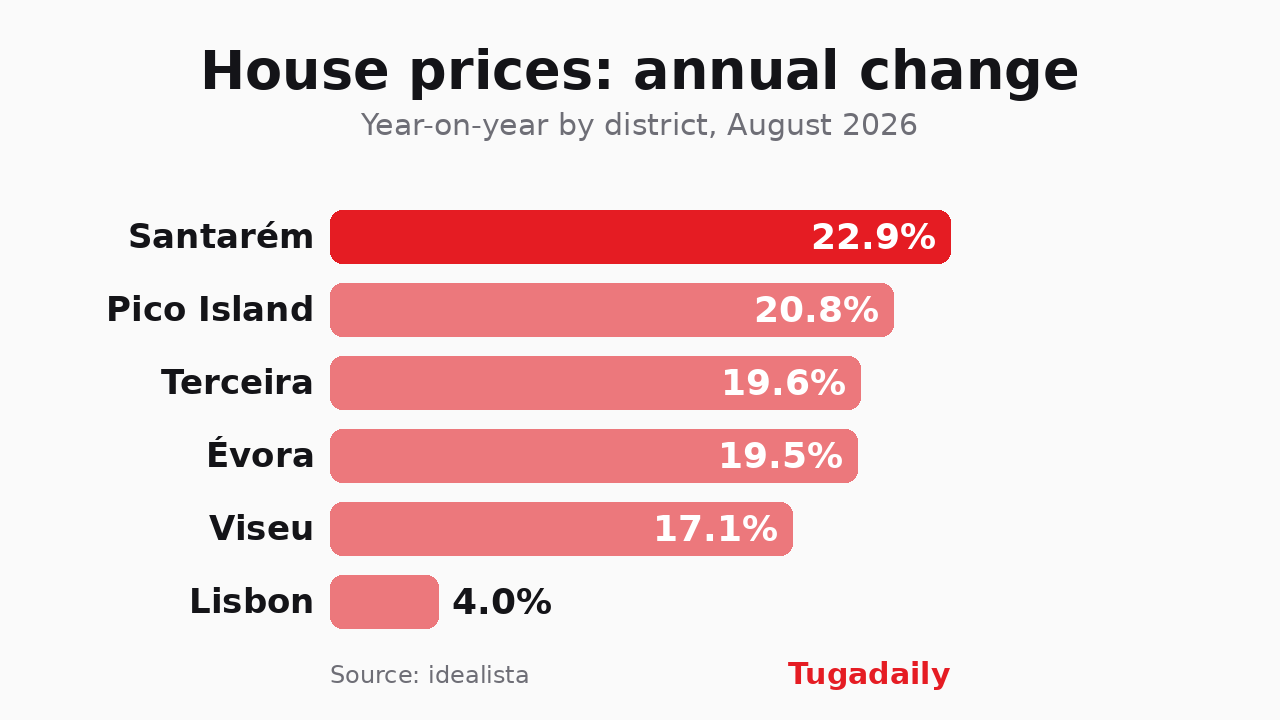
Read it alongside what is already known on the rental side, where the coefficient points to rents rising in 2027, and a market in which house prices have now set records for nine consecutive months and one home in ten sells within a week.
Quick questions
Is there a deadline on the reinvestment?
Yes, and it is where most people slip. Reinvestment relief on property gains runs to statutory time windows; check your dates before you sign, because missing the window cancels the benefit entirely.
Does this help if I have already sold?
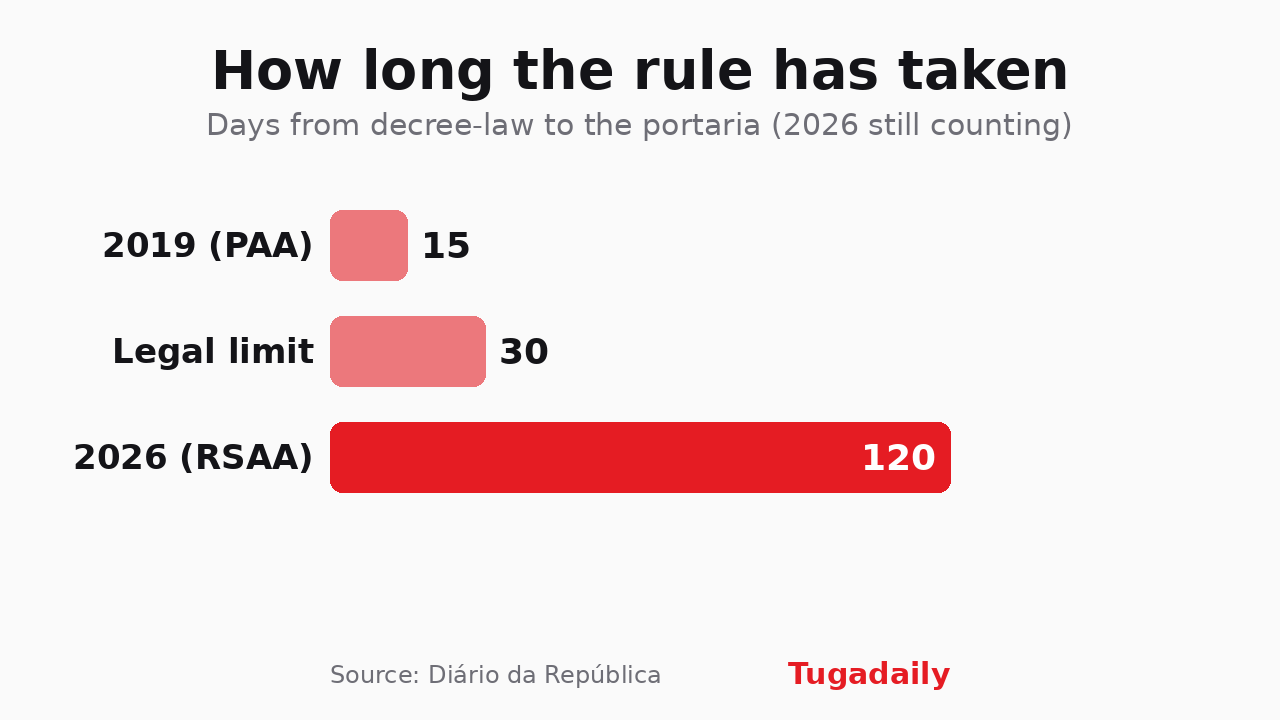
It depends on the sale date and on when each measure took effect. The changes were published across 2026 and they do not all start on the same day.
Is it worth it on a high rent?
Above 2,300 euros a month the rate cuts and the VAT relief stop applying. The package is calibrated for ordinary housing, not the top of the market.
The legislation is published in the Diário da República.
Photo: Vitor Oliveira / Wikimedia Commons (CC BY-SA 2.0)