

AI kidnapping scam in Coimbra: fraudsters faked a ransom photo of a missing woman
Scammers used an AI-manipulated photo to fake the kidnapping of a missing woman in Coimbra and demand ransom from her family. Police found her safe — she had left of her own free will.
A 37-year-old woman goes missing in downtown Coimbra. Days later, her family receives a photo of her, apparently tied up, along with a ransom demand. Except the kidnapping never happened: the image had been manipulated with artificial intelligence, and the woman — from Miranda do Corvo — had left of her own free will.
The case, revealed this week by Portugal’s Polícia Judiciária, began on 1 July when relatives reported her disappearance. While the family lived through days of anguish and the story gained media attention, fraudsters exploited precisely that exposure to stage an extortion attempt, lending the scheme credibility with the AI-generated photo. The woman was found safe on 8 July, in an operation coordinated with the PSP and GNR police forces, and investigators concluded no crime was involved in the disappearance itself.
How does this kind of AI scam work?
The recipe is simple, which is exactly what makes it dangerous: scammers take publicly available photos — from social media or the news coverage itself — and use image-manipulation tools to fabricate “proof” of an abduction, betting on a family’s panic to force a quick payment. It is the same pattern as the cloned-voice scams that have been circulating abroad, now arriving on Portuguese doorsteps.
The PJ is still working to identify the perpetrators, who face fraud charges, and updates go through the official channels of the Polícia Judiciária. The backdrop is familiar: the European Union will soon require AI-generated content to identify itself as such, but no watermark stops someone who has already decided to use the tool for crime.
The practical rule is old-fashioned and still works: faced with a ransom demand or a distressing “proof”, stop, verify through another channel and call the authorities — before transferring anything at all.
By Oliver Grant
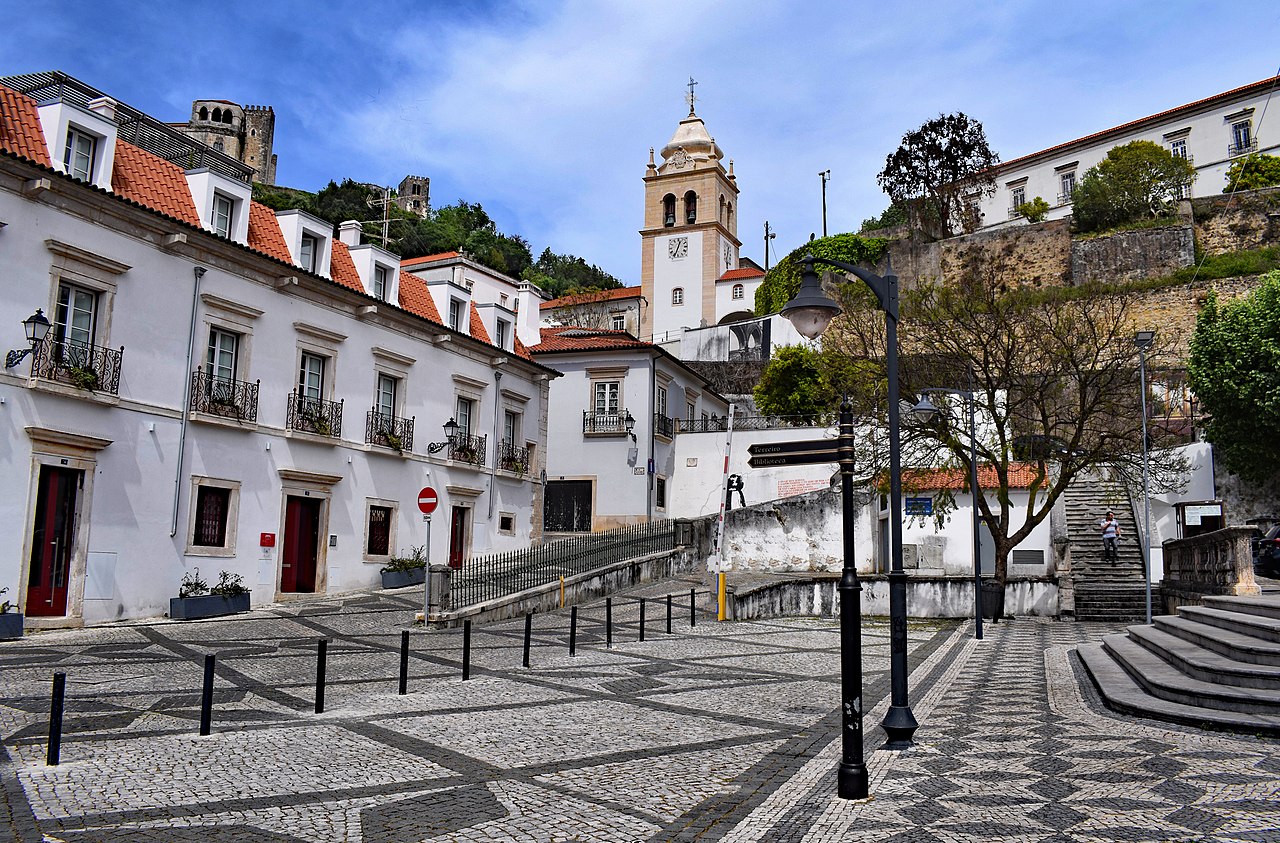
Image: GualdimG / Wikimedia Commons (CC BY-SA 4.0)