
Portuguese graphene could make drones near-invisible to radar — and the Air Force will test it
GTechPlasma, a Técnico spin-off, has developed a graphene-based material that absorbs radar waves and cuts the electromagnetic signature of drones and aircraft. Material has already been delivered for tests.
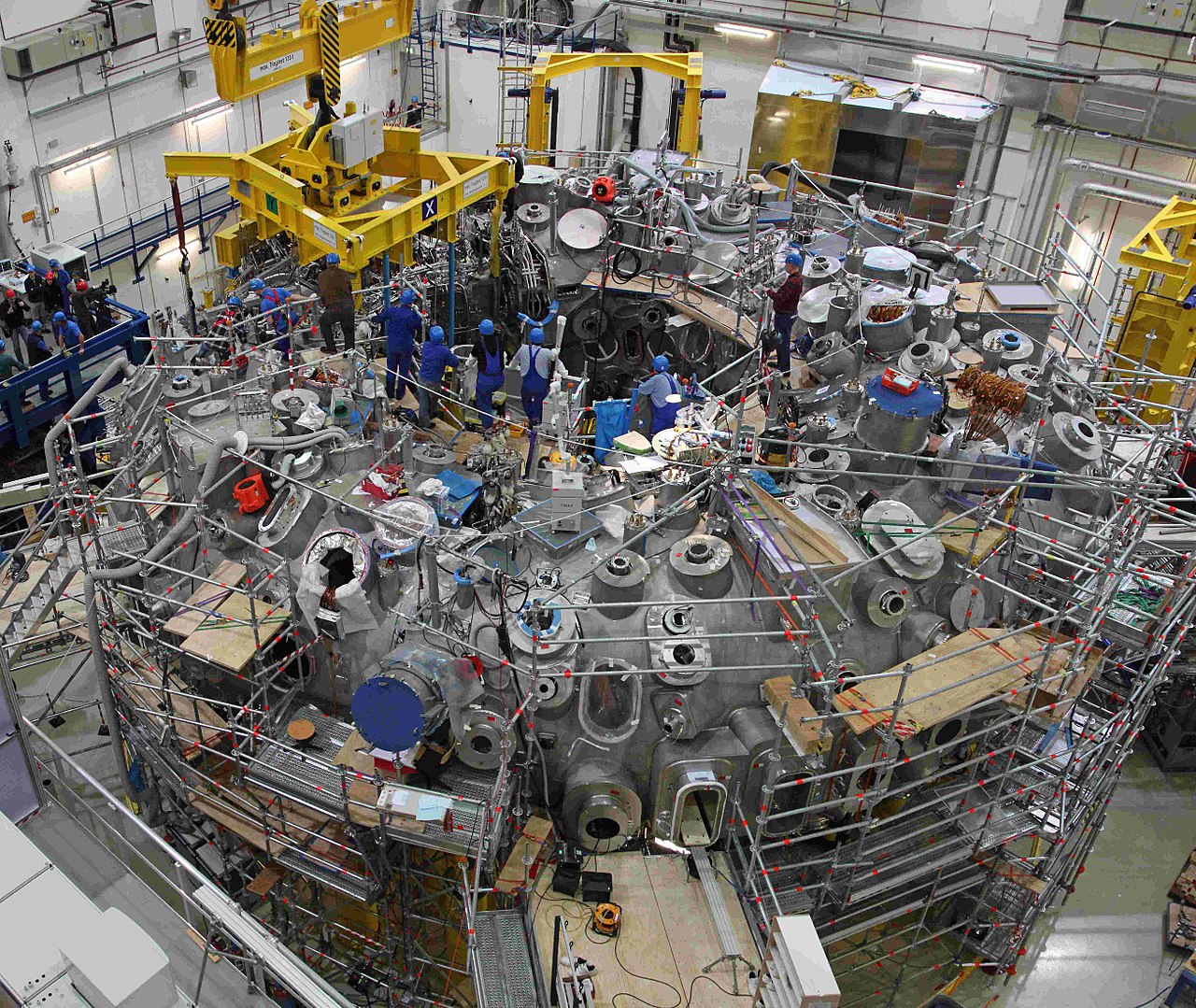
A Portuguese graphene-based material may soon hide drones and aircraft from radar. The technology was born at GTechPlasma, a spin-off of the Institute for Plasmas and Nuclear Fusion at Instituto Superior Técnico, and will be tested by the Portuguese Air Force — a rare leap for national research in the middle of Europe’s technological rearmament race.
How does radar-absorbing graphene work?
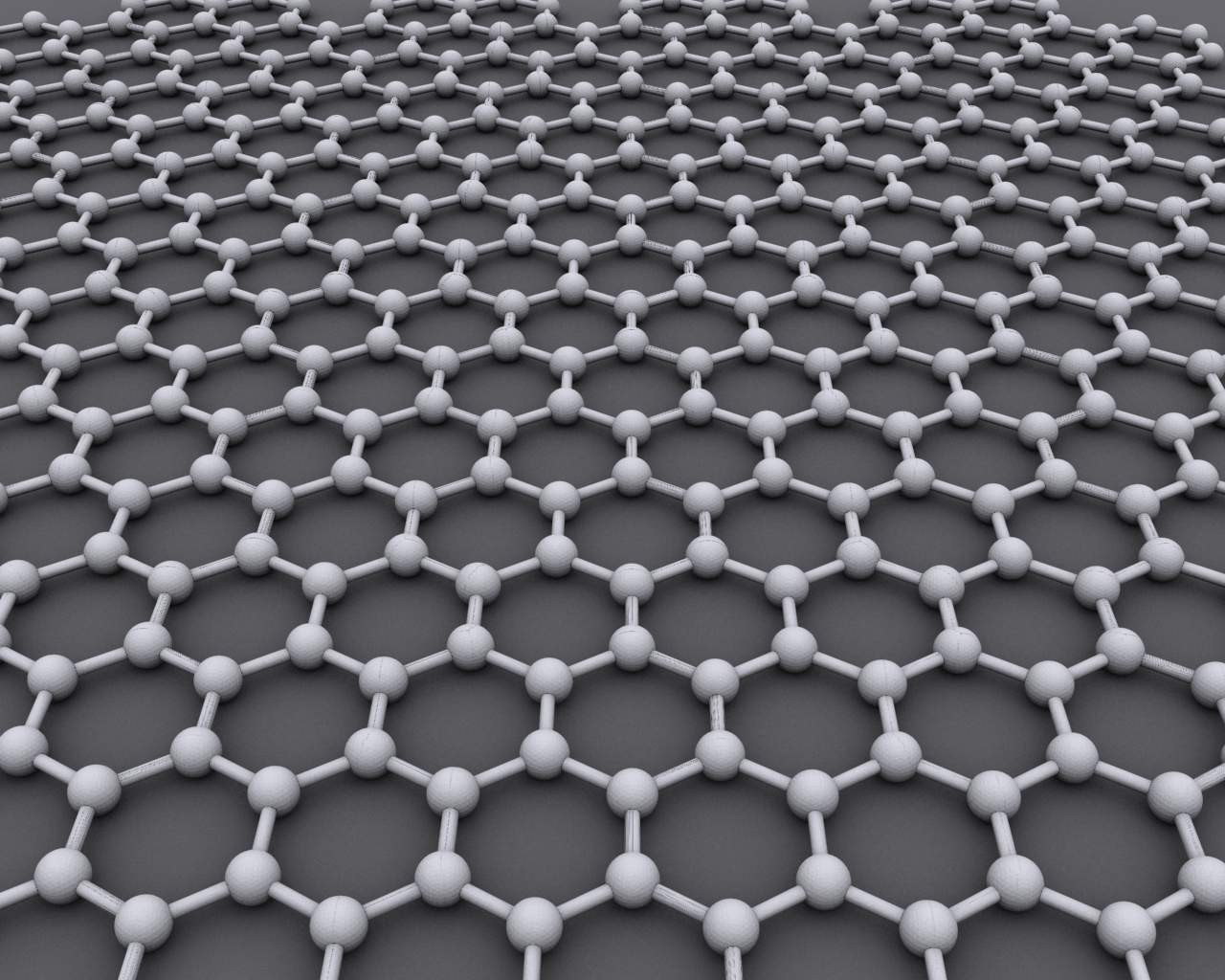
Instead of reflecting radar waves the way metallic surfaces do, the material absorbs them, drastically reducing the electromagnetic signature of whatever it coats. GTechPlasma produces high-quality graphene at around 40 milligrams per minute and wants to turn it into ready-to-use products — paints and coatings that can be applied directly to drones, aircraft or other equipment. Roughly 260 grams have already been delivered to a Portuguese drone manufacturer for radar-absorption tests.
Who else is developing stealth technology in Portugal?
Anti-detection graphene is not a lone bet. The ASTRAL project, led by Controlar with Graphenest, will create an ultra-thin flexible film able to absorb electromagnetic radiation between 2 and 110 GHz, backed by 1.86 million euros from Portugal 2030 funds, running to May 2029 with at least one international patent planned. Between military stealth and civilian uses — electromagnetic shielding for sensitive equipment, for instance — the potential market is huge.
It is another sign that Portuguese science is building things that fly: the same week brought confirmation that LusoSpace’s Lusíada constellation now has eight satellites in orbit, sketching an aerospace and defence ecosystem gaining altitude. From the plasma lab to the sky — without showing up on radar.
By Oliver Grant
Image: AlexanderAlUS / Wikimedia Commons (CC BY-SA 3.0)