
Portugal's €22bn recovery plan closes today with nothing sent back to Brussels
Economy minister Castro Almeida declared the plan fully executed on 28 August. The closing numbers: €22 billion, 403,000 approved applications, and a tenth payment request still to file.
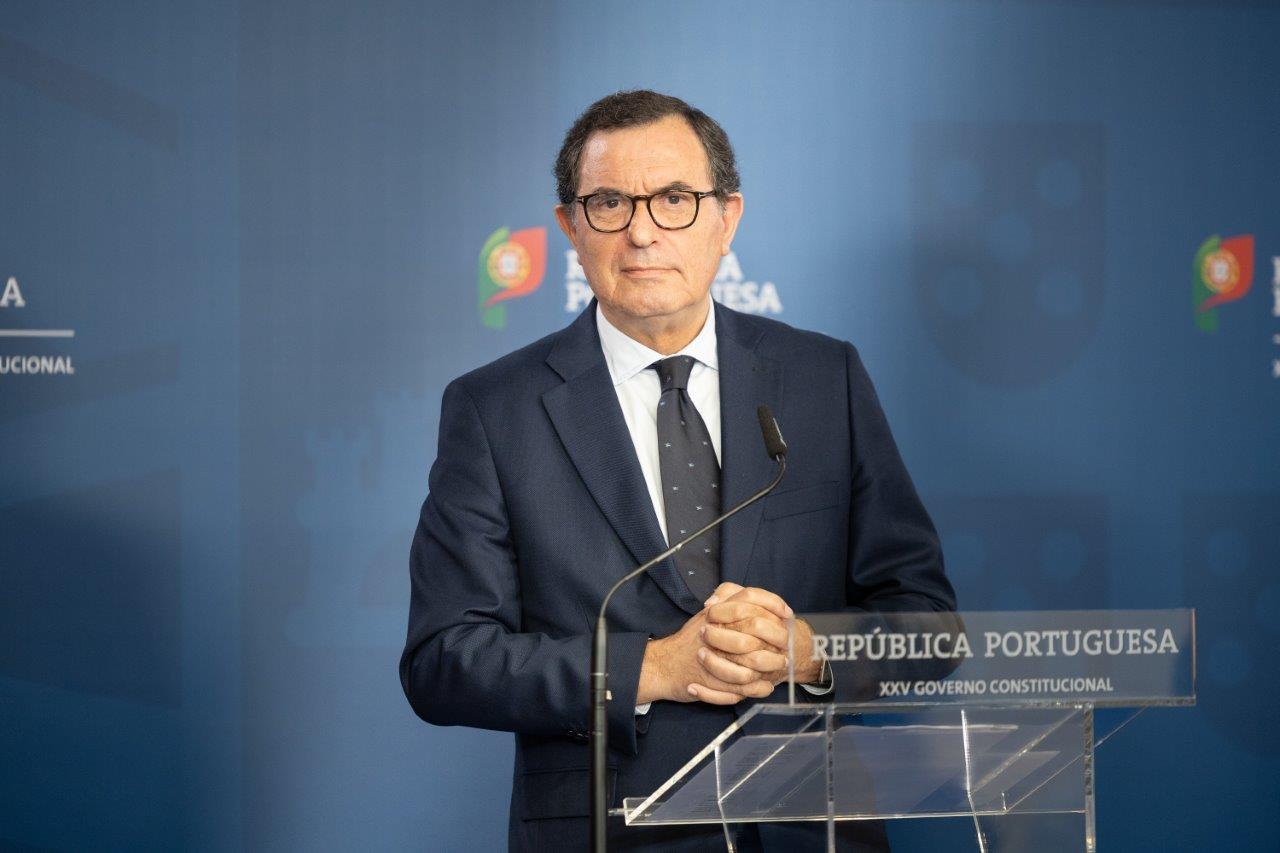
Portugal’s Recovery and Resilience Plan reaches its deadline today. This is the date the country agreed with Brussels for signing off every milestone and target, and the government turned up to it three days early with the verdict already written: at a Lisbon press conference on 28 August, the economy and territorial cohesion minister declared the plan “totalmente executado”, fully executed.
The headline figure is €22 billion. When the plan was drawn up in June 2021 it was worth €16.6 billion, split between €13.944 billion in grants and €2.7 billion in loans, and it grew along the way. The extra five billion or so went mostly into health, innovation, science, digitalisation and energy efficiency.
The word for it is overbooking
How can a plan with building sites still open be 100% executed? The government’s answer is arithmetic. Projects worth 101% of the envelope were approved, a deliberate cushion in case a school or a health centre missed the date. One failed project would have been enough to lose money, the minister said.
There were also two reprogrammings negotiated with the European Commission, both used to pull funding out of investments that were never going to finish and push it somewhere it could be spent. The projects that came out are not dead. They move to the national budget, to Portugal 2030 or to the European Investment Bank. That promise is worth remembering, because it is what decides whether a half-built site near you stays half-built.
Where the money landed
Housing: more than 28,000 homes finished by the end of August and another 12,000 in the final stages, against an original target of 26,000. Health: 490 units built or refurbished, and 3,850 beds in long-term, palliative and mental health care. Education: 87 schools.
On the business side, the biggest single top-up went to artificial intelligence, at €800 million, followed by deep tech at a further €400 million. The Agendas Mobilizadoras, consortiums that plug universities into industry, climbed from an initial €930 million to roughly €3 billion and, by the government’s count, produced 11,000 highly qualified jobs. Across five years the minister puts the total at 403,000 approved applications, which in his framing makes this the largest project Portuguese public administration has ever run.
One step is left. The tenth and final payment request now goes to Brussels, and that is where the government’s arithmetic meets the Commission’s. Back in June we looked at the cliff edge the end of this plan had drawn on the calendar. Today is that day.
By Beatriz Mota
Image: João Barata / Government of Portugal (official press room)