
Portugal's space sector is worth €1.2 billion — and every euro generates another €1.17
Portugal's space sector added €1.2 billion to GDP between 2019 and 2024, according to the Novaspace study for the Portuguese Space Agency.
Space is now serious business in Portugal: between 2019 and 2024, space activities contributed €1.2 billion directly to the country’s GDP. The figure comes from the socioeconomic study Novaspace produced for the Portuguese Space Agency — the most complete portrait of the sector to date — and it arrives with a multiplier that explains the excitement: for every euro space adds directly to the economy, another €1.17 is generated through supply chains and household spending.
Who makes up Portugal’s space sector?
More than 150 space-related entities, over 80 of them active companies, clustered mainly around Lisbon, Coimbra and the Porto region. The fabric is almost entirely small and medium-sized firms — none has more than 200 workers dedicated to space — and revenue remains concentrated: 76% comes from just 14 companies. It’s a young, growing sector, and the study names financing as its main challenge. The full document is available on the Portuguese Space Agency’s website.
Why does this study matter now?
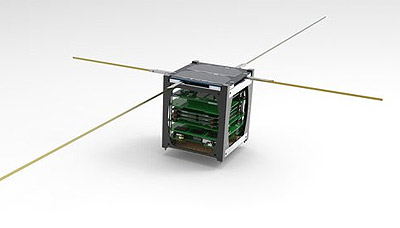
Because the sector is visibly accelerating. In recent weeks Portugal put new satellites from the Lusíada constellation, named after Portuguese poets, into orbit, and the country has been stepping up its contribution to the European Space Agency. The study puts numbers on an intuition: each launch isn’t just prestige — it’s skilled jobs, exports and a ripple effect felt far beyond the clean rooms.
For a country that spent decades treating space as other people’s business, €1.2 billion in six years is a persuasive way to change the conversation.
By Beatriz Mota
Image: Instituto Superior Técnico (IST), Portugal. / Wikimedia Commons (public domain)