

Who decides when a resident pharmacist becomes a specialist? Portugal has finally written it down
Portaria 332/2026/1, published on 11 August, sets the rules for applications, places, assessment and external training. One new duty stands out: seven hours a month on emergency service from the second year onwards.
More than 550 pharmacists are currently working through Portugal’s Residência Farmacêutica, the specialist training route that leads to the title of specialist pharmacist. Until this week they were doing it under a 2020 legal framework that never spelled out how any of it actually worked. Portaria 332/2026/1, published on 11 August, supplies the missing rulebook.
The timing is the story. The first cohort is reaching the end of its training, with the first final assessments and the first specialist titles now imminent. The rules for the finish line arrived shortly before the finish line.
What the regulation now settles
More or less everything that was left hanging. How training capacity and the map of available places get set, how you apply and are admitted, how residents are chosen and placed, how working time is organised, how the training itself is structured, and what supplementary training counts for.
It also draws clean lines between the three bodies running the system: the central health administration ACSS, the National Pharmaceutical Residency Commission, and the Ordem dos Farmacêuticos.
Seven hours a month on emergency duty
The most concrete new obligation for anyone mid-residency: from the second year of training, at least seven hours a month of normal working time must be served in an emergency department, supervised by a specialist pharmacist.
External training gets a proper frame too. It can be done in Portugal or abroad and, where the training programme allows, it can replace certain compulsory placements — which makes less linear career paths possible. In the same spirit, a residency can now be run alongside research, master’s or doctoral programmes.
A check worth noticing
Buried in the regulation is something this kind of document rarely includes: a special review procedure for a training site’s accreditation, triggered when there is a gap between how residents score in continuous assessment and how they score in the final one.
In plain terms, if a department passes everyone all year and its residents then sink in the national exam, that department’s fitness to train can be reopened. It audits the trainers, not just the trainees.
The Ordem dos Farmacêuticos called the publication long-awaited by residents. It is the second health profession to get its paperwork in order inside two days: the same gazette carried the new dental career inside the SNS, which had also been waiting years.
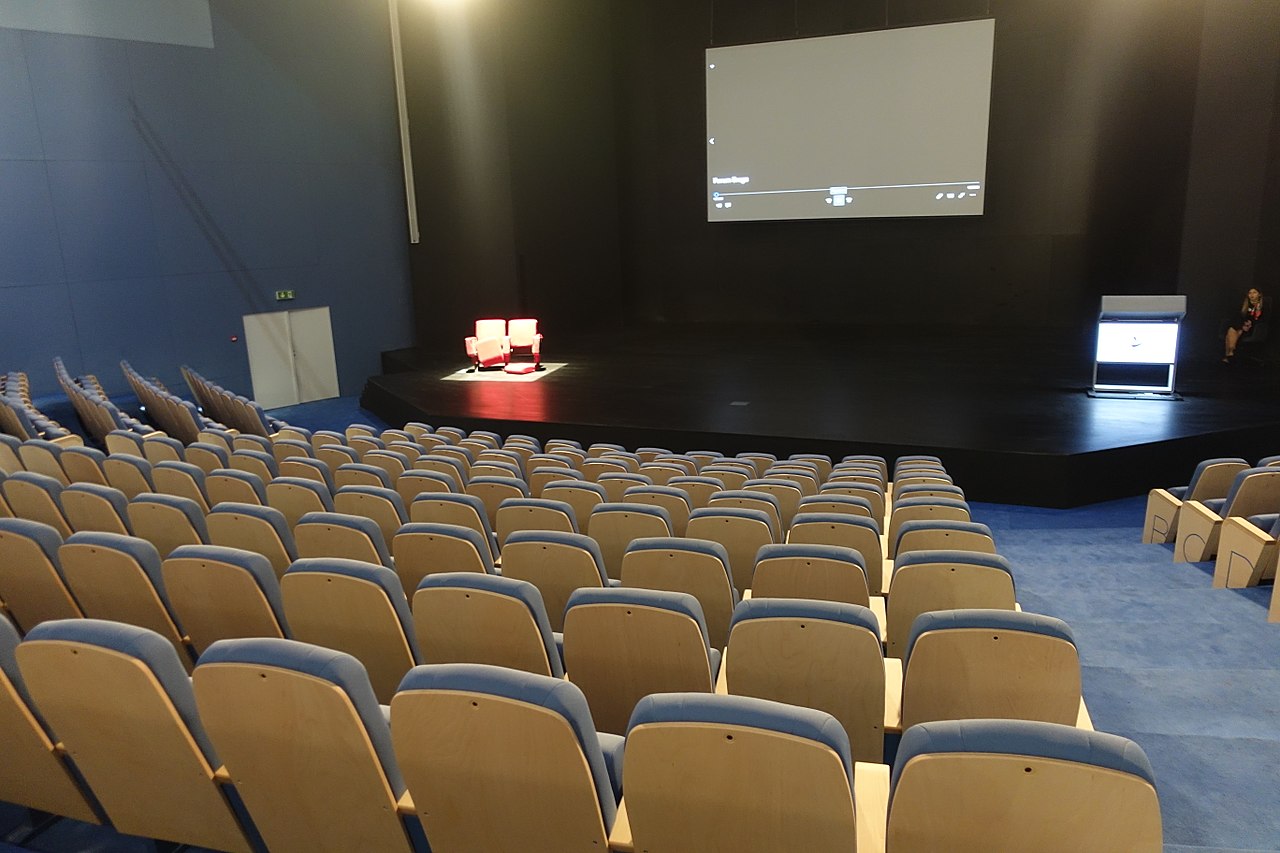
Image: U.S. Navy / Wikimedia Commons (public domain)