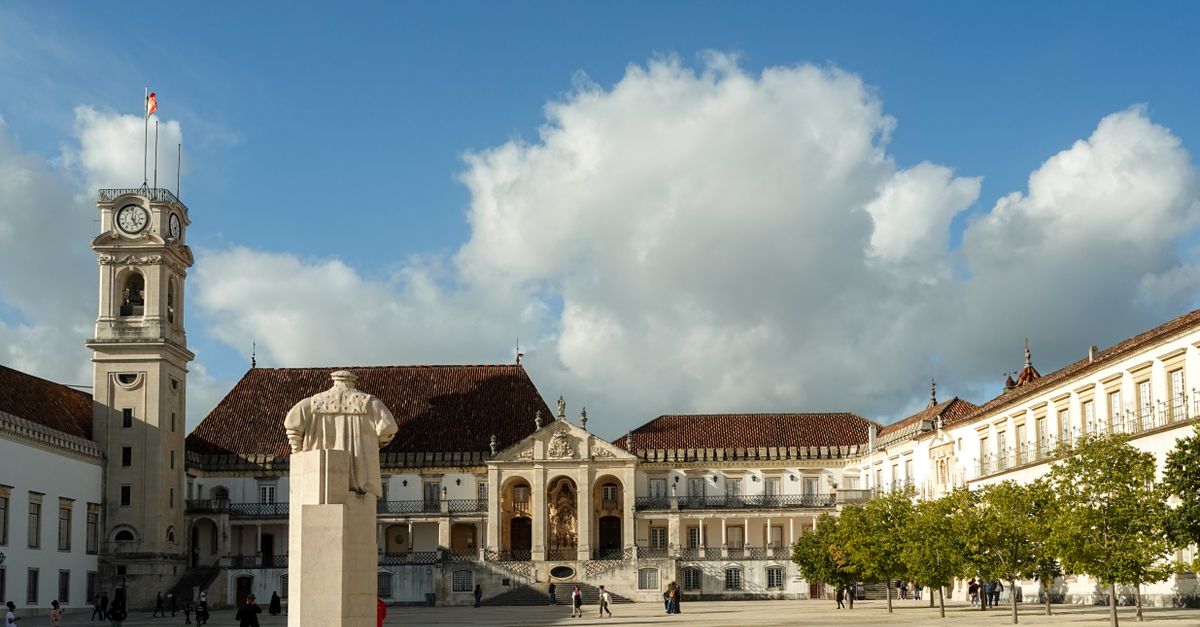
Studying in Portugal next year? Tuition fees are frozen at this year's level
Parliament has passed a Chega amendment, backed by the Socialists, that stops Portugal's public universities and polytechnics charging more in 2027/2028 than in 2026/2027 for bachelor's, master's, doctoral and higher technical courses. The government wanted the €697 bachelor's cap to rise with inflation. A Livre proposal to scrap diploma fees also passed.
If you are studying at a Portuguese public university or polytechnic, or plan to start next autumn, your tuition will not go up in 2027/2028. On Friday, during the votes on the 2027 State Budget, Parliament approved an amendment from the right-wing Chega party that freezes tuition fees for the 2027/2028 academic year, against the government’s wishes.
The text says fees for bachelor’s, master’s and doctoral degrees and two-year higher technical courses (CTeSP) at public institutions may not exceed, course by course, the amounts set for 2026/2027.
How much is a bachelor’s degree in Portugal in 2027/2028?
No more than €697 a year, the same cap as now. The government had wanted that figure to rise in line with 2026 inflation (excluding housing costs), and for master’s and doctoral programmes that are not required to practise a profession it was open to fees reflecting the “real cost” of the course. Those are the degrees where prices could have climbed most, which is why student unions saw them as the bigger worry.
Chega, the Socialists (PS), the Left Bloc and PAN voted in favour. The PSD, CDS-PP and Liberal Initiative voted against, with Livre and the Communists abstaining. A near-identical PS proposal had been voted down just before.
Are diploma fees being scrapped too?
Yes, if the budget passes. MPs also approved a Livre proposal ending the charges for issuing bachelor’s, master’s and doctoral diplomas, enrolment certificates and registration for academic exams. There is no date yet for when universities stop charging.
Who covers the gap?
That is what the rectors want to know. Luís Ferreira, who chairs the Council of Rectors of Portuguese Universities, told public radio Antena 1 that the budget offers no compensation for the lost income, which in practice means hiring fewer lecturers and researchers and more short-term contracts. The Lisbon and Porto student federations welcomed the freeze but want more money for grants and student housing.
Thinking of a semester abroad instead? The Erasmus+ 2027 call, which schools and universities apply to by 18 February, brings the UK back in.
One step remains. The whole budget goes to its final vote on Tuesday, 24 November, and the freeze only becomes law if it passes.
Photo: Carlos Machado / Pexels