

Lisbon University is opening 1,018 more student beds right as placements land
ULisboa goes from 488 to 1,506 residence beds for 2026/2027, on more than €80m of investment. Higher-education placements come out on 22 August.
There are two weeks in August that decide the year for thousands of families: the ones where higher-education placements come out and you suddenly have to find your kid somewhere to sleep in Lisbon. The arithmetic shifts slightly this year, because the University of Lisbon is adding 1,018 residence beds for the 2026/2027 academic year.
Added to the 488 that opened last year, ULisboa ends up with 1,506 beds of its own. Total investment runs above €80 million, €49.5 million of it from the Recovery and Resilience Plan. It is one of the largest university residence programmes the country has ever run.
Is that enough for Lisbon’s students?
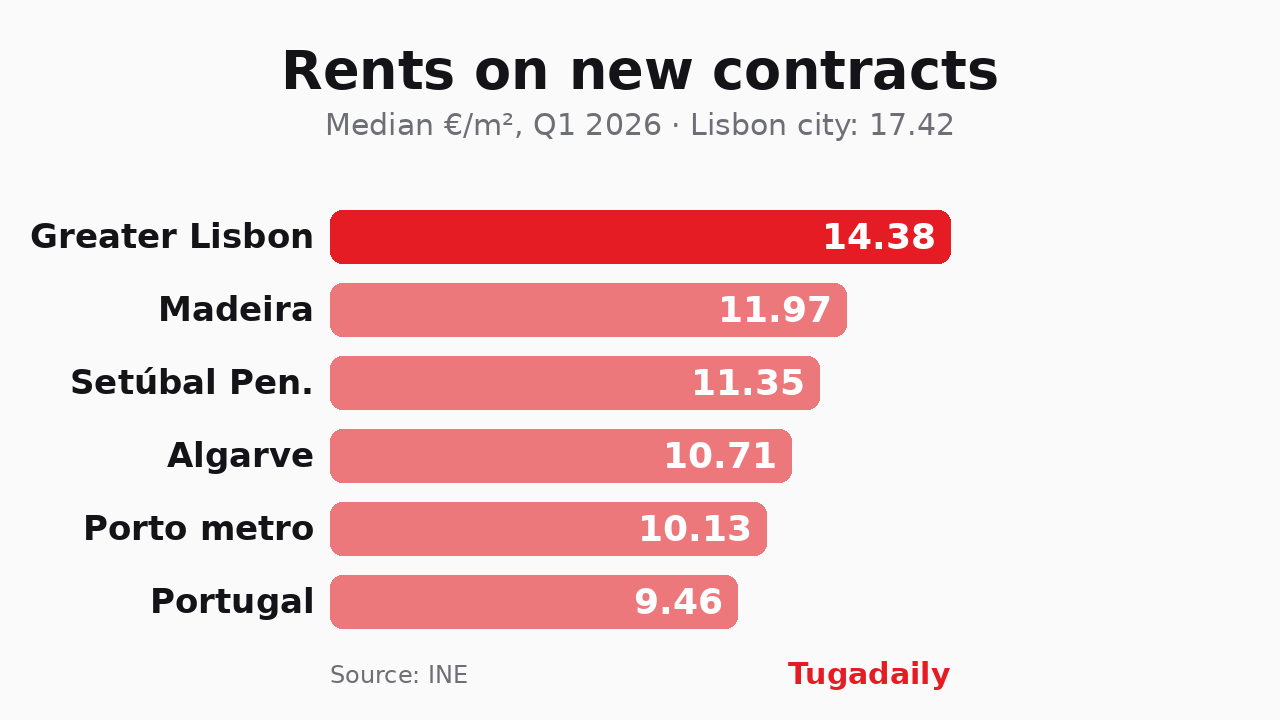
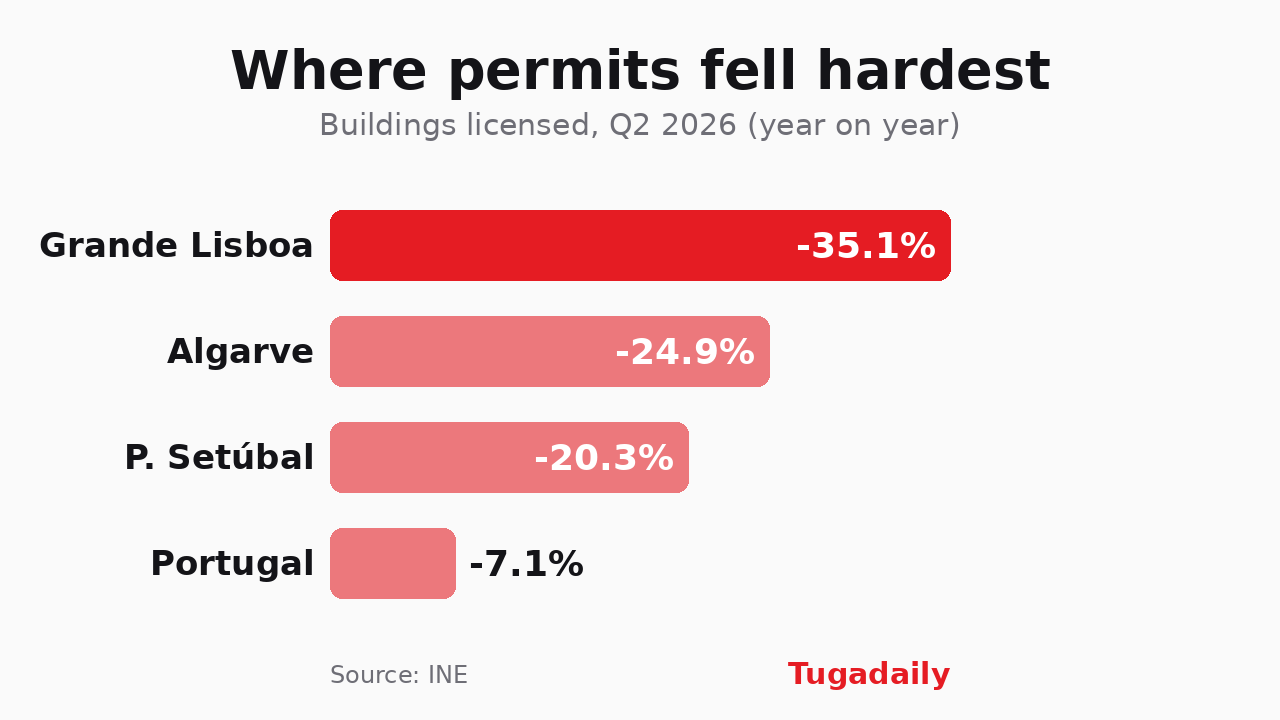
Honestly, no. ULisboa brings together 19 schools and more than 50,000 students. Fifteen hundred beds against 50,000 students is roughly 3% coverage, which leaves the overwhelming majority at the mercy of the private market — the same market where room prices rose around 8% in a year and where the supply of rental homes fell 22% in the second quarter.
What 1,018 beds do is pull a thousand-odd people out of the private queue. In a city under this much pressure, a thousand-odd people is both nothing and quite a lot.
When do you actually have to decide?
First-round results of the national admissions competition come out on 22 August, and enrolment has a four-day window. Accommodation applications through each institution’s social services run in parallel and follow their own rules, so it is worth sorting that before you know the placement rather than after. Official details on the competition sit on the Directorate-General for Higher Education portal.
For anyone heading into the private market anyway, it helps to know that mortgage rules changed on 1 August — no help at all in renting a room, but useful for reading where the market the parents buy in is heading.
Image: Manuelvbotelho / Wikimedia Commons (CC BY-SA 3.0)