

Prosecutors want the Parede Hilton stopped and partly demolished, and Cascais is going to court
Portugal's public prosecutor has asked for work on a Hilton hotel and 120 flats near Cascais to halt, plus partial demolition. The council says the permits are legal.
An international-brand hotel and 120 nearly finished flats, less than 500 metres from the Atlantic, and now a prosecutor asking a court to stop the lot and take the top floors back down. That is where things stand in Parede, in the Cascais municipality, and the council has already said it will fight it.
What are prosecutors trying to stop in Parede?
The public prosecutor asked for immediate suspension of works on the future Hilton hotel and the housing block beside it, and went further: it wants at least the top three floors demolished and the land restored where, in its reading, nothing should have been built. The core of the argument is the ground itself. Part of the site sat inside the National Ecological Reserve, and the buildings rose higher than their neighbours on a stretch of coast where the rules are strict for exactly that reason.
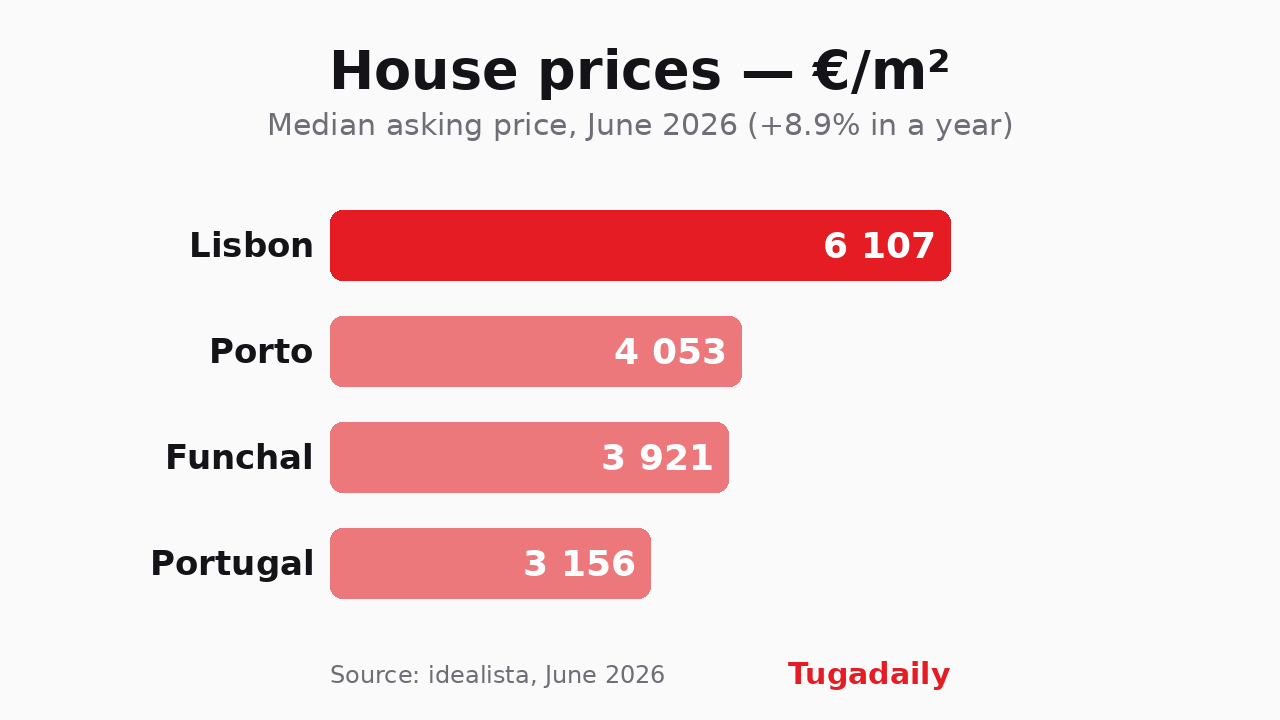
Then there is the deal. A plot of roughly 800 square metres changed hands for under 313,000 euros in one of the most expensive property markets in the country, a figure that jumps out at anyone who has watched Portuguese house prices climb over recent years. Most of the permits were signed by the then deputy mayor of Cascais, Miguel Pinto Luz, now infrastructure minister, who maintains the licensing was lawful.
So do the works stop now?
No cranes have been switched off by decree. What exists is a request from the prosecutor to a court, and it is the court that decides. The council has until 6 October to file its challenge and says it will wait for the ruling, admitting no irregularity. In other words this will take time, and demolition only happens if the judges side with the prosecution.
For anyone who follows planning, the case matters well beyond Parede. It is a test of what happens when an old permit meets ecological reserve rules after the building is already standing, and the answer will shape a lot of decisions along the coast. Land-use rules are published by the Directorate-General for Territory, and municipal decisions are logged on the Cascais council site.
Image: Camila Honorato de Barros / Wikimedia Commons (CC BY 2.0)