4 things Trump's new housing order actually changes
The 22 October executive order sets up a pilot to cancel mortgage insurance once owners have enough equity at today's values, puts HUD and the FHFA in charge of a manufactured-housing task force, makes a title-insurance alternative permanent and cuts rates on USDA and VA home loans.
Donald Trump signed another executive order on housing on 22 October, his third on the subject this year. It goes by the plain title Decreasing Housing Costs for the American People, and it does not touch prices directly. It goes after the costs that pile up around buying, financing and refinancing a home.
There are four moving parts.
1. Mortgage insurance that ends sooner
Americans who buy with a small deposit pay mortgage insurance every month until they hold enough equity. The order tells the director of the FHFA, which regulates Fannie Mae and Freddie Mac, to set up a pilot that cancels those premiums proactively once a borrower qualifies, measured against the home’s current market value rather than what they paid. Owners whose homes have gained value could get there sooner than they expected.
2. A task force for factory-built homes
The Housing Secretary and the FHFA director will co-chair a new Task Force on Manufactured Housing Innovation, to push modern factory methods for homes that qualify for federal programmes. It is the measure with the most long-term potential, and the one with the least detail on paper.
3. Cheaper refinancing
A pilot that let some borrowers skip title insurance when refinancing becomes permanent. One less bill at closing.
4. Lower rates on two federal loan schemes
The Departments of Agriculture and Veterans Affairs, which lend directly for single-family homes, must cut the interest rates on those loans. The White House does not say by how much.
The bigger picture
The order sits on top of January’s move restricting large institutional investors from buying single-family homes, and the instruction for Fannie Mae and Freddie Mac to buy $200 billion of mortgage-backed securities. It also lands days before the 3 November midterms, where the cost of living is front and centre.
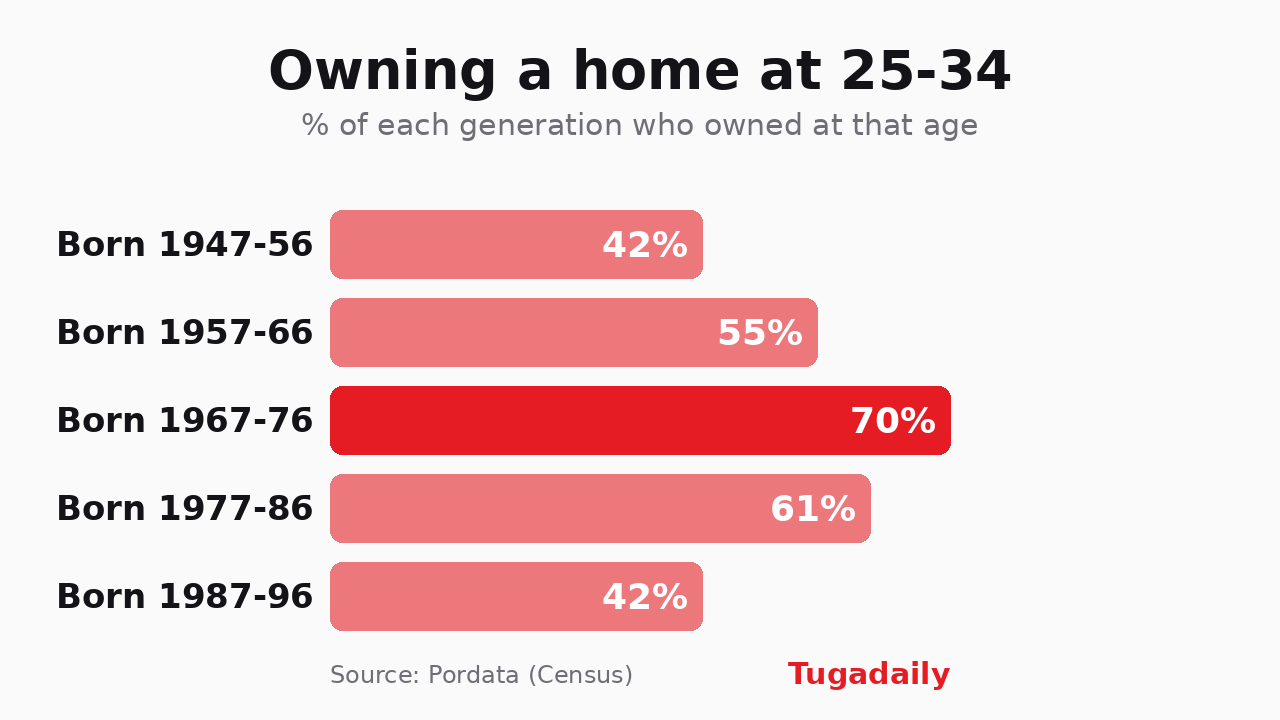
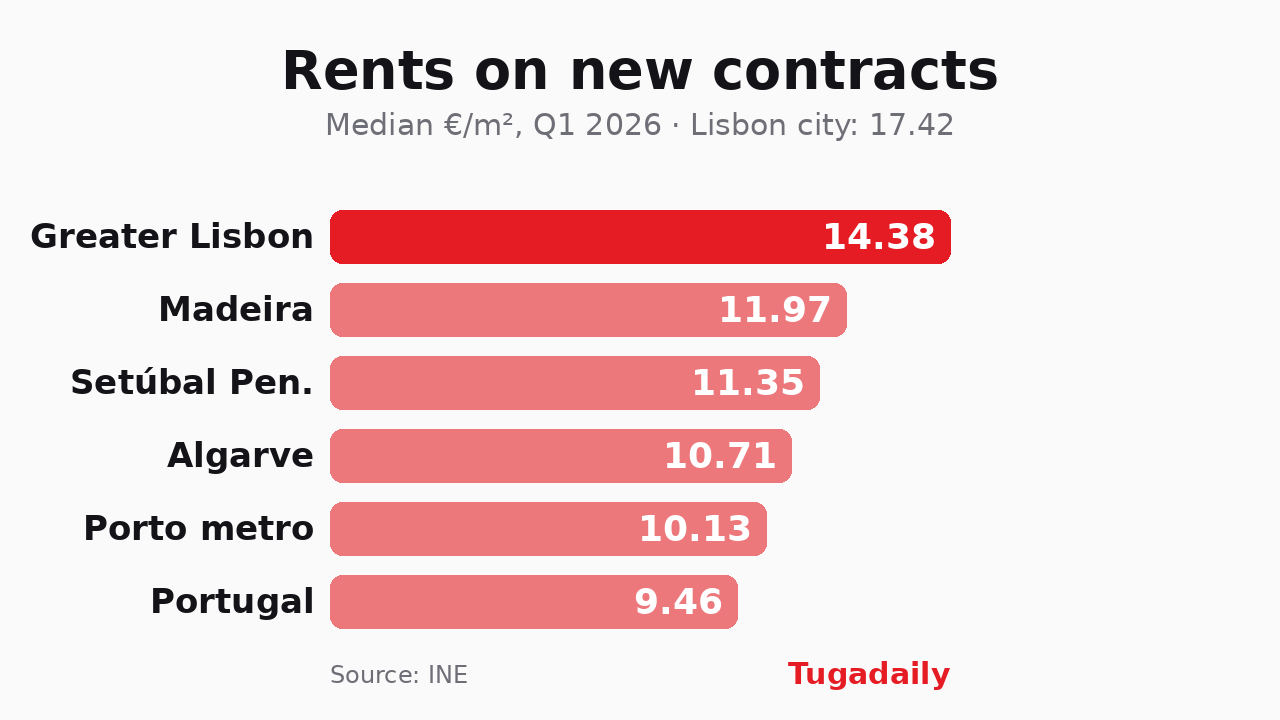
The argument will sound familiar in Portugal, where home ownership has slipped away from a whole generation. The difference is the toolkit. Washington is tinkering with credit. Lisbon’s debate is mostly about rents and supply.
Image: Tony Webster / Wikimedia Commons (CC BY 2.0)