

Nvidia is in talks to guarantee 250 billion dollars so OpenAI can lease an Ohio data centre
Nvidia is negotiating to backstop more than 250 billion dollars of lease and construction financing for a 10-gigawatt OpenAI campus in Piketon, Ohio.
Artificial intelligence stopped fitting on a normal spreadsheet a while ago. Nvidia is in talks to guarantee more than 250 billion dollars of financing on OpenAI’s behalf, and all of that money is for one thing: a data centre.
What exactly would Nvidia be guaranteeing?
Not chips. The guarantee under discussion covers the lease and the construction of the campus, with the cost of the processors sitting outside it. Separately, Nvidia is also said to be discussing help with funding the chips themselves, a figure that could reach 350 billion dollars. Add it all up and the project sits around half a trillion.
Neither company has confirmed the terms, and until something is signed this stays a live negotiation rather than a done deal.
Where is OpenAI’s Ohio data centre going?
In Piketon, in the south of the state, on the site of a former uranium enrichment plant. The campus is being developed by SoftBank’s energy arm and is designed to reach 10 gigawatts of capacity. For scale, that is small-country power draw, not warehouse-of-servers power draw. The electricity supply is underpinned by a 33 billion dollar Japanese investment tied to a recent US-Japan trade agreement.
The most interesting detail is not the money, it is the change of posture. This would be the first time OpenAI leases a data centre directly instead of buying capacity from Microsoft, Amazon or Oracle. After months in which the big platforms started spending more on infrastructure than they generate in free cash, this is the logical next step: whoever trains the models wants to own the building they live in.
Portugal watches this from a distance but not from outside, since the country is preparing new industrial zones aimed squarely at attracting data centres. The European rules that will govern them are set out on the European Commission portal.
By Oliver Grant
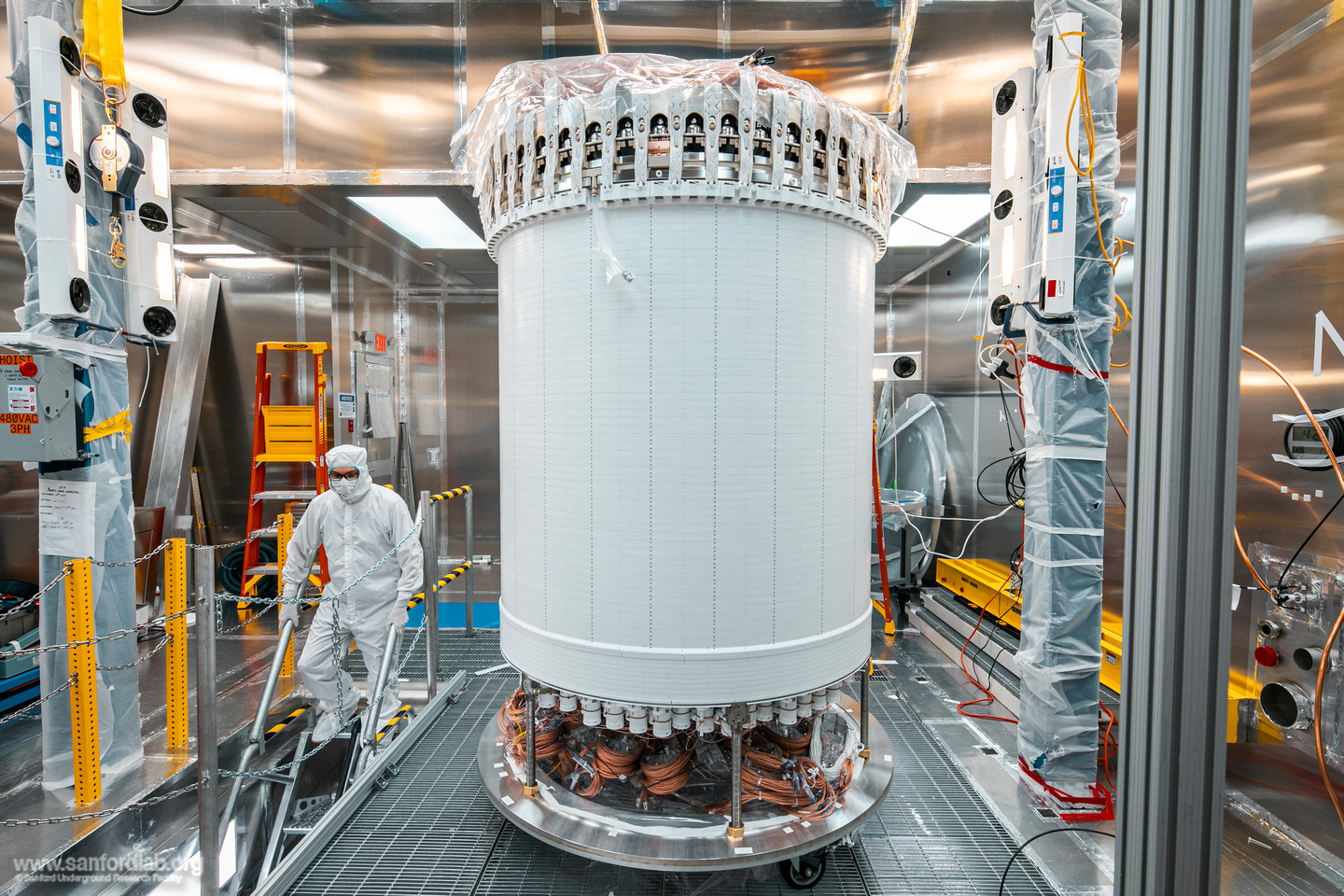
Image: Coolcaesar / Wikimedia Commons (CC BY-SA 4.0)