
Portugal approves €1.6 billion to rebuild its electricity distribution grid
The 2026-2030 investment plan for the high and medium voltage distribution network cleared the Council of Ministers on Thursday, aimed at absorbing more renewables and a fast-electrifying economy.
On 6 August the Council of Ministers signed off the development and investment plan for Portugal’s high and medium voltage electricity distribution network covering 2026 to 2030. The headline figure is €1.6 billion.
This is the unglamorous half of the grid. The long-distance high voltage corridors are the ones you notice crossing the countryside; medium voltage is what leaves the substations and reaches neighbourhoods, mid-sized factories and charging points. When a street loses power, this is usually where the fault sits.
Why the number climbed
Three pressures are arriving together. Renewable generation keeps growing, and rooftop solar in particular pushes electricity back into parts of a network built to send it one way. Electricity demand is replacing gas and diesel across transport and heating. And the weather has become less predictable, which means more extreme-heat days testing equipment specified for a milder climate.
The plan’s language about resilience and modernisation is a polite way of saying parts of the network are old, and that strengthening them now costs less than chasing cascading faults later.
How it fits the rest of the ledger
Grid spending runs on long timelines, and Portugal is carrying other commitments already, from rising public debt in the second quarter to the race for computing capacity behind projects like the advanced computing data centre in Guimarães — which is, incidentally, exactly the kind of customer that draws heavy, constant load.
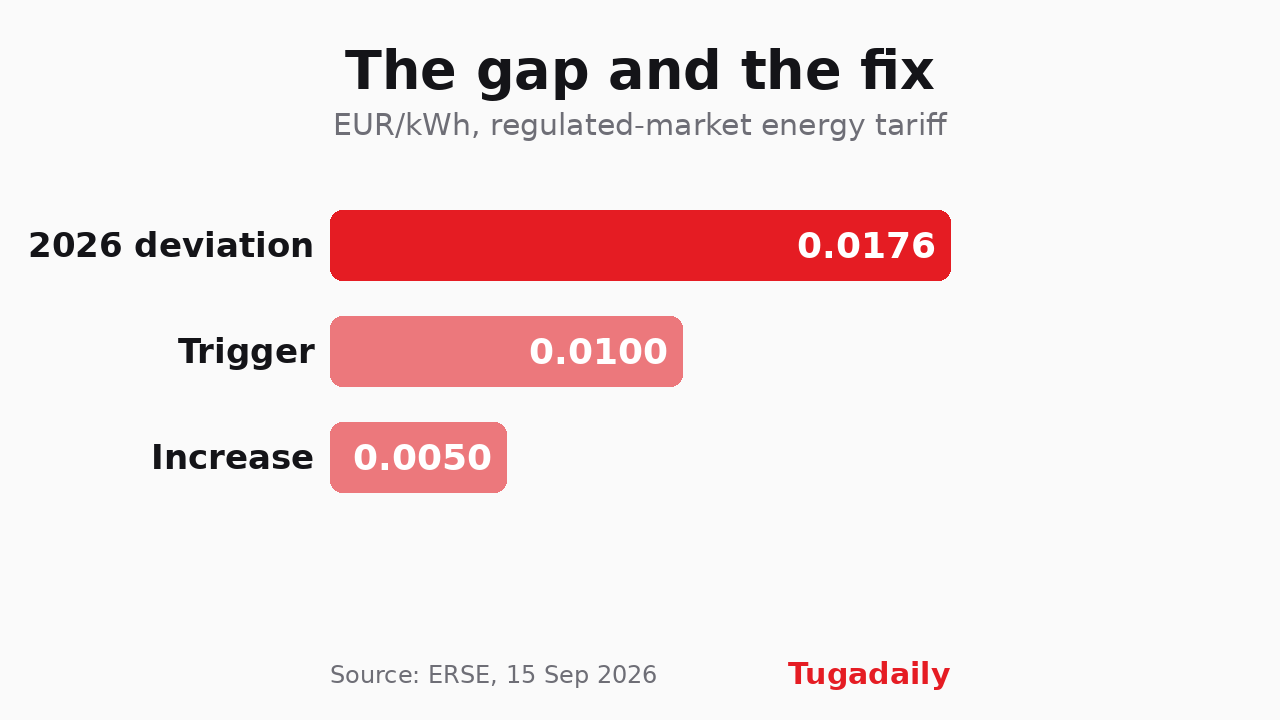
Households will not see anything change on next month’s bill. Multi-year plans like this feed into regulated tariffs gradually, and it is the regulator, ERSE, that decides how much of the investment reaches the final consumer. The Council of Ministers statement is published on the government portal.
By Beatriz Mota
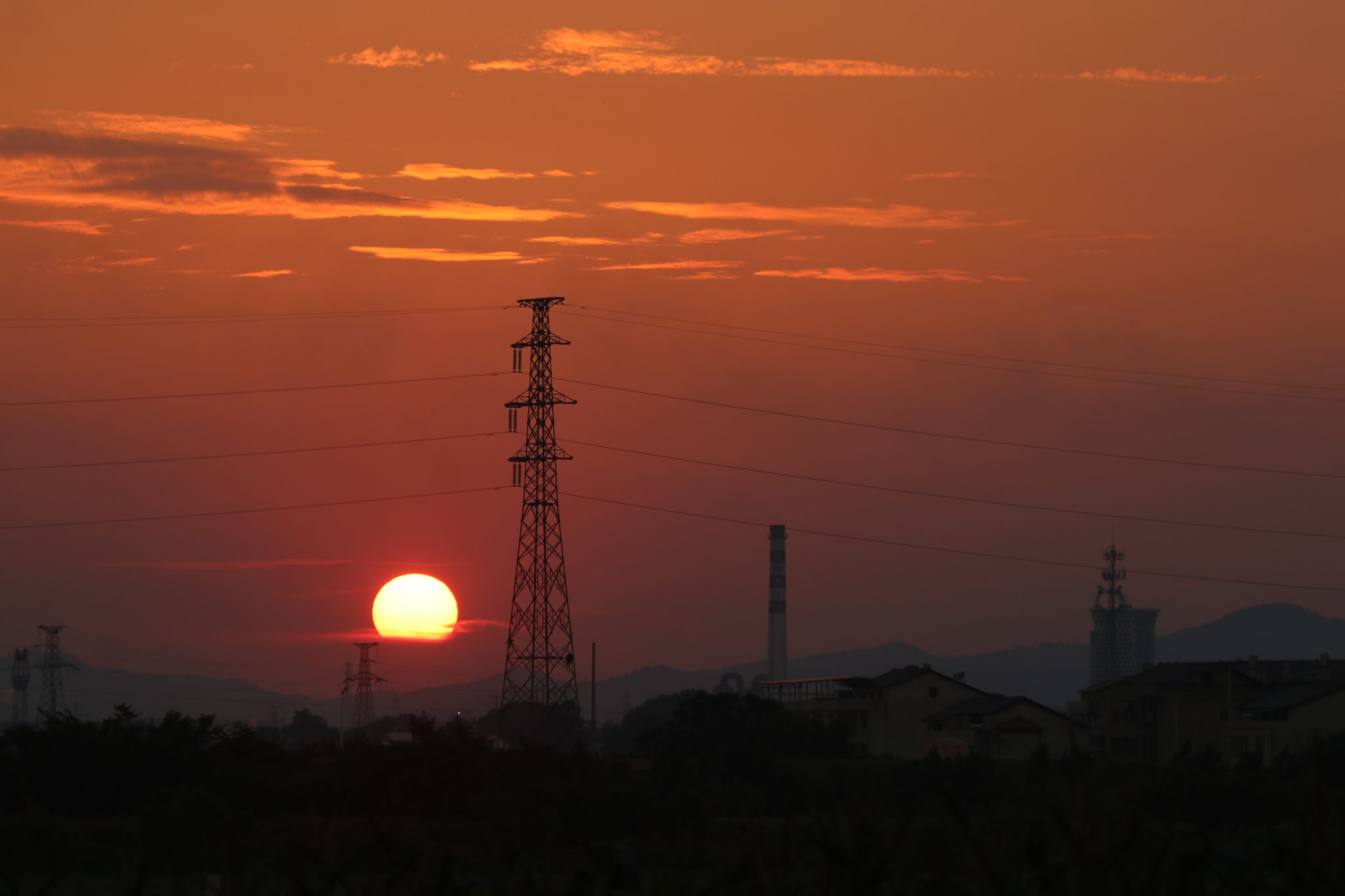
Illustrative · Photo: Brandon Zhang (CC0)