

The only Portuguese name in Venice's restoration line-up is not a film-maker
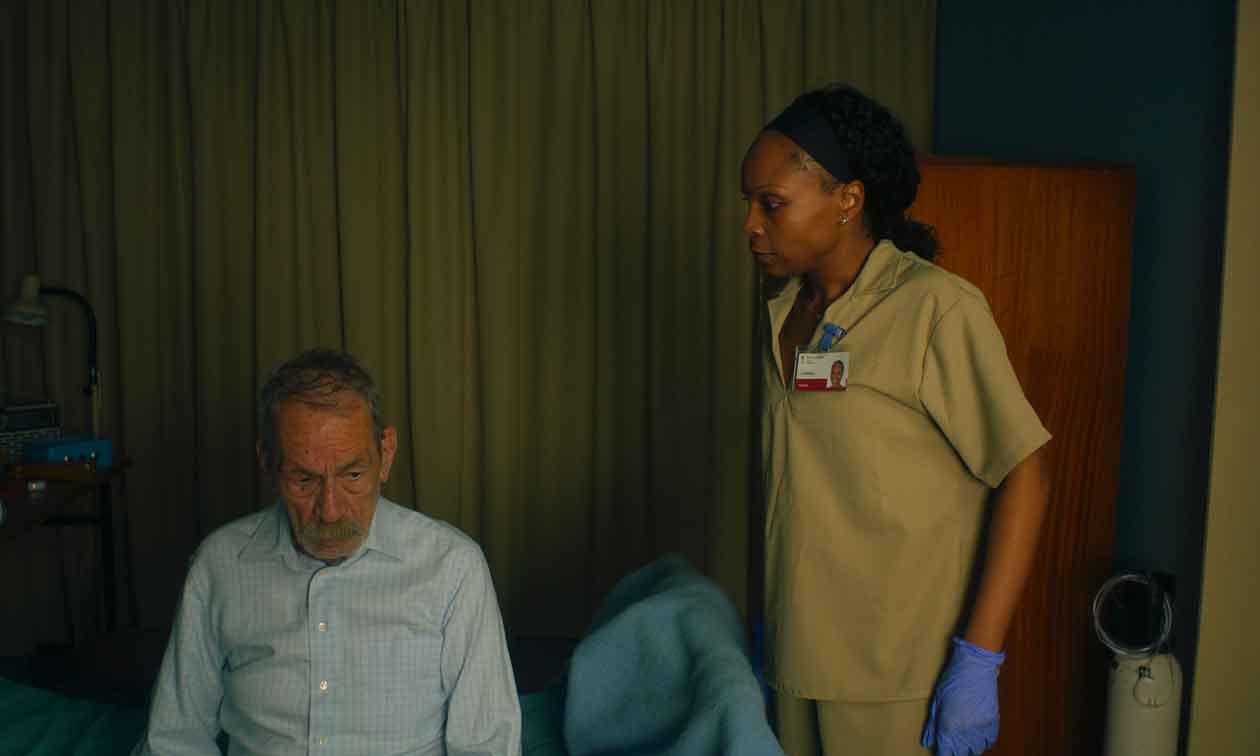
Cinemateca Portuguesa restored Flora Gomes's 1992 Guinea-Bissau feature Udju Azul di Yonta. It gets its world premiere in the Venice Classics strand in September.
Look for Portugal at Venice and the instinct is to scan the competition list for a director. This year the Portuguese entry sits further down the credits, on the line that names who restored the film.
Cinemateca Portuguesa – Museu do Cinema carried out the restoration of Udju Azul di Yonta, Flora Gomes’s second feature, shot in 1992 as a co-production between Guinea-Bissau, Portugal, France and the UK. It is one of 19 titles picked for the Venice Classics strand of the 83rd Venice Film Festival, according to the line-up published by La Biennale. Ninety-eight minutes, in colour, with the restored print premiering worldwide.
What Venice Classics does
The strand has run since 2012 and does something easy to describe and hard to pull off: it world-premieres the best restorations of classic films completed over the previous year by film libraries, cultural institutions and producers around the world. Alberto Barbera, the festival’s artistic director, curates it with Federico Gironi.
The company is heavyweight. The same line-up carries Ernst Lubitsch’s To Be or Not to Be, Roberto Rossellini’s Journey to Italy, Roman Polanski’s Cul-de-sac, Andrzej Wajda’s Ashes and Diamonds and John Cassavetes’s Minnie and Moskowitz. The restorations came out of Cineteca di Bologna, Museo Nazionale del Cinema in Turin, Studiocanal, Universal and the China Film Archive. And one Portuguese institution.
The prize is decided by students
Best Restored Film is awarded by a jury of 24 film students, each nominated by film-studies professors at Italian universities and at Ca’ Foscari in Venice. Director Daniele Vicari chairs it this year, the thirteenth time the strand has handed out its prize this way.
Gomes first reached Venice with his debut feature, a few years before Udju Azul di Yonta. His is a cinema made in Kriol that rarely turns up in European retrospectives, which makes the choice of what to restore about as interesting as the restoration itself.
The festival runs 2 to 12 September on the Lido. If you want the rest of the programme, the 20 films competing for the Golden Lion have already been named.
By Lucy Bennett
Photo: Mike Dickison / Wikimedia Commons (CC BY 4.0)