

Portuguese cinema lands on HBO Max this August, from Mau Mau Maria to 1618
Several Portuguese feature films join the HBO Max catalogue in August 2026, including Mau Mau Maria, O Amor é Lindo… Porque Sim! and the historical drama 1618.
Portuguese films in an international catalogue are usually the pleasant exception announced once a year. In August, HBO Max opens the door to several at once: the comedy Mau Mau Maria, the Lisbon romance O Amor é Lindo… Porque Sim!, and the historical drama 1618, a co-production set during the Inquisition in Portugal.
This deserves more attention than it tends to get. The average Portuguese film gets two or three weeks in cinemas, lives on the festival circuit, and then vanishes into a limbo where it only exists if somebody thinks to go looking. Landing in a streaming catalogue with international distribution is the difference between having had a release and continuing to exist.
Which Portuguese films are joining HBO Max this month?
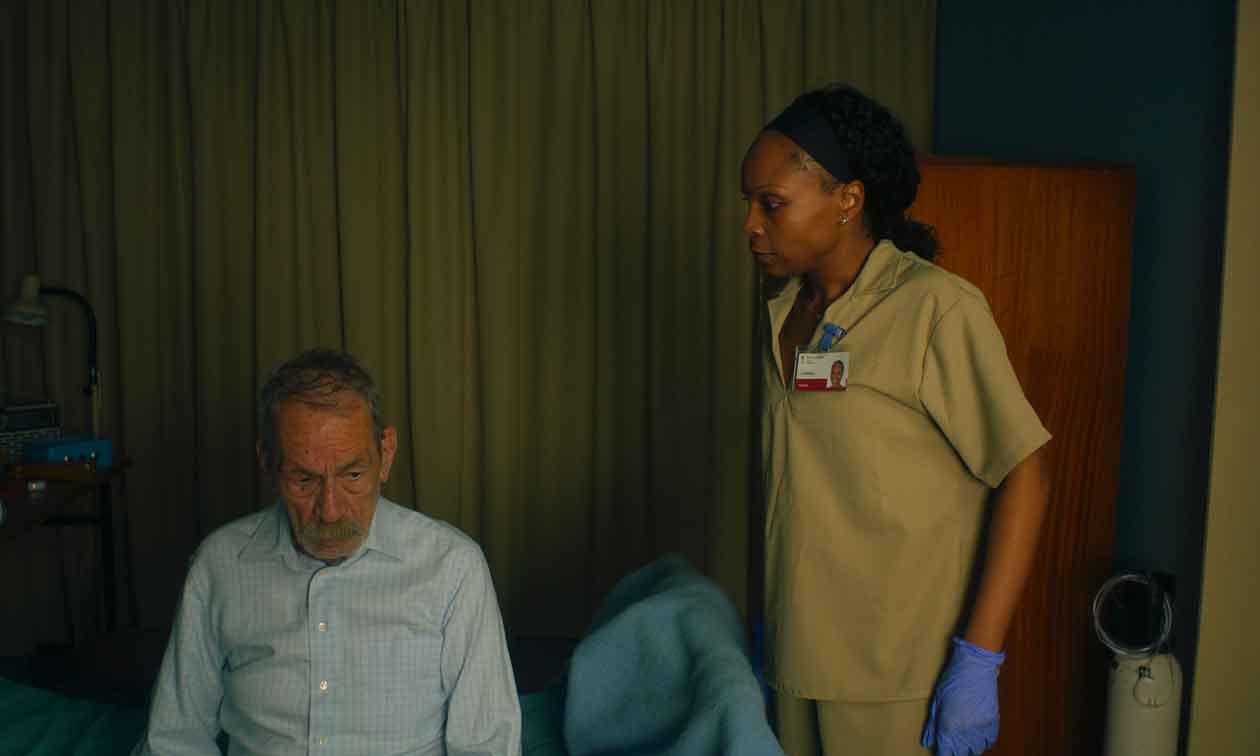
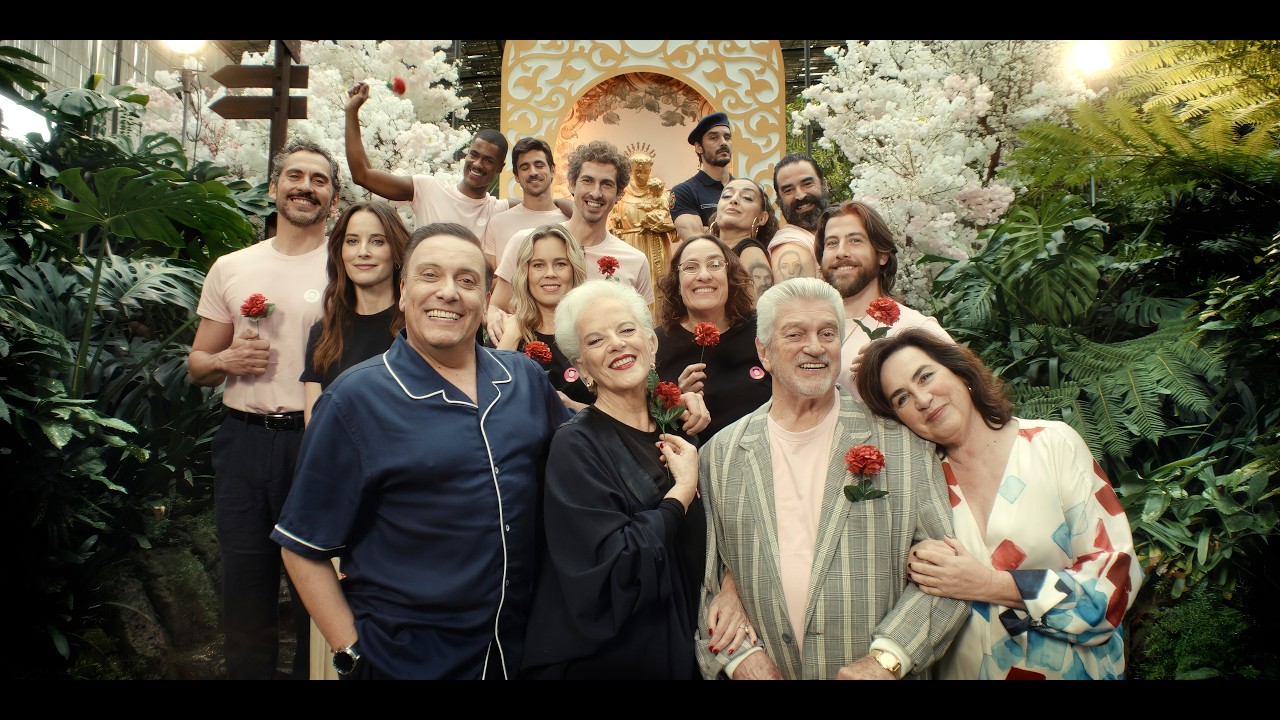
Three titles in completely different registers, which is itself a good sign — this is not a themed bundle, it is proper catalogue. Mau Mau Maria plays broad comedy. O Amor é Lindo… Porque Sim! is urban romance with Lisbon playing itself. And 1618 is the most ambitious of the set: a historical drama about the Inquisition, a period Portuguese cinema rarely touches and almost never head-on.
What else is on the August slate?
Two big releases are doing the subscription-pulling: George Miller’s Furiosa: A Mad Max Saga, and the series Lanterns, arriving on 17 August with Hal Jordan and John Stewart at the centre of an investigation set on Earth. Anyone who would rather finish stories than start them has Netflix closing out One Hundred Years of Solitude and saying goodbye to the Pogues across the same month.
The full catalogue and release dates are on the official HBO Max site.
If the algorithm puts a Portuguese film in front of you this August, give it the first ten minutes. That is roughly how an audience gets built.
By Lucy Bennett
Image: Kevin Paul / Wikimedia Commons (CC BY 4.0)