
Évora's eastern bypass is finally open (and the 40% traffic cut is still only a forecast)
12.8 kilometres of dual carriageway now link the A6 junction to the EN18 at São Manços, built with 54.9 million euros of EU recovery money. The drop in city-centre traffic is the council's projection, not a measurement.
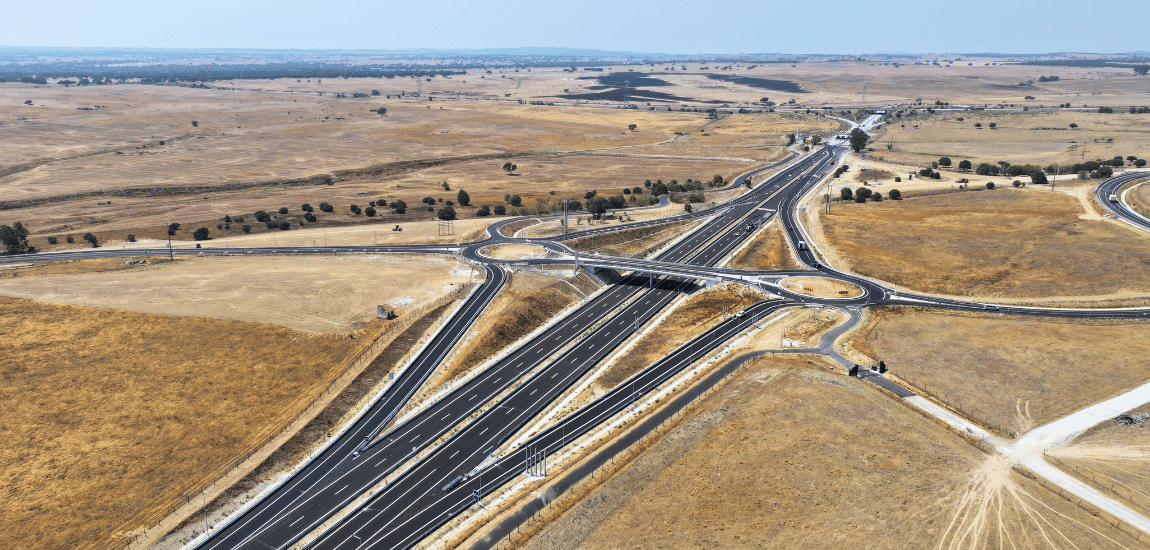
Drive to the Alentejo this weekend and you no longer have to go through Évora. The new eastern bypass on the IP2 opened to traffic on Thursday: 12.8 kilometres of motorway-standard road, two lanes each way, joining the A6’s Évora Nascente junction to the IP2/EN18 near São Manços.
It cost 54.9 million euros, paid for out of Portugal’s EU-funded Recovery and Resilience Plan. What it closes is a gap that pushed traffic between southern Portugal, Spain, Lisbon and the north straight into the street grid of a UNESCO-listed city, lorries included.
How much traffic actually leaves the city
It is worth separating what has been built from what has been predicted. The road exists and it is open. The figure doing the rounds — a 30% to 40% fall in car traffic inside Évora — is the city council’s own estimate, made before the bypass had recorded a single day of counts.
That is not a number pulled from nowhere. It is a reasonable projection from where the through-traffic starts and ends. It is still a projection. The real figure needs a few months of data, and the sharpest change should be in heavy goods vehicles, which are the ones a historic centre feels most.
The other 700 million
The bypass does not arrive alone. Infraestruturas de Portugal announced in the same week that it will put 700 million euros into the Alentejo by the end of 2028, spread across the region’s three districts and across both road and rail.
For a region with few people and a lot of kilometres, that is the difference between a project and a programme. As with the Glória funicular, which is not due to reopen until 2029, the calendar is usually the part that moves. We have put 2028 in the diary.
Image: Infraestruturas de Portugal