Democrats need four Senate seats on Tuesday. These are the races where they could find them
Americans vote on 3 November for all 435 House seats, 35 Senate seats and 36 governors. Republicans hold the Senate 53-47. In Lisbon, the first polls close at 11pm on Tuesday and the last, in Alaska, around 6am on Wednesday.
Americans go to the polls on Tuesday, 3 November, in the first nationwide election since Donald Trump returned to the White House. All 435 seats in the House of Representatives are up, along with 35 Senate seats (the 33 senators whose terms end in 2027 plus special elections in Ohio and Florida) and 36 governorships.
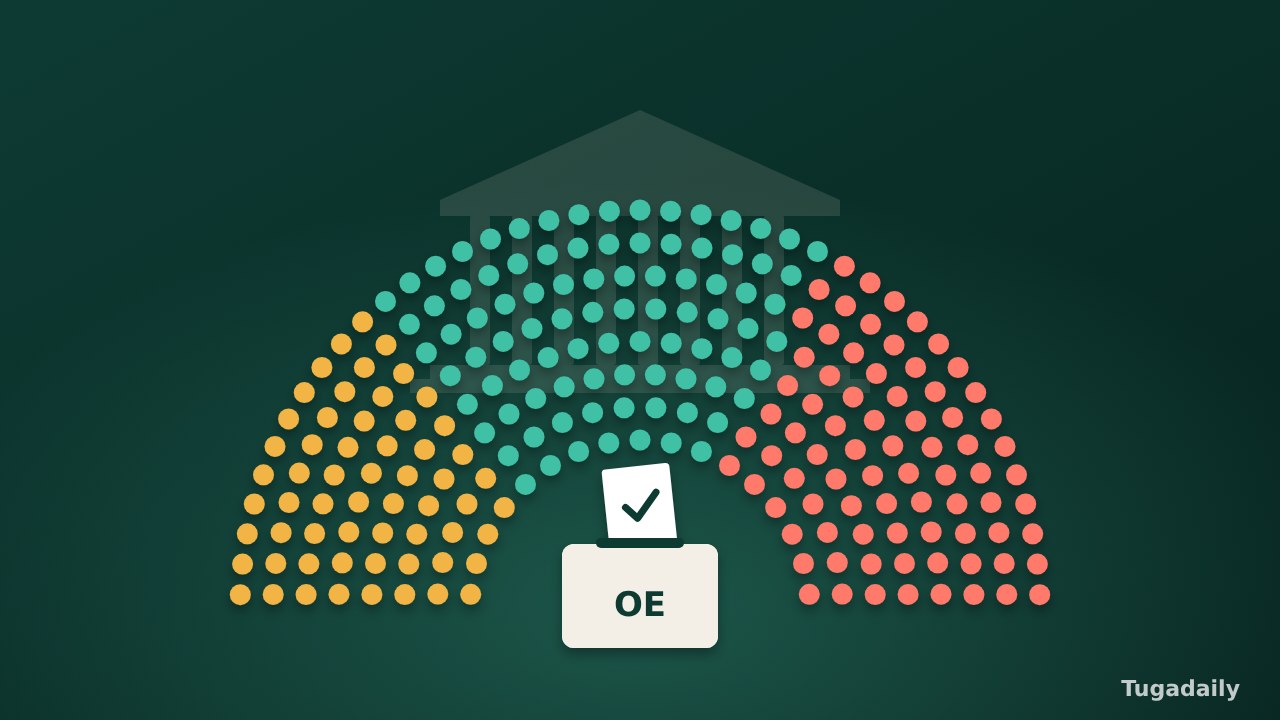
The number to watch is four. The Senate splits 53 Republicans to 47 Democrats, so Democrats need a net gain of four seats to take control. The House margin is even thinner: Republicans hold 218 seats to 214, with vacancies, and on the most widely quoted maths Democrats need roughly four there too.
Where the Senate will be decided
Independent ratings put about a dozen races in play, and the map forces Democrats to win in states Trump carried in 2024.
In Maine, Republican Susan Collins is defending her seat against Troy Jackson, who replaced Graham Platner as the Democratic nominee. In Ohio, former senator Sherrod Brown is trying to come back against Jon Husted, who was appointed to JD Vance’s old seat. In Texas, attorney general Ken Paxton, who knocked out John Cornyn in the primary, faces Democrat James Talarico.
Alaska pits Dan Sullivan against Mary Peltola under ranked-choice voting, and Iowa has an open seat between Ashley Hinson and Josh Turek. On defence, Democrats have to hold Michigan (Abdul El-Sayed against Mike Rogers), New Hampshire and Georgia, where Jon Ossoff is running again. In North Carolina, former governor Roy Cooper is going for a seat Republicans have held.
Tens of millions have already voted
Early and mail voting had passed 35 million ballots by Friday, according to published tallies. Texas alone stood at 5.2 million, against 3.4 million at the same point in 2022. The University of Florida Election Lab updates the totals state by state until polling day.
It has been trending too: “early voting” sat among the top US searches this week, while names such as Haley Stevens and Joe Manchin were among the most-discussed subjects on X.
When results land in Portugal
US clocks went back on 1 November, so the East Coast is five hours behind Lisbon. The first polls (in parts of Indiana and Kentucky) close at 11pm Lisbon time on Tuesday, and much of the East Coast follows between midnight and 1am. Hawaii and Alaska close between 5am and 6am on Wednesday.
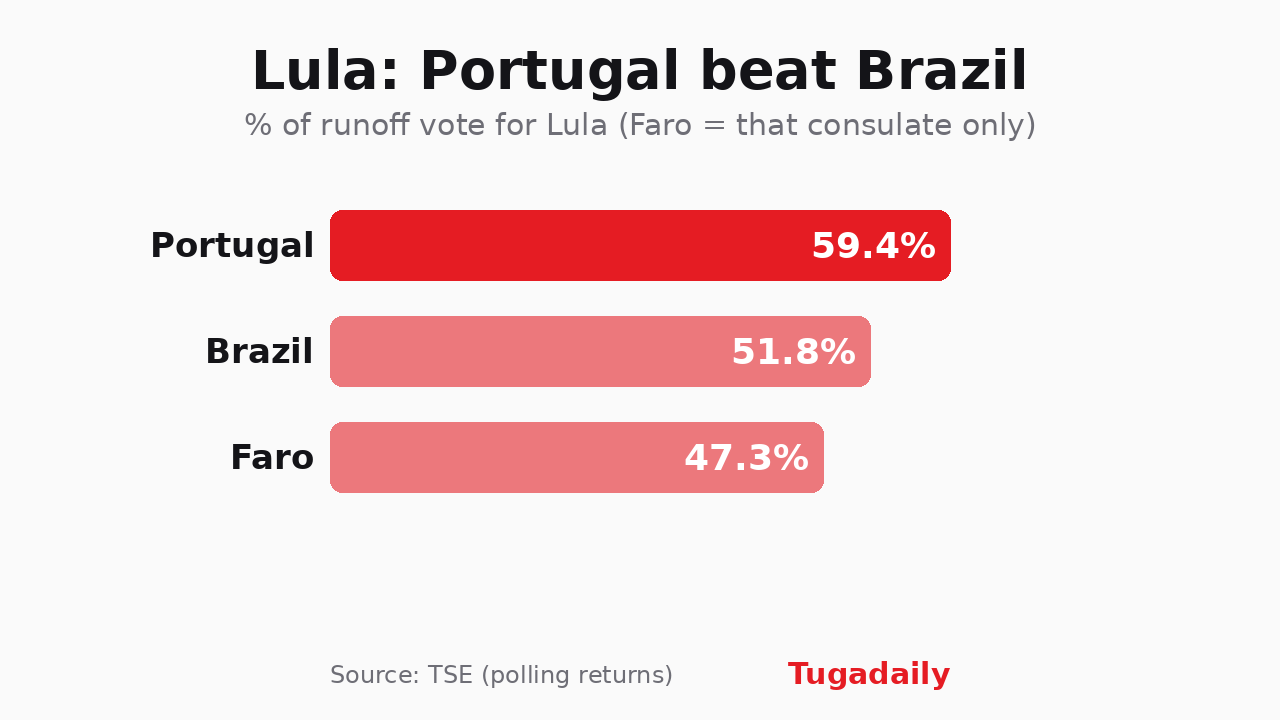
Senate control may be clear before dawn, but it is not guaranteed. Alaska runs its ranked-choice count days later, and close races elsewhere can go to recounts. There is no single national figure to call, unlike Brazil, where an electronic count delivered Lula’s narrow re-election within hours. In the US, every state counts its own way and at its own pace.
Image: Ktkvtsh / Wikimedia Commons (CC BY 4.0)