Building a new home in Portugal costs 7.4% more than a year ago, and site diesel is up 35%
INE's new-housing construction cost index rose 7.4% in September. Materials are now up 7.2%, the fastest since February 2023, driven by diesel, copper wire, bitumen and PVC pipes.
Building a new home in Portugal cost 7.4% more in September than a year earlier, according to the construction cost index for new housing from INE, the national statistics office. The headline figure is not new (June hit 7.4% too). What sits underneath it is.
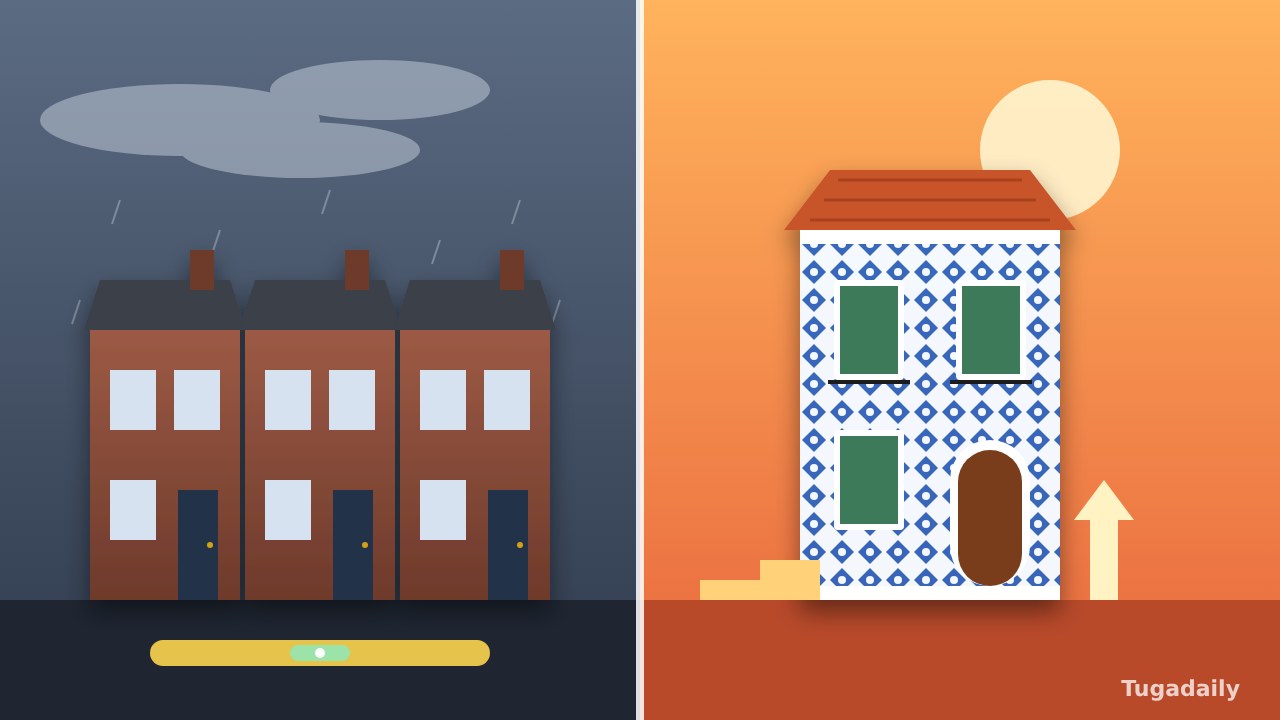
A year ago, almost all of the pressure came from wages. Materials were barely moving, up 1.4%. Now they are rising 7.2%, the fastest pace since February 2023, and they now add as much to the increase as labour does.
Which building materials got more expensive?
Diesel leads the list. INE says the fuel that runs diggers, cranes and concrete trucks was about 35% dearer than in September 2025. Copper wire is up roughly 30%, the bitumen used for waterproofing and paving about 25%, and PVC pipes about 20%. Of everything INE tracks, only limestone and granite tiles and stonework got cheaper, and only slightly.
Labour is still climbing too, up 7.7% in a year. Splitting the total, INE credits 3.8 percentage points to materials and 3.6 to labour.
What does a 7.4% rise mean for a real project?
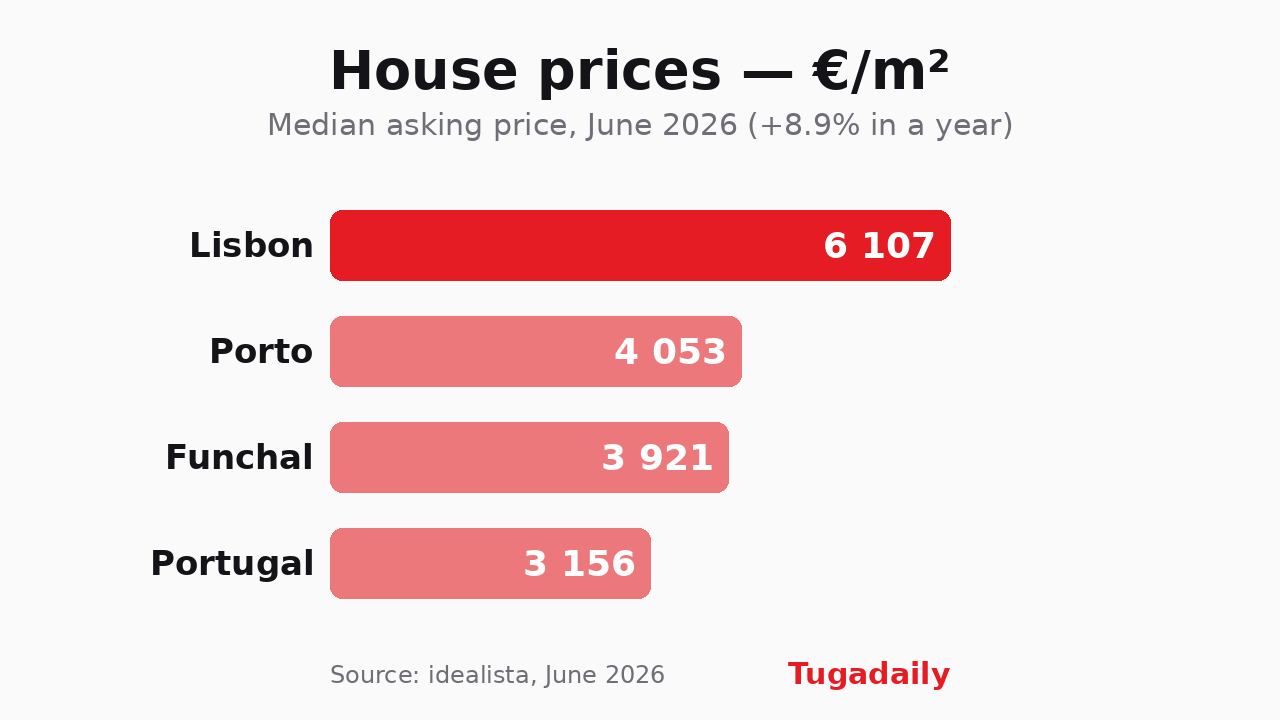
On our maths, a job budgeted at €100,000 in September last year would now cost about €107,400 on these costs alone. Go further back and the index sits almost 36% above its 2021 average. Developers try to pass that on in the asking price, which is one more piece of the puzzle behind Portugal’s house prices still climbing.
One caveat: the index measures what it costs to build, not what new homes sell for. Land, permits and the seller’s margin all sit on top.
When is the next reading?
July to September are still provisional and usually get revised by a tenth or two. The next release lands on 10 December, with October’s data. With oil moving around, the diesel line is the one to watch.
Image: Nuno Morão / Wikimedia Commons (CC BY-SA 2.0)