Canva's way out: six months' pay, the MacBook, and $10,000 to start something new
The Australian design platform is cutting 1,271 jobs, 22% of its staff, after its growth slowed for the first time in a decade. The exit package (at least six months' pay, a year of healthcare, the laptop and a no-strings $10,000 fund) became LinkedIn's case study of the week.
Canva is letting go of 1,271 people, 22% of its workforce, in a note from co-founder and CEO Melanie Perkins that the company posted in its newsroom. The headcount was confirmed by TechCrunch. By our maths, that puts the Australian company at roughly 5,800 people before the cuts.
The size of the layoff isn’t why everyone’s talking about it. The leaving package is.
What are laid-off Canva employees getting?
A minimum of six months’ pay, with statutory entitlements counted inside that floor, wherever the person works. Then:
- 12 months of continued health cover, in countries where Canva already provided it;
- one-to-one career coaching, interview prep and a year of LinkedIn Premium;
- the company MacBook, which they keep;
- for anyone who joined in the past year, the one-year vesting cliff on their equity is scrapped;
- and the Canva Collective Fund, where departing staff can apply for $10,000 towards an idea, a business or a project, with Canva taking no stake in whatever comes of it. Applications close on 14 December.
That last line is what turned Perkins’s note into LinkedIn’s favourite example of a layoff done decently. Canva hasn’t said how many grants it will hand out.
Why is Canva cutting jobs?
Because growth slowed for the first time in a decade, in Perkins’s own words, in what she called the company’s hardest year yet. Back in August, Canva had already trimmed its revenue growth forecast for 2026 from 30% to 20%, and early investors had marked its valuation down to about $35 billion.
AI is a big part of the story. The image tools built into ChatGPT and Gemini now knock out posters and slide decks, which is Canva’s bread and butter. Running AI is expensive too, so the company has been training its own models to lean less on outside ones.
What changes at Canva next?
Product, growth and platform teams merge into one, with fewer narrow specialists and more people covering broader ground. Work goes hybrid, with a few office days a week, and Sydney becomes home to more of the product teams.
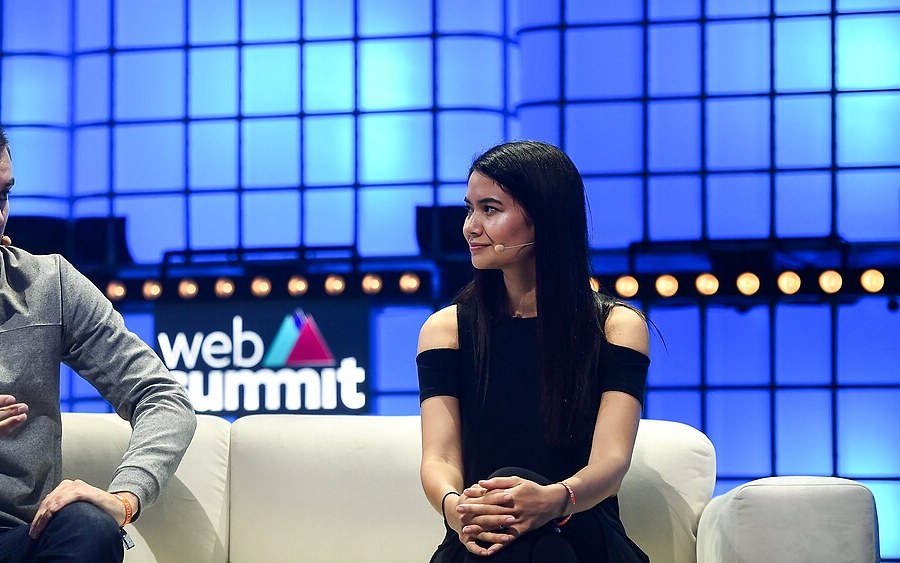
Perkins knows Lisbon’s biggest tech stage well, having sat on Web Summit’s Centre Stage in 2019. This year’s edition, with two Chinese robots on its speaker list, opens today, and what AI is doing to jobs is right at the heart of the programme.
By Beatriz Mota
Image: David Fitzgerald / Web Summit via Sportsfile / Wikimedia Commons (CC BY 2.0), cropped by Tugadaily