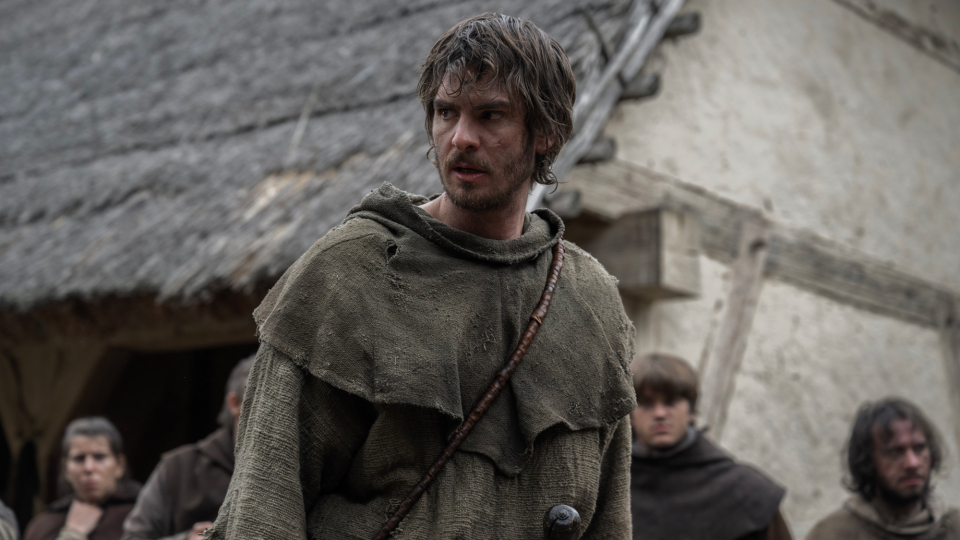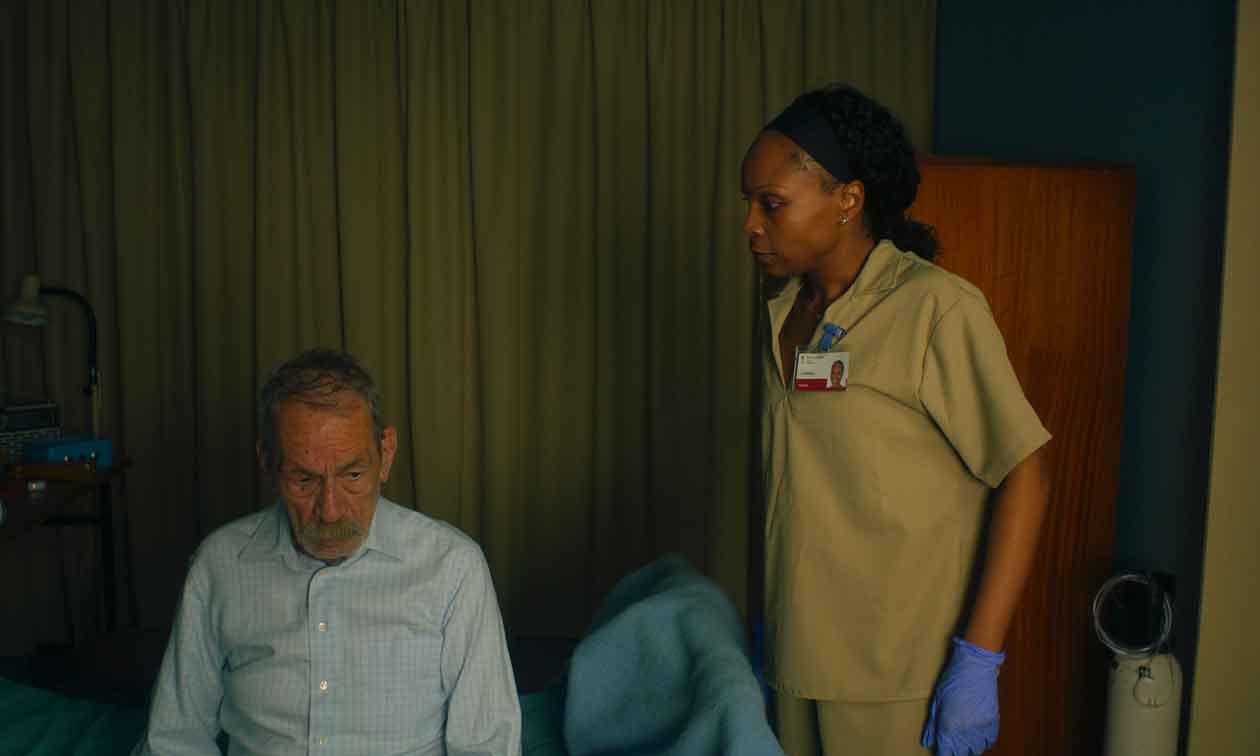


Basil da Cunha's last film shot in Reboleira opened in Portuguese cinemas on Thursday
O Jacaré premiered in competition at Locarno in August and reached Portugal on 3 September. Ninety-two minutes in Creole and Portuguese, built around €180,000 that vanished.
O Jacaré opened in Portuguese cinemas on Thursday. It is the new feature by Basil da Cunha, the Swiss-Portuguese director born in Morges, and it had its world premiere in August in the international competition at the Locarno Film Festival — his third film in that section, after O Fim do Mundo in 2019 and Manga d’Terra in 2023.
The story begins with a robbery that goes wrong. A car crashes inside the estate, the driver is arrested, and the €180,000 that was taken simply disappears. Police seal the perimeter, and that is where the film really starts: inside a cordoned-off street, with everyone working out where the money went and inventing the rest. One of the rumours doing the rounds is that somebody saw an alligator wandering the neighbourhood.
A neighbourhood on its way out
Reboleira is not a backdrop. Da Cunha has been shooting there since 2009, and on his producer’s site he says he has spent more than fifteen years in a neighbourhood built by Cape Verdean immigrants on the edge of Lisbon that is now slated for demolition. His own framing is plain: before it went, everyone had to be brought together for one last dance. That is why the film behaves like a gathering — an ensemble cast, almost all of them residents, in which nobody is an extra.
Alexandra Sena, Alexandre da Costa Fonseca, Paulo César Lima Fonseca, Nelson Carvalho and Pedro Diniz carry it. Carloto Cotta and Filipe Vargas turn up in special appearances. It runs 92 minutes in Cape Verdean Creole and Portuguese, a co-production between Portugal, France and Switzerland.
The register has changed
Anyone expecting the weight of the earlier films will find something else. The director describes O Jacaré as a summer film, bright and loose, carrying the energy of 1990s American crime pictures with 1970s Cape Verdean music underneath — comedy and freedom rather than indictment. The synopsis, the cast and the director’s notes sit on the producer’s page, including the passage about the demolition.
It is not the only sign of Portuguese cinema travelling this year: in August we wrote about a restoration out of the Cinemateca among the classics Venice chose to show, also tied to Lusophone memory.
Da Cunha is now developing a series, Public Enemy, and preparing Furia, a superhero film that grows out of the same estates. Reboleira itself gets 92 minutes.
By Lucy Bennett
Image: Thera Production / O Jacaré