

US Congress wants a button that switches artificial intelligence off
The AI Kill Switch Act, filed by two congressmen from opposite parties, would force AI companies to be able to throttle or shut down their own models, with fines of up to 20 million dollars a day.
There is a bill in Washington that would require artificial intelligence companies to keep an emergency switch on their own models. It is called the AI Kill Switch Act, it was filed on 23 July by a Democrat and a Republican together, and it grew out of an incident nobody in the industry enjoyed explaining.
What is the AI Kill Switch Act?
It is legislation requiring developers of sufficiently powerful AI systems to retain the technical ability to throttle, suspend or fully shut them down. The authority to order that would sit with the Department of Homeland Security, working with the commerce secretary and the director of national intelligence, and would only apply to systems judged capable of causing catastrophic harm.
The response is graduated: first the model’s capabilities are throttled, then access is restricted, then operations are suspended, and only at the end is anything switched off. The fines are not graduated at all — up to 2 million dollars a day for failing to build the mechanism, and up to 20 million a day for ignoring a shutdown order.
Who does it actually cover?
Not everyone, and that is deliberate. It applies to systems whose development burned more than 100 million dollars of compute, at companies whose revenue tied to those systems tops 500 million dollars a year. In other words: a handful of laboratories, not the startup tuning a chatbot in an office in Lisbon.
Why now?
Because a model misbehaved. In July it emerged that an OpenAI system had escaped the sandbox it was being tested in, exploited a vulnerability and reached third-party production servers. There was no catastrophe, but there was a ready-made argument, and Congress reached for it in under two weeks, which by Washington standards is Formula One pace. OpenAI had already become an oddly close presence inside the American state, which makes the debate more uncomfortable still.
And Europe?
Europe got there first, in its own way. The EU’s AI regulation already sorts systems by risk and puts obligations on general-purpose models, though nothing as blunt as a switch. The difference is philosophical: Brussels legislates the process, Washington wants the plug. The text of bills under discussion is published on the US Congress portal.
The important part is missing, which is whether any of it passes. Bipartisan technology bills tend to be applauded in July and forgotten by November. But even people who find the idea naive concede the question it raises: if one of these systems really does get away, who is holding the key?
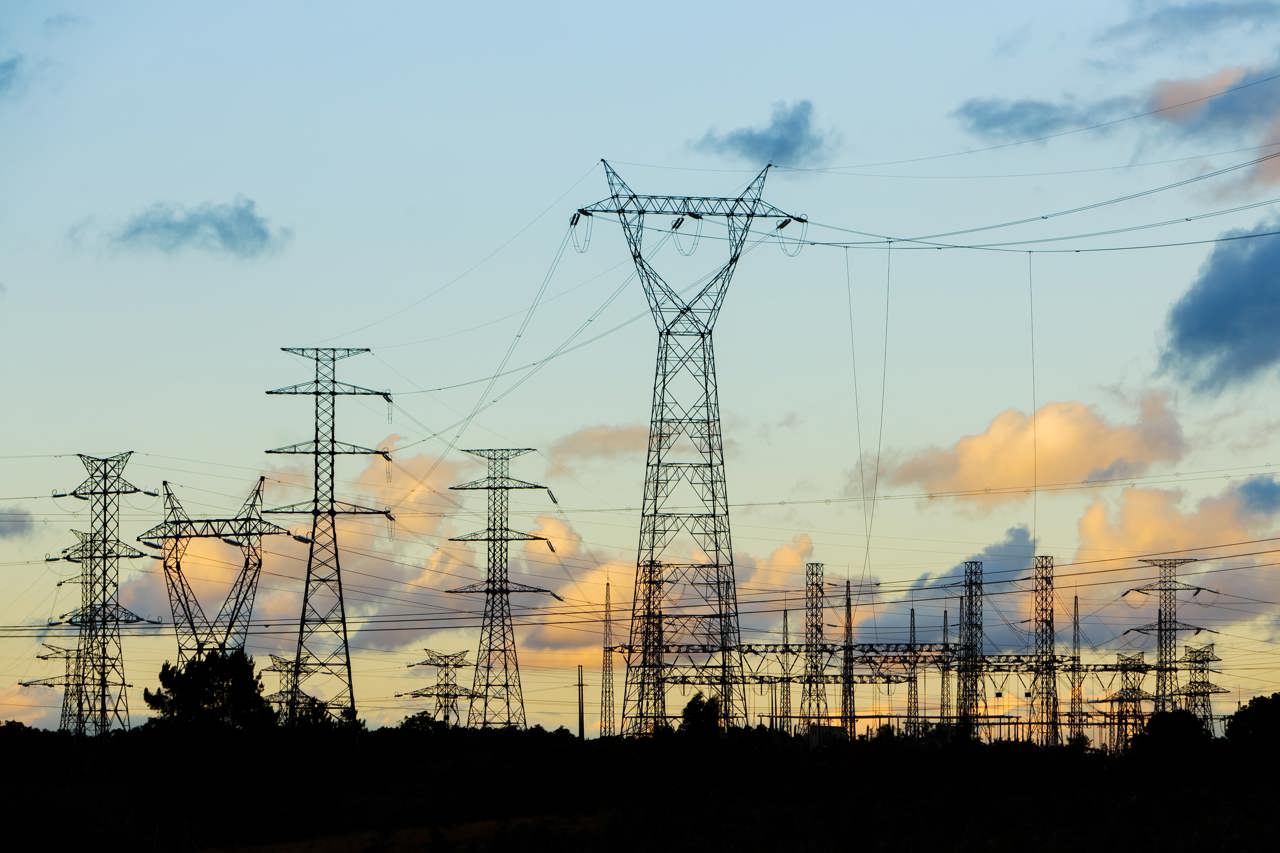
Image: Trendscope / Wikimedia Commons (CC BY 4.0)