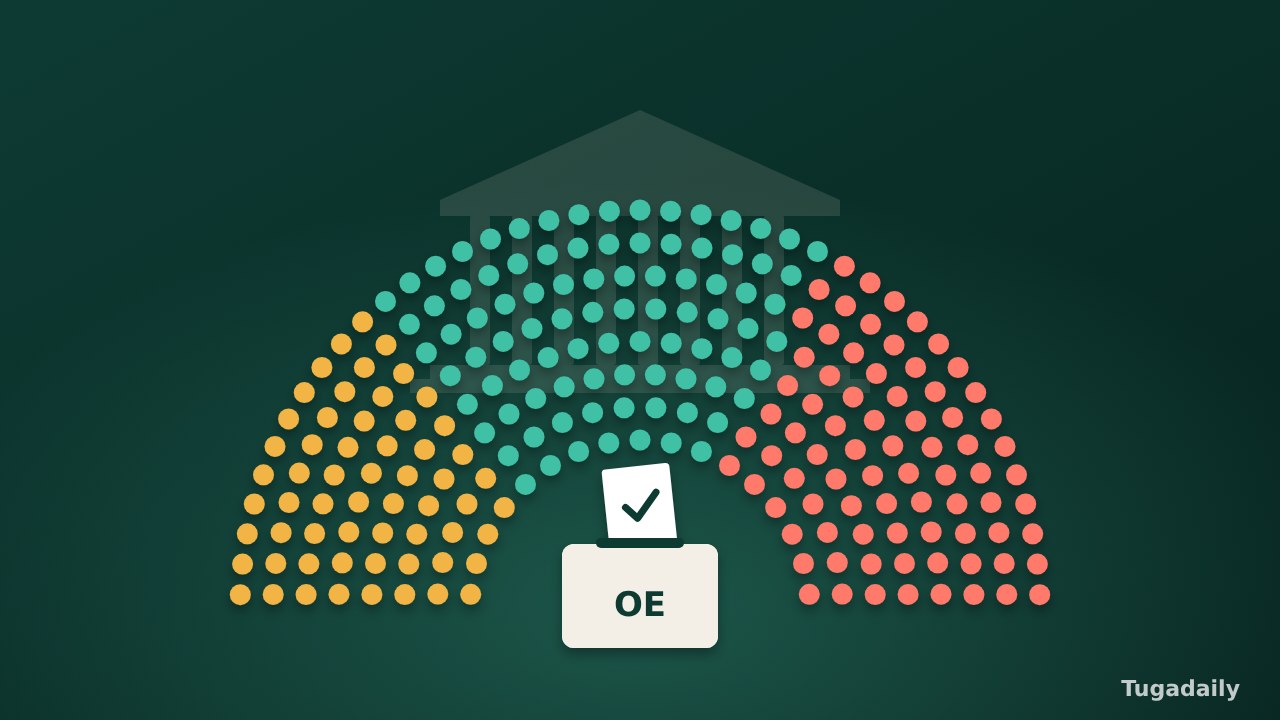
Democrats win both houses of Congress, flipping seven Senate seats
In the 3 November midterms Democrats took Senate seats in Texas, Kansas, Maine, South Carolina, North Carolina, Iowa and Ohio and won back the House. Susan Collins conceded in Maine. Trump says he will work with them, and reminds them he has the veto.
Democrats will run both chambers of Congress from January. US networks projected the House for them at about 10.40pm on Tuesday in Washington (3.40am in Lisbon) and the Senate roughly an hour later, on a night when the president’s party lost seats in states it had not lost in a generation.
Going in, Democrats needed a net gain of four Senate seats. They gained seven.
Seven seats changed hands
Texas is the one people will remember. James Talarico, a 37-year-old state representative and former teacher, beat Attorney General Ken Paxton to become the state’s first Democratic senator since 1988. Paxton had knocked out Senator John Cornyn in the primary with Trump’s endorsement, and the race turned into the most expensive of the cycle.
In Kansas, Methodist pastor Adam Hamilton unseated Roger Marshall, something no Democrat had managed there in almost a century. Maine’s Susan Collins, a five-term senator who chairs the Appropriations Committee, lost to Troy Jackson, a logger and former state senate president. She called him to concede.
The rest of the list: Annie Andrews in South Carolina (against Darline Graham, sister of the late Lindsey Graham), Roy Cooper in North Carolina, Josh Turek in Iowa and Sherrod Brown in Ohio, back two years after losing his seat. Democrats also held Georgia and New Hampshire. Michigan was leaning towards Abdul El-Sayed but had not been projected when we published.
What changes in Washington
The Senate decides which presidential nominees get through, judges and ambassadors included. The House brings the investigative committees. The top Democrat on the Oversight Committee put the plan in a two-word statement: “Lawyer up.”
Trump said he was “a little bit surprised” and blamed Republican candidates. He promised to work with Democrats, possibly on immigration, while describing the veto as one of the strongest powers a president has. Exit polls put his approval at 38%, the lowest recorded for a president at a midterm.
For Europe the read is practical. Treaties, ambassadorial confirmations and foreign aid packages all go through a Senate that changes leadership in January. Until then, the current make-up is on the Senate’s own party division page. Final results are certified state by state over the coming weeks.
Illustration: Tugadaily