

Estate agencies just had their best half-year ever and still can't find houses to sell
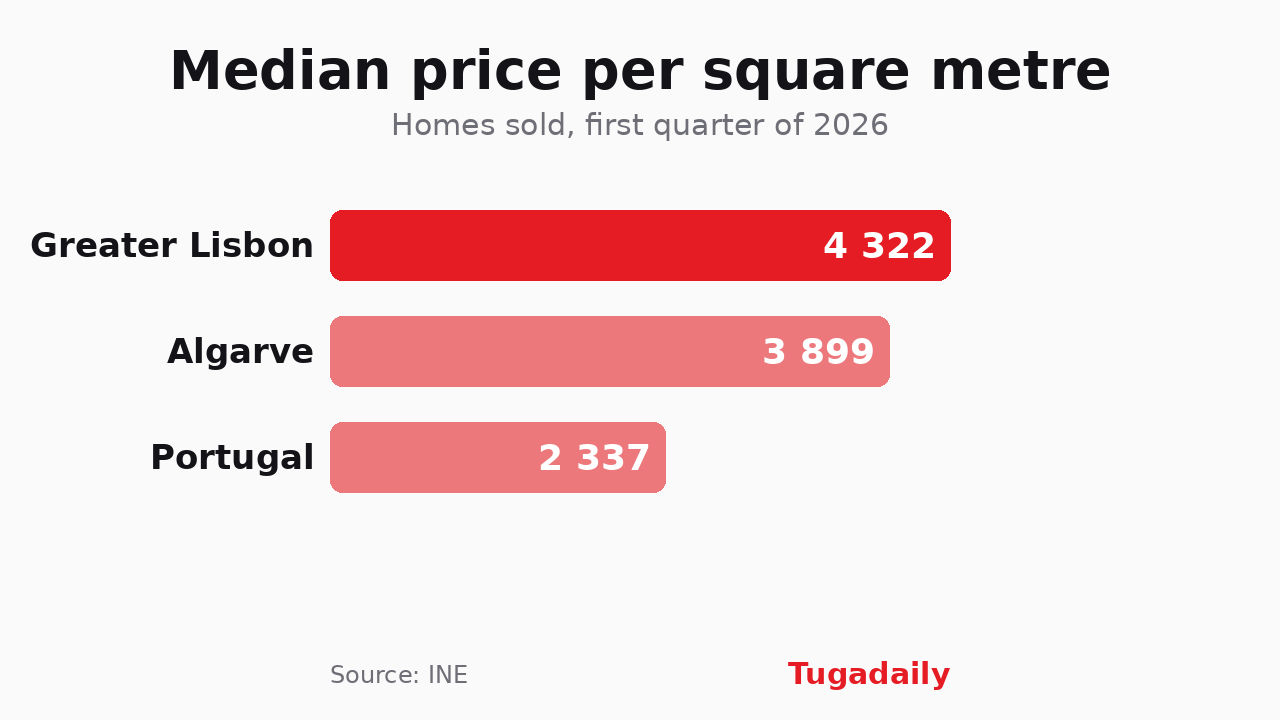
The first half of 2026 was historically strong for estate agencies in Portugal, even as the stock of homes for sale fell 14% in the first quarter. The housing deficit is estimated at 800,000 to one million homes.
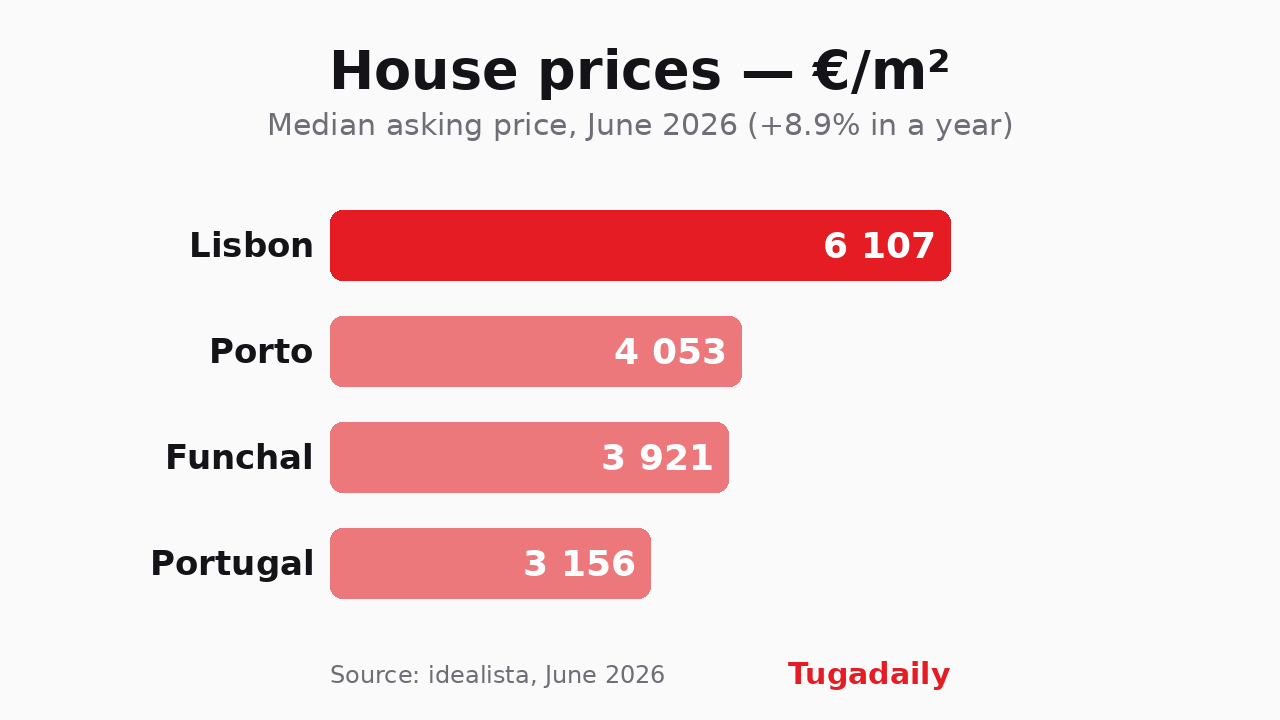
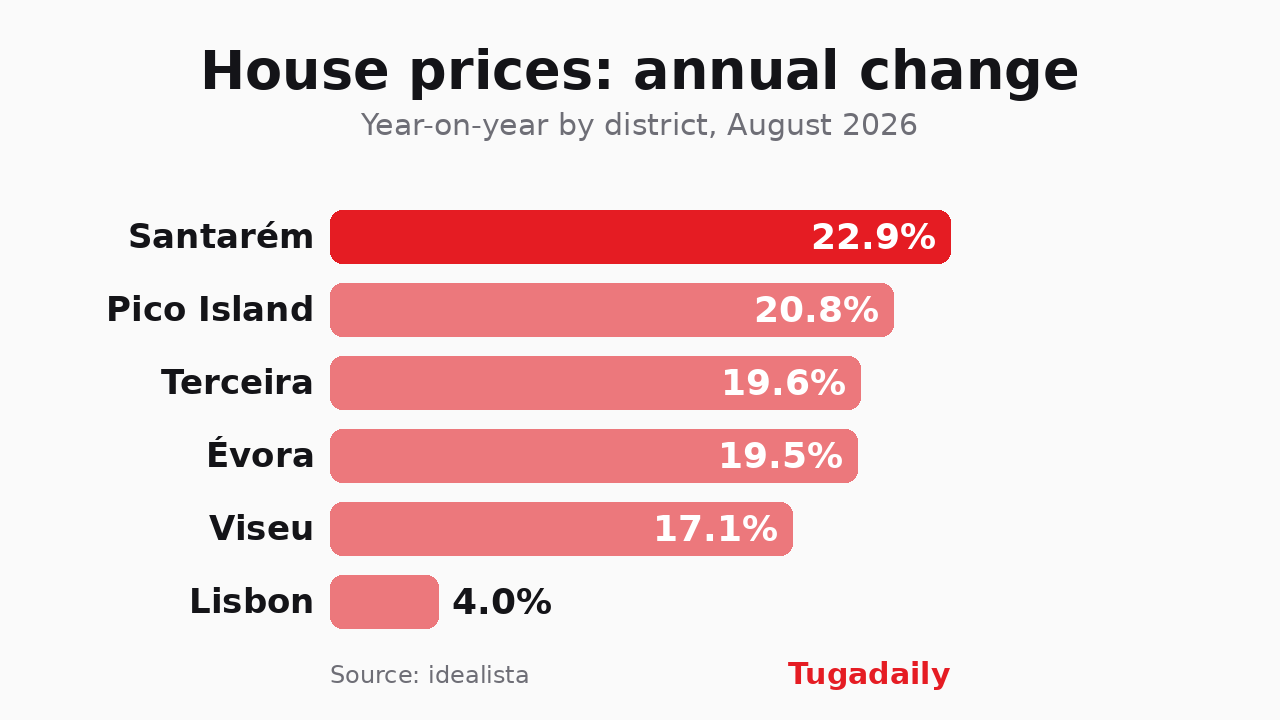
There is a paradox in Portuguese property that has stopped being a paradox: estate agencies have just closed the best half-year in their history while complaining they have nothing to sell. Both are true at once, and that is precisely why prices refuse to stop.
Official market figures are not out until 22 September, but the networks are already describing historic growth over the first six months. The backdrop is severe scarcity: in the first quarter, the stock of homes available for sale fell 14% against the same period a year earlier.
Why are there so few houses for sale in Portugal?
Because new construction never caught up with demand. The housing deficit is estimated at 800,000 to one million homes, counting public housing, new build and the rehabilitation of existing stock — a number no single political cycle resolves. Demand, meanwhile, stays robust, fed by rising incomes, more accessible credit and foreign buyers.
The supply squeeze is uneven. Faro lost 38% of its for-sale stock, Portalegre 31%, Funchal 26% and Porto 25% — the Algarve and the two metropolitan areas, which is exactly where demand runs hardest. We showed the other face of the same equation when rental supply fell 22% and every listing started pulling 24 enquiries.
What does this mean if you want to buy?
Less choice and more hurry. As stock shrinks, the gap between a listing appearing and an offer landing gets shorter, and anyone entering the market without pre-approved financing loses homes to people who have it. The new mortgage rules that took effect on 1 August change how the debt-service ratio is calculated, which makes preparation matter even more. Official house price indices are published by Statistics Portugal.
A record half-year with half the houses missing is not a healthy market. It is a lot of people chasing very little.
Image: Philip Mallis from Melbourne / Wikimedia Commons (CC BY-SA 4.0)