

Europe's AI gigafactories are open for bids, and Portugal is in the race with Sines
The European Commission has formally launched the call for seven AI gigafactories, with roughly 30 billion euros in play. Portugal is co-funding it and backing an Iberian bid anchored in Sines.
After months of talking about it, Europe has finally put the thing on paper. The European Commission has formally opened the call to build seven artificial intelligence gigafactories across the continent, an operation expected to mobilise something in the region of 30 billion euros. And Portugal is not watching this one from the stands.
What is an AI gigafactory?
It is Europe’s answer to the muscle problem. These are industrial-scale computing sites, tens of thousands of specialised chips working in concert, designed to train AI models rather than merely run them. It is the piece Europe does not have, and without it European companies keep renting capacity from American and Chinese providers. The official programme details sit with the Commission’s digital strategy.
How does the call work?
It is split into two lots, each with two phases, and co-financed by 18 member states, Portugal among them. The staged design is deliberate: first you filter out the unserious bids, then you get into the detail of how much private money each consortium can actually bring. The 30 billion figure is not a cheque from Brussels, it is the total investment the scheme hopes to unlock from public and private sources combined.
Where does Portugal fit in?
In an Iberian bid put together with Spain, which foresees the infrastructure split roughly down the middle between the two countries. On the Portuguese side, the chosen location is Sines, which will surprise nobody following the file: that is where the subsea cable lands, and where the land, the power and the Atlantic connection already are. In June the government approved 200 million euros to strengthen the bid.
None of this appeared out of nowhere. It slots into the 400 million euro plan Portugal built for artificial intelligence and the decision to spread new data centre industrial zones around the country instead of piling everything around Lisbon.
Then comes the hard part, which is winning. Seven gigafactories for an entire continent means a long queue, with countries arriving with deeper pockets and denser ecosystems. The Iberian advantage is simultaneously the dullest and the most decisive one available: cheap, plentiful renewable power, which is precisely what these machines are hungriest for.
By Oliver Grant
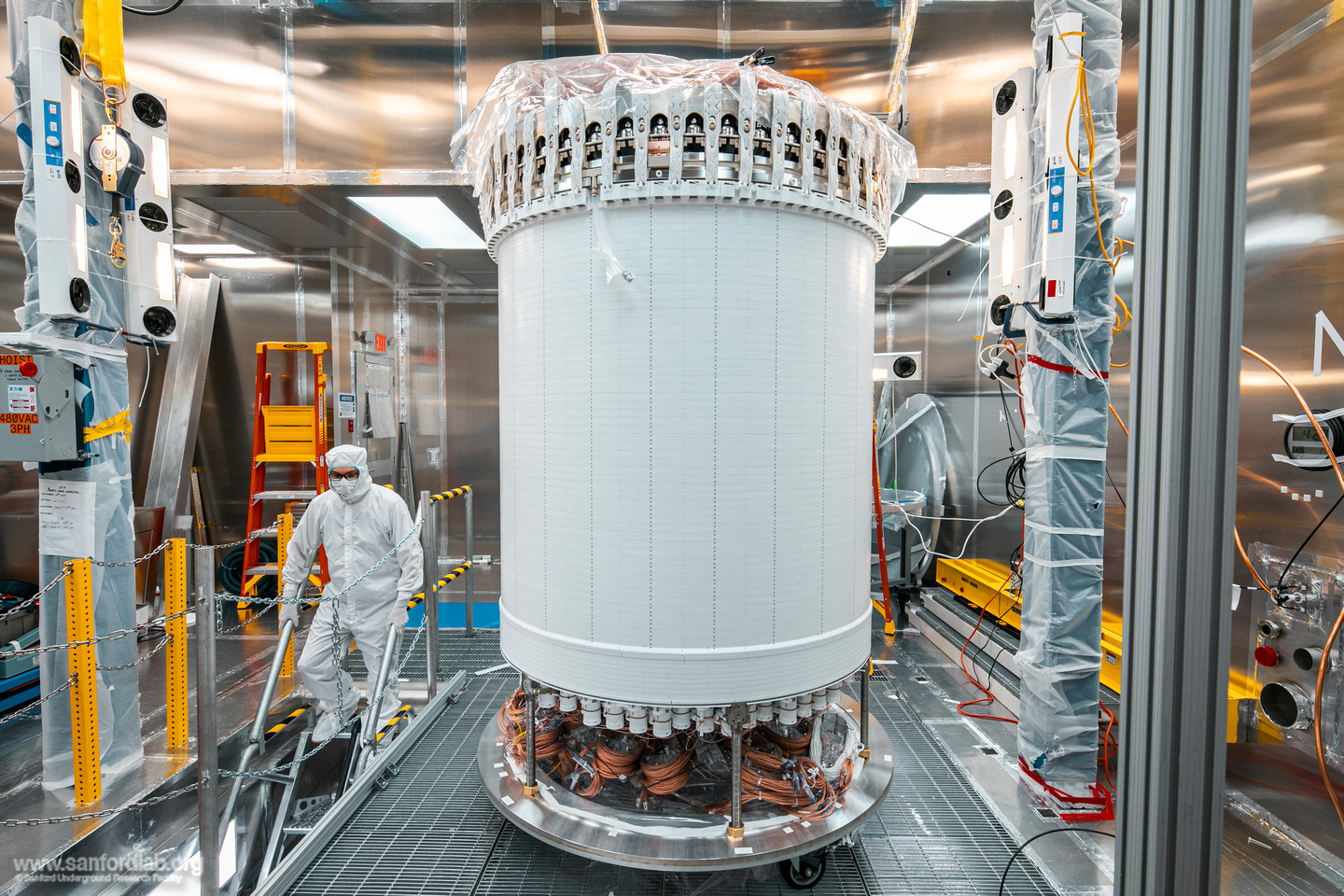
Image: Rsparks3 / Wikimedia Commons (CC0)