

€700 million for Alentejo roads and rail, and three years to spend it
Portugal's infrastructure company will invest the sum across Beja, Évora and Portalegre by the end of 2028. The announcement came at a roadside ceremony, not in a press release.
The Alentejo is the part of Portugal where you drive the furthest to do the least, and where the train, on several lines, is still a single railcar on a single track. Infraestruturas de Portugal said this week it will invest €700 million in the region by the end of 2028, split between roads and railways across the districts of Beja, Évora and Portalegre.
Infrastructure Secretary of State Hugo Espírito Santo made the announcement, and it did not arrive in a press release. It arrived at a ceremony, at the side of a new road.
What was actually delivered this week
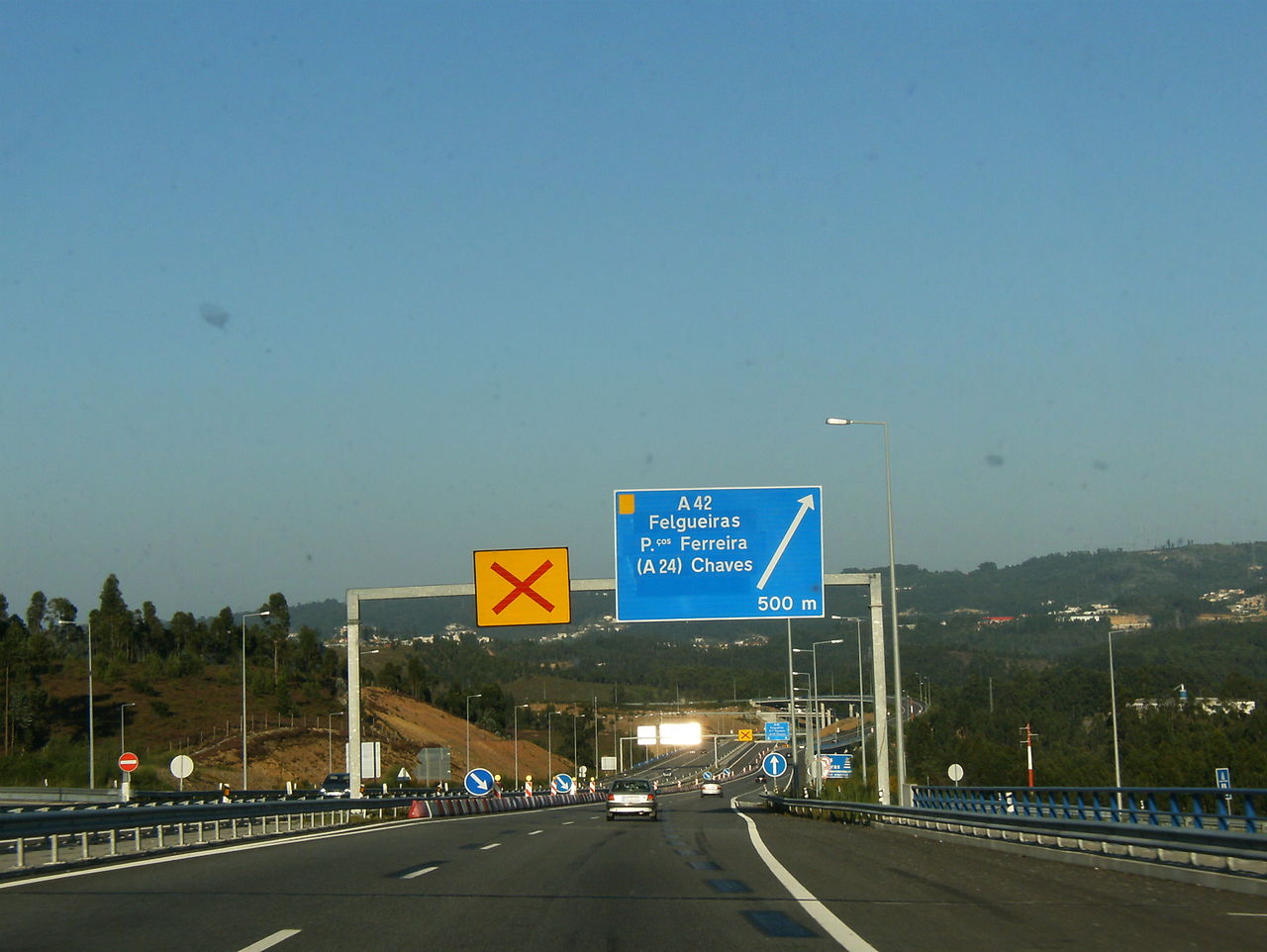
The ceremony marked the opening of the Évora eastern bypass on the IP2, which cost €54.9 million and is the largest project IP has completed with Recovery and Resilience Plan money. It runs 12.8 kilometres at motorway standard from the A6’s Évora east junction to the EN18, with three interchanges and eight overpasses, two of them crossing railway lines. We covered the opening in full this morning.
Évora city council reckons the bypass could take between 30% and 40% of car traffic out of the city, with the sharpest effect on the lorries that currently thread through residential streets to get around the historic centre.
What we still do not know
The €700 million is an envelope, not a list. No split between road and rail has been published, no scheme-by-scheme timetable, and no indication of how much will come from European funds now that the Recovery and Resilience Plan closed on 31 August — a closure whose final execution fell short of the headline figure.
For a region that has been losing people for decades, that distinction matters. A bypass fixes congestion, and Évora will feel it immediately. Modernising or electrifying the Linha do Alentejo changes how long it takes someone to reach Lisbon in the morning and get home at night, and that is what decides whether anyone stays living in Beja. There are three years to find out which of the two the money buys.
By Beatriz Mota
Image: Nuno Morão / Wikimedia Commons (CC BY-SA 2.0)