
Douro growers will be paid for the grapes they don't pick (and the fruit has to stay on the vine)
The resolution behind the 12-million-euro package caps the payment at 1,125 euros a hectare and ties it to the drop against each grower's five-year average. It also gives the Port wine institute until 31 December to design a fund that would make this kind of rescue unnecessary.
The Douro harvest is halfway through and some of the fruit has no buyer. The government’s answer is an emergency package worth 12 million euros, agreed in the Council of Ministers on 4 September and published five days later. The part almost nobody has picked up is how it works, because it is unusual: the money follows the grapes that stay where they are.
The resolution creating the scheme authorises the Douro and Port Wine Institute to spend up to 12 million euros, nine of them from the Agriculture and Sea budget line and three from a central Finance Ministry allocation, split across 2026 and 2027. It goes straight from the institute to the grower, with no winery or trader in between.
How the payment is worked out
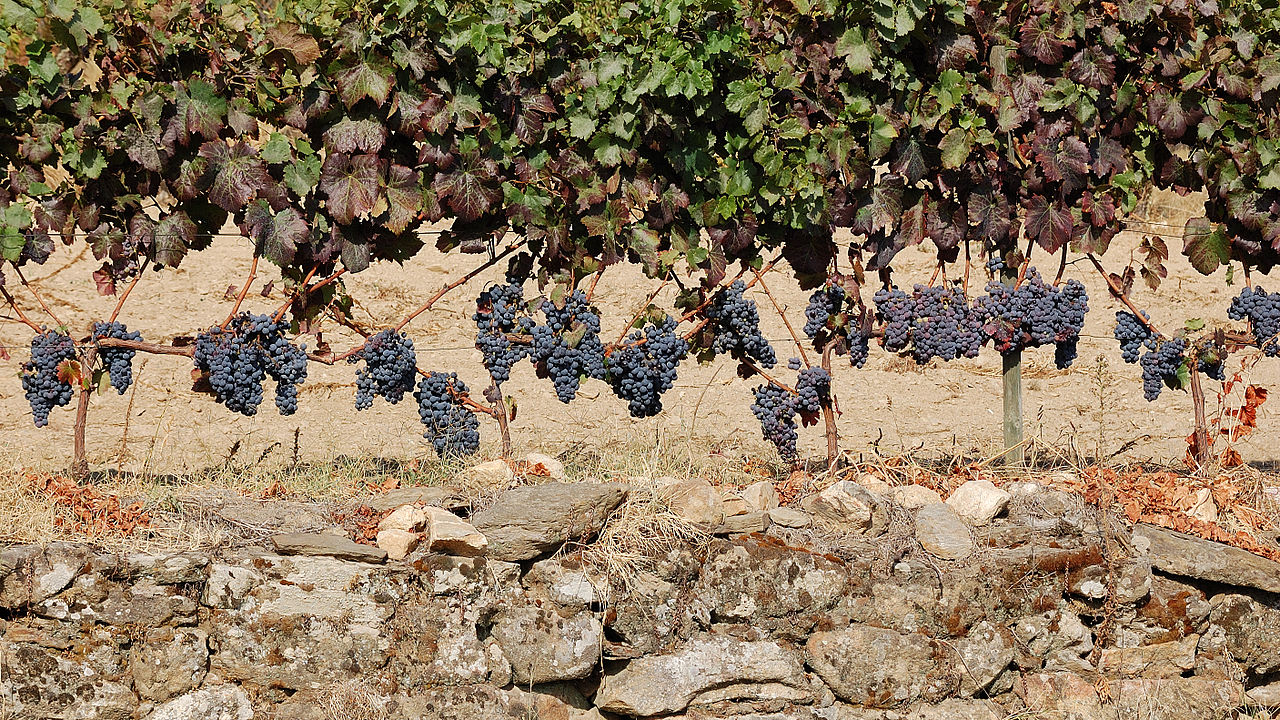
By subtraction. The baseline is the production each grower declares for 2026, set against their own average across the previous five campaigns. The bigger the shortfall, the bigger the payment, capped at 1,125 euros per hectare. Applicants have to name the specific plots, and then comes the part that sounds odd if you have never dealt with farm subsidies: the grapes must remain on the vine until the institute turns up to check. Payment lands in a single instalment once that inspection is done.
Think about it for a second and it holds together. A subsidy for grapes you failed to sell would be unverifiable. A subsidy for grapes visibly left hanging leaves its own evidence in the row. The cost is a human one, since somebody has to look at a loaded vineyard and walk away from it.
The deadline buried in the text
The same resolution asks the institute, after consulting the interprofessional council and the bodies representing growers and the trade, to deliver a proposal by 31 December 2026 for a Sustainability Fund covering the demarcated Douro region. The stated aim is a permanent, self-financing instrument to absorb surpluses and steady the market, so that emergency public interventions like this one stop being needed.
Put plainly, the state has just paid the bill and set the date by which it wants to stop paying it. That fits a year in which support for farming has been extended in short instalments, much like the ten-cent rebate on agricultural diesel, renewed through to December.
The ordinance carrying the access rules has been signed by the agriculture minister and sent for publication. That is the document that will fix the application window, and it is the one growers should watch for.
By Beatriz Mota
Image: Rosino / Wikimedia Commons (CC BY-SA 2.0)