

Every litre of diesel in Portugal carries 11.1 cents of a levy the EU court rejected in 2022
The Road Service Contribution was found incompatible with EU law in 2022, then folded into Portugal's fuel tax. It brought Infraestruturas de Portugal 710 million euros in 2025. The Finance Ministry says today's model is lawful.
Fill up anywhere in Portugal and a slice of the bill is earmarked for Infraestruturas de Portugal, the state company that runs the national road network. It works out at 8.7 cents on every litre of petrol, 11.1 cents on every litre of diesel and 12.3 cents on every kilogram of LPG. The original version of that charge was found to breach EU law four years ago.
Here is how that happened. In February 2022 the Court of Justice of the European Union ruled that the Road Service Contribution did not pursue a specific purpose within the meaning of the excise duties directive. The money went generically to the company managing the roads, and nothing in the way the charge was built suggested it was meant to discourage people from burning fuel. On that reasoning it was incompatible with the directive.
The charge did not go away. It was absorbed into the ISP, Portugal’s tax on petroleum and energy products, and the earmarking for the road company stayed exactly where it was.
What it adds up to
In 2025 that earmarked stream brought in 710 million euros, the highest since Infraestruturas de Portugal was created in 2015. Call it two million euros a day. The growth had nothing to do with a rate rise, because the rate has not moved in years. It came from drivers buying more fuel.
The company’s own accounts show the direction of travel. Its 2025 annual report records a 19 million euro increase in road service earmarking, inside operating revenue of 1,547 million and a net profit of 135 million, the best year the company has had.
The government’s answer
The Finance Ministry rejects the phrase illegal tax outright. Its position is that the way Portugal funds its road network complies with both European and Portuguese law, and that what drivers pay today is a component of a tax rather than the standalone contribution the court examined in 2022.
The legal argument is not finished either. Arbitration cases are still running over refunds of what was collected under the old design, brought mainly by fuel companies.
For anyone with a car, the practical effect is quiet and permanent. The weekly swings in pump prices rise and fall with Brent, but this slice does not move at all. It simply sits there, litre after litre, every time you fill up. We follow the barrel and the exchange rate in our markets tracker.
By Beatriz Mota
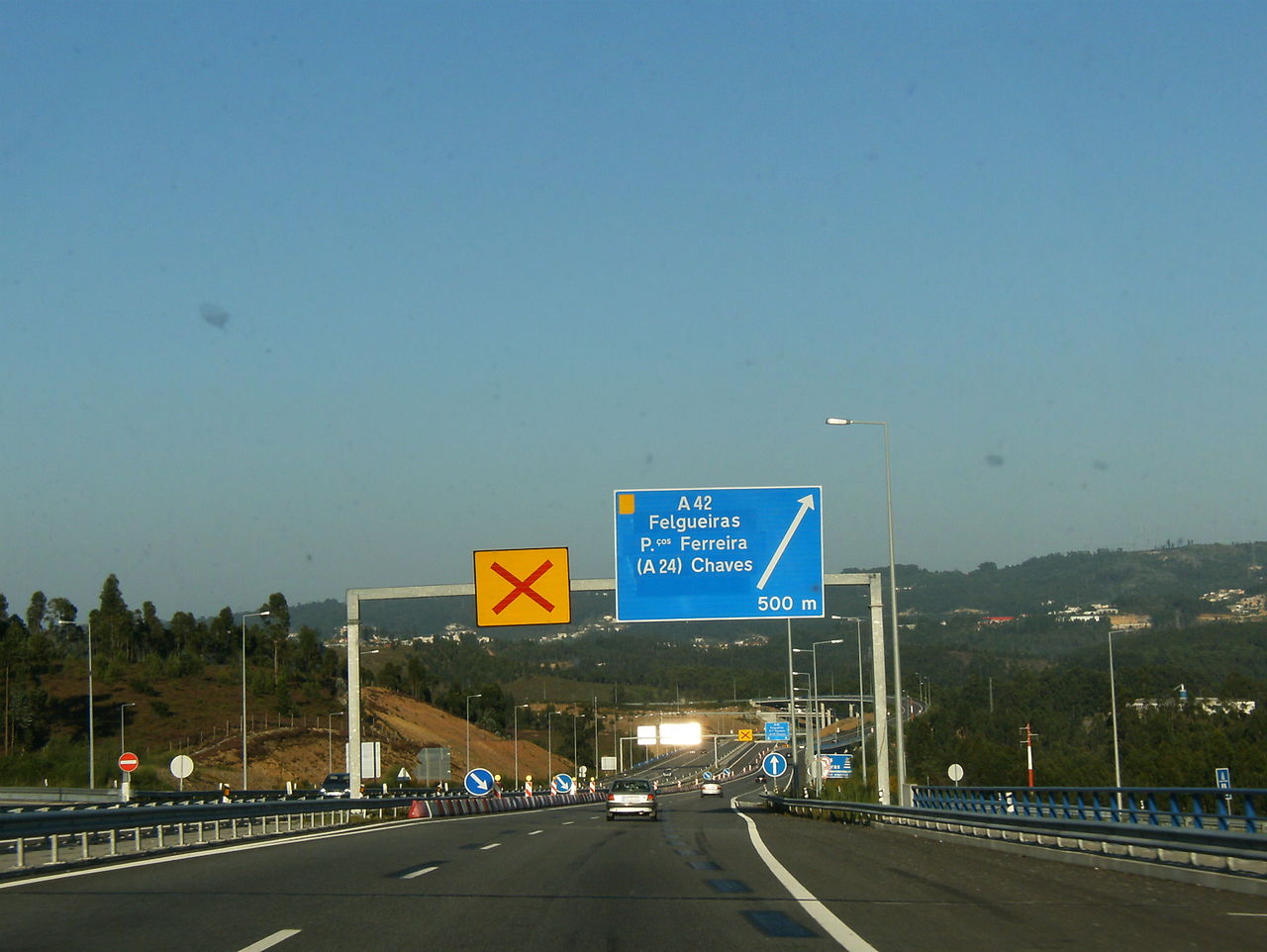
Image: Alexkom000 / Wikimedia Commons (CC BY 4.0)