
Luís Represas has died at 69, and Portugal lost a voice half the country can sing by heart
The Trovante founder and solo singer died on 22 July after a long illness. He was marking 50 years in music and had 2027 concerts booked.
Some voices need no introduction. Three seconds of radio and you know exactly who is singing. Luís Represas had one of those voices, and he died on Wednesday 22 July, aged 69, after a long illness.
Why did Luís Represas matter so much in Portuguese music?
Because he was in the right place while Portuguese music was working out what it wanted to be. He founded Trovante in the mid-1970s and became the face and the voice of a band that took protest song, close vocal harmony and folk and turned all of it into Portuguese pop people sang back in chorus. When Trovante wound up in the early 1990s, Represas did what very few manage: he started again from nothing as a solo artist and landed hits that stuck, from Feiticeira to Timor.
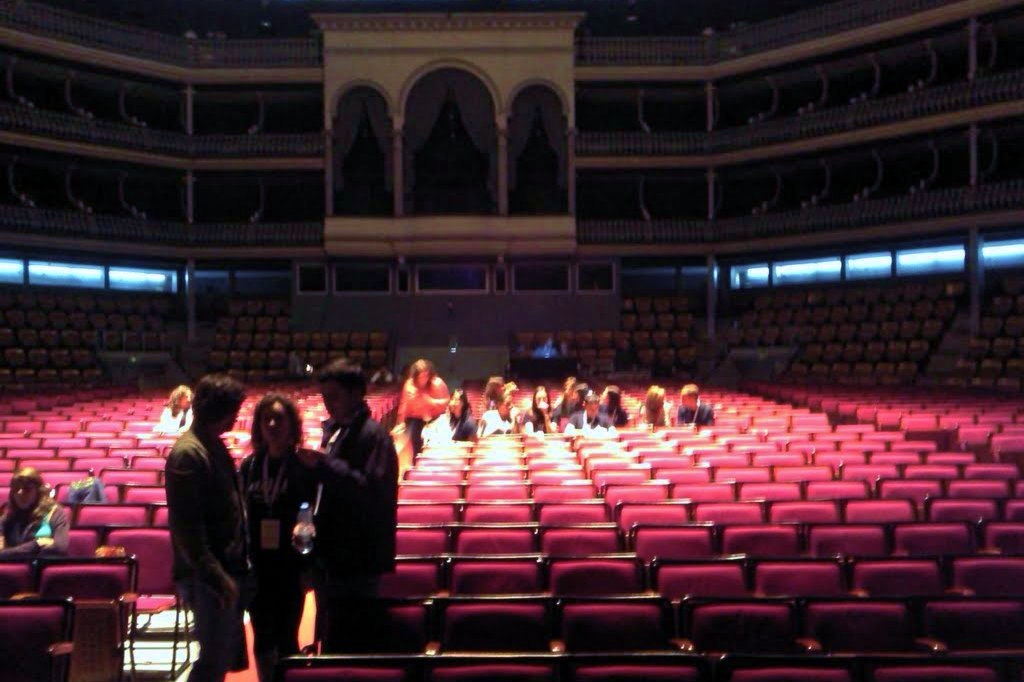
Across half a century he was also the quiet presence who turned up whenever he was needed, for causes, tributes and stages shared with musicians two generations younger. He was marking exactly 50 years in music and had dates booked at the Lisbon and Porto Coliseums for 2027, shows that will now never happen.
How did Portugal say goodbye?
The wake was held on Thursday at the Basílica da Estrela in Lisbon, and the funeral took place on Friday. Between Wednesday and Friday the country did what it always does at a moment like this: improvised radio playlists, messages from musicians of every generation, and a lot of people discovering they knew every word without ever having bought the record.
What remains is a catalogue that has aged remarkably well. The Trovante albums still sound current, and the solo songs long ago slipped into the shared repertoire sung at dinner tables, in cars and at village festas — the same country that fills festivals from north to south every August had been building a soundtrack with him without quite noticing.
Portuguese songwriters’ works and rights are administered by the Portuguese Society of Authors, where a career like this one is catalogued.
By Lucy Bennett
Image: Diogomedina / Wikimedia Commons (CC0)