

The ICC has removed Karim Khan as chief prosecutor, something it had never done before
ICC member states voted to remove chief prosecutor Karim Khan after findings of serious misconduct, which he denies. It is the first time the court has ousted the person leading its prosecutions.
The International Criminal Court has spent 24 years judging heads of state and had never had to settle a problem this big inside its own walls. It settled this one with a vote: Karim Khan is no longer chief prosecutor.
Why was Karim Khan removed?
The Assembly of States Parties, where the court’s 125 member states sit, concluded that he had committed serious misconduct and a serious breach of duty, following harassment allegations brought by a female member of staff who worked with him. The case had dragged on for nearly two years, and Khan, a British barrister, has denied the allegations throughout — he denies them still.
The vote was not close: 82 states in favour of removal, 13 against and 15 abstentions. That cleared the required majority and wrote a first page in the court’s history, which had never before pushed out the person running its prosecutions.
What happens to the ICC’s cases now?
They carry on. The office keeps working under the deputy prosecutors while member states sort out the succession, and the open investigations — from war crimes in Ukraine to the situation in Gaza — stay on the table. What takes the damage is something else: the moral authority of a court whose work depends entirely on countries agreeing to respect its decisions.
Portugal has been a party to the Rome Statute since 2002 and usually sits with the group of states pushing to strengthen the court, especially when big powers turn their backs on it. That matters here, because an ICC in visible internal crisis hands ammunition to governments looking for the exit — Niger announced it was leaving the court and others have made similar noises.
There is also an uncomfortable question for the court’s own supporters. An institution built to hold the powerful to account took two years to hold itself to account. Whoever ends up leading the prosecution in The Hague will have to show the house is in order before demanding the same of anyone else. Case files, rulings and the make-up of the office are published on the court’s official site.
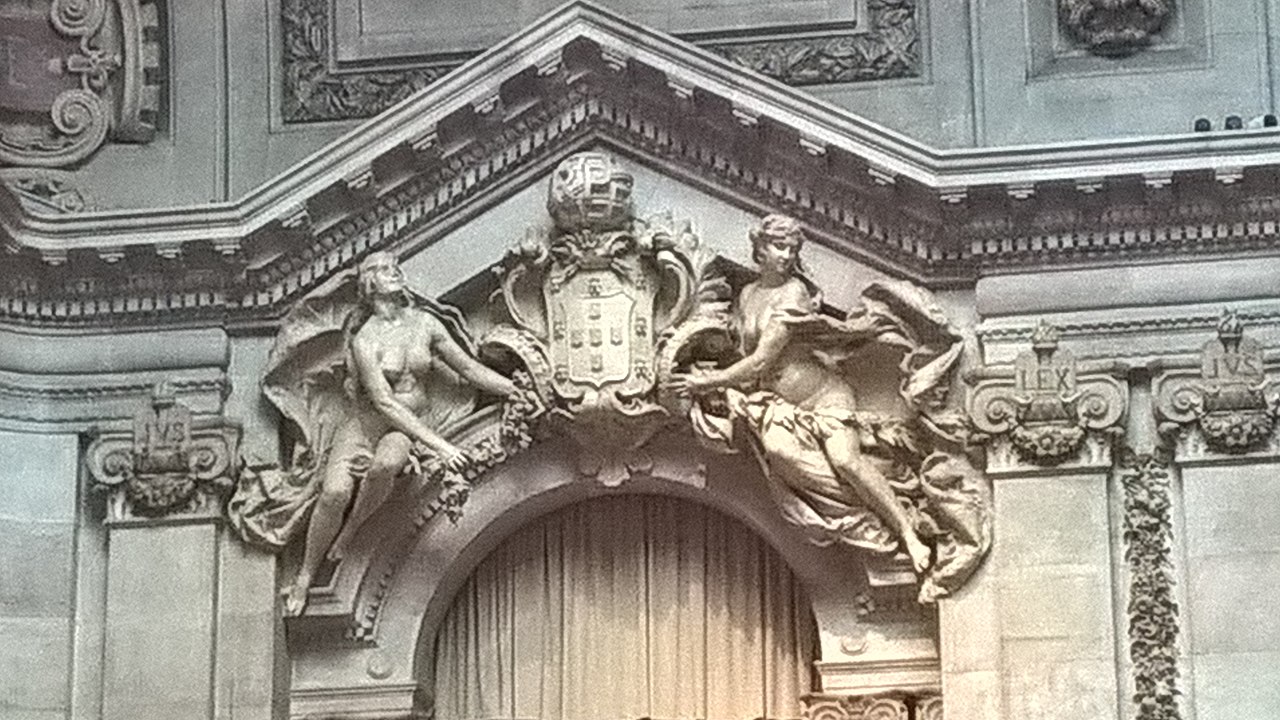
Image: OSeveno / Wikimedia Commons (CC BY-SA 3.0)