

Portugal has just put a carbon price on the fuel in your tank and the gas in your boiler
Decree-Law 182/2026, published on Thursday, sets up CELE 2 — the EU's second carbon market — for fuels burned in buildings and road transport. Fuel suppliers buy the allowances, there are no free ones, and the system is only fully running in 2028.
Thursday’s Diário da República carried the law that brings the European Union’s second carbon market into Portuguese law. Decree-Law 182/2026 partly transposes the 2023 EU directive that created CELE 2, and it reaches a set of emissions that had largely sat outside the existing scheme: the fuels burned in buildings, in road transport and in a handful of other sectors.
The Council of Ministers approved the text on 9 July. The President signed it at the start of September. It is now on the books.
The bill goes upstream, not to the driver
This is the part that gets misread. CELE 2 regulates the top of the chain. The obliged entities are the ones that release fuel for consumption — the companies putting diesel, petrol and gas onto the Portuguese market. They are the ones that will have to monitor the emissions, report them, and surrender enough allowances to cover them. A driver fills in nothing. Nor does a household heating a flat with gas.
What the new scheme does not have is the older market’s cushion. There is no free allocation at all for the entities covered: every allowance is bought at auction. The overall cap has been set to cut these sectors’ emissions by 42% by 2030 against 2005 levels, according to the European Commission, which runs the system. Full operation arrives in 2028.
Costs bought at auction rarely stay where they start. That is the stated point of the thing: a price signal meant to push investment towards low- and zero-emission alternatives. A price signal only does its job if somebody feels it.
The revenue has to come back, and there is a plan to prove it
Member States are obliged to spend CELE 2 revenue on climate action and social measures, and to report how they did it. A slice goes to the Social Climate Fund, set up alongside the market precisely to soften the blow for vulnerable households and micro-businesses — building energy efficiency, clean heating and cooling, access to low- and zero-emission vehicles, walking and cycling.
The fund is financed by CELE 2 auction revenue plus 50 million allowances taken from the existing EU carbon market. With 25% national co-financing on top, the Commission expects it to mobilise at least €86.7 billion across the Union between 2026 and 2032. To draw on it, each country has to file a Social Climate Plan setting out what it will actually spend the money on.
The timing is hard to miss. This week the government extended the 10-cent support for agricultural diesel through to December, a rebate that only pays out in the weeks prices climb — and it has now signed the law that will put a carbon price on the same litre before the decade is out. The same hand, easing and loading, three years apart.
What no decree-law can write down is the number everyone will want: what the allowances clear at, and how much of that reaches the pump and the gas bill. That gets settled at auction, and the auctions only run properly from 2028. Until then the argument in Portugal will be about where the incoming money lands — a conversation already under way on other fronts, including the national energy storage strategy.
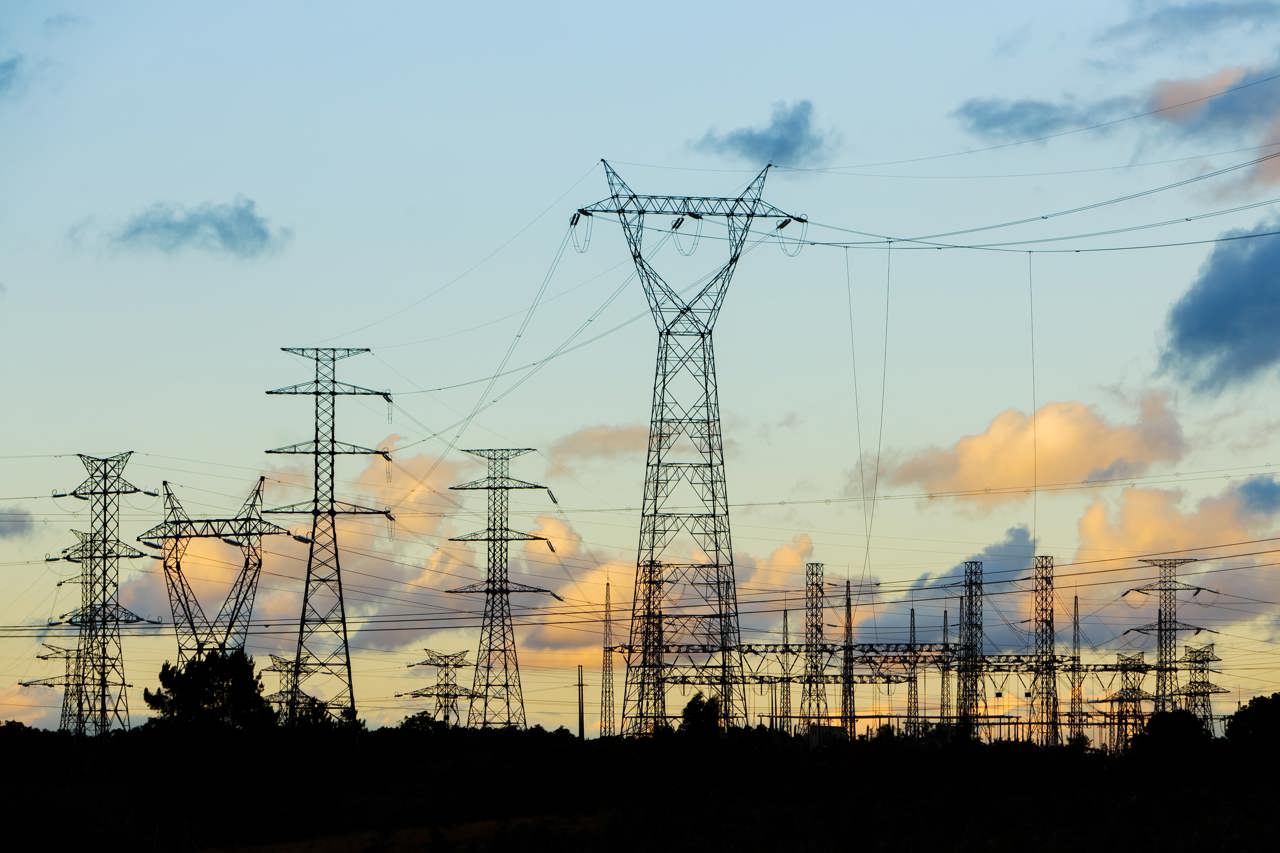
Photo: Kolforn / Wikimedia Commons (CC BY-SA 4.0)